6 days ago
Glacial Collapse, Not Earthquake, Blamed for Nepal-Tibet Floods
A huge amount of ice and rock fell in the mountains near Nepal and Tibet.
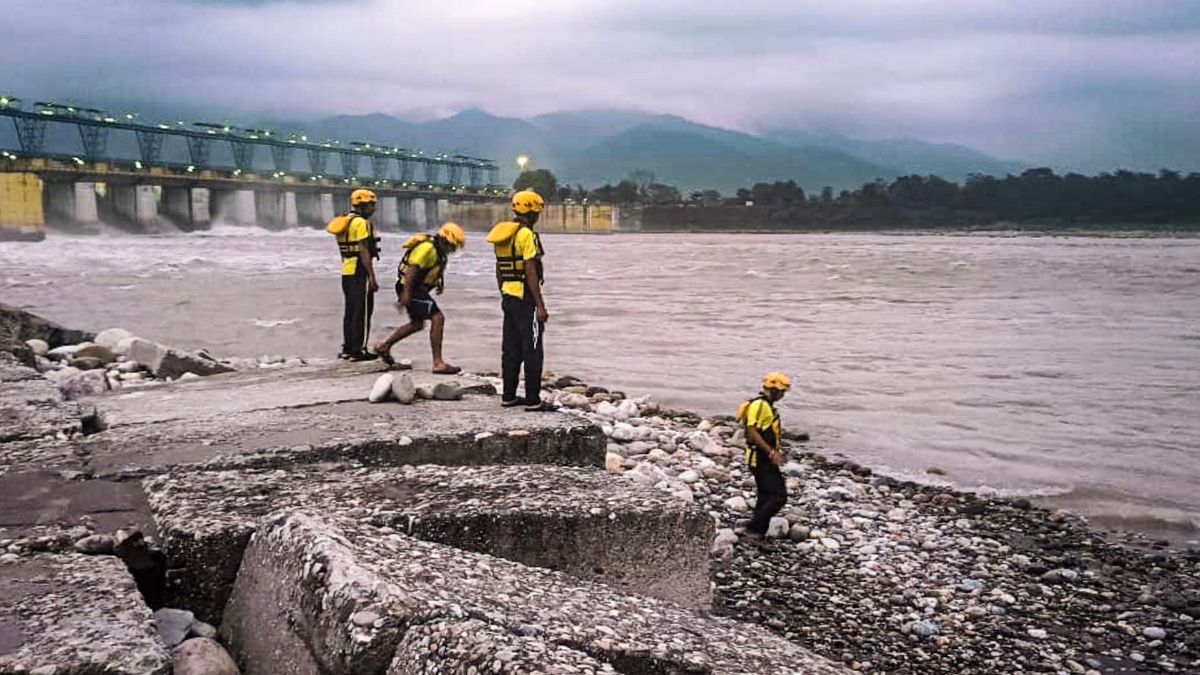
This caused a river to overflow very quickly.
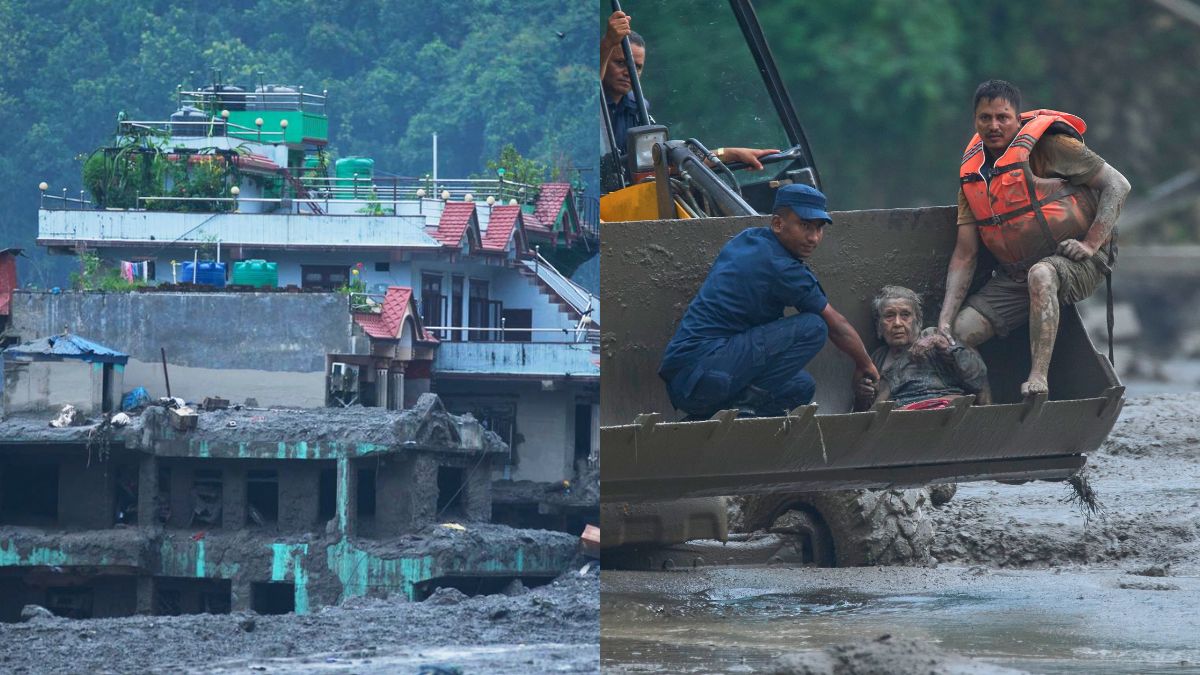
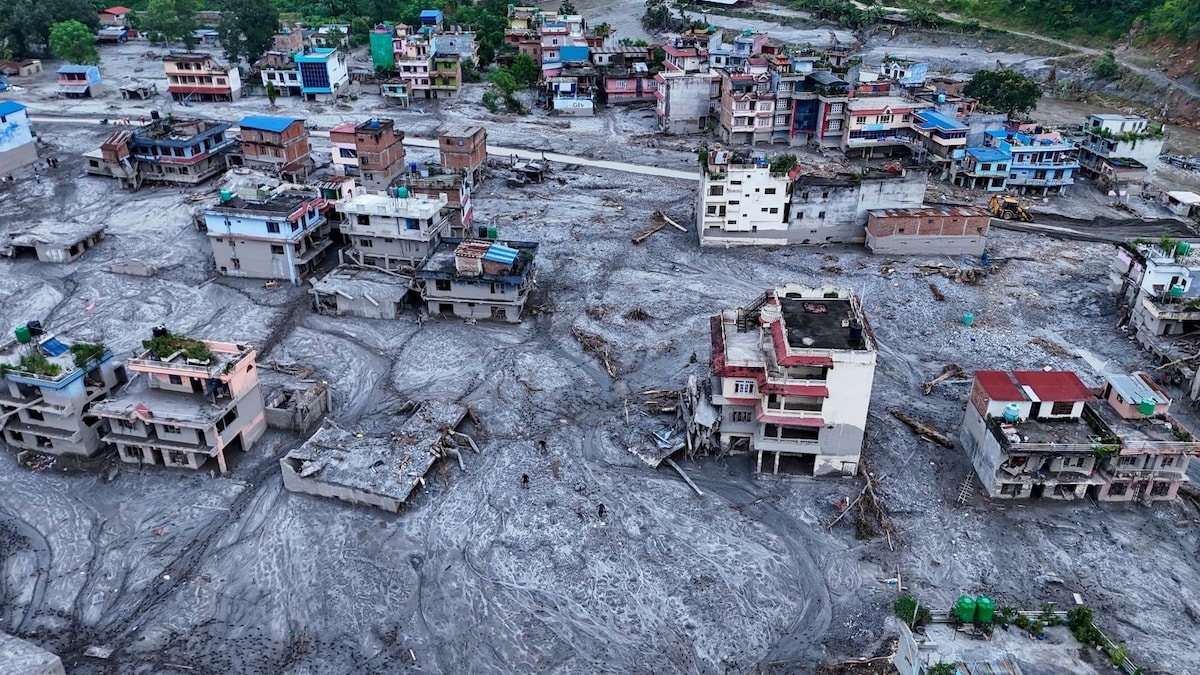
The rushing water and mud damaged villages, roads, and power projects.
At first, officials thought an earthquake might have started the disaster.
The United States Geological Survey later said the shaking came from the ice collapse and debris flow instead.
Many people were killed, and many others are still missing.
Some missing people were foreign visitors traveling to Kailash Mansarovar.
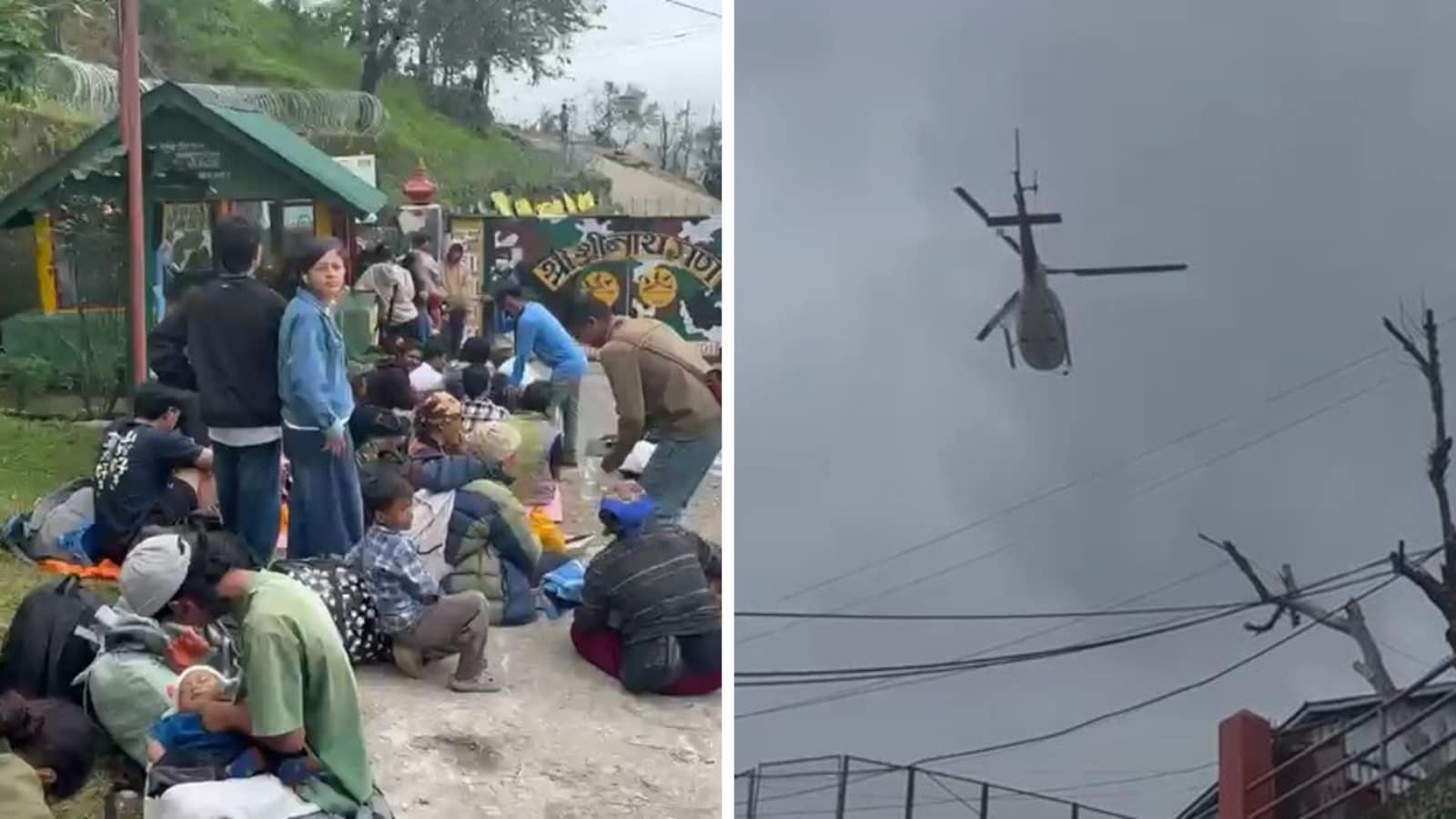
India evacuated people nearby and sent food, medicine, and other emergency supplies.

Reports give conflicting tolls, ranging from at least 165 to 273 deaths.
Nearly 1,500 people were reported missing, including hundreds of foreigners and pilgrims.
The United States Geological Survey said a glacial collapse produced the seismic signal.
An ice-and-rock avalanche reportedly flooded the Lhende Khola River and struck communities downstream.
India evacuated about 5,000 people and sent relief supplies while monitoring border districts.
- Who
- People in Nepal, Tibet, and downstream India were affected; Nepalese authorities, the United States Geological Survey, and rescue agencies responded.
- What
- An ice-and-rock avalanche and debris flow caused devastating flash floods, with conflicting reports of at least 165 or 273 deaths and nearly 1,500 people missing.
- Where
- The flooding began near the Nepal-China border, affected the Lhende Khola River and Gyirong port, and threatened downstream Indian areas including Bihar.
- When
- The disaster occurred on Wednesday; the United States Geological Survey issued its updated assessment on August 26 at 6:44 pm UTC, and India sent additional aid on Thursday.
- Why
- The United States Geological Survey and Nepalese disaster officials attributed the flooding to a glacial collapse or ice-and-rock avalanche rather than an earthquake.
Earthquake Explanation
Glacial Collapse Explanation
What triggered the disaster?
Earthquake Explanation
Initial comments from Nepal’s foreign minister suggested that an earthquake in the mountainous area may have caused a landslide and the flash floods.
Glacial Collapse Explanation
The United States Geological Survey said the reported seismic event was actually produced by a glacial collapse and debris flow, while Nepal’s disaster management cited an ice-and-rock avalanche.
Interpretation of the seismic signal
Earthquake Explanation
Nepal initially treated the reported shaking as evidence that an earthquake preceded the landslide.
Glacial Collapse Explanation
The United States Geological Survey updated its assessment, identifying a magnitude 5.2 event but determining that it was generated by the collapse and flowing debris rather than tectonic activity.
Key facts
- Reported death toll
- The article gives conflicting figures: at least 273 in its introduction and at least 165 in a later estimate.
- People missing
- Nearly 1,500 people were reported missing, with estimates of roughly 750 to 800 foreigners.
- Initial earthquake report
- Nepal’s foreign minister initially said an earthquake was reported shortly before a landslide.
- Updated scientific assessment
- The United States Geological Survey said the magnitude 5.2 seismic event was generated by a glacial collapse and debris flow.
- Flood trigger
- Nepal’s disaster management cited satellite imagery indicating an ice-and-rock avalanche entered the Lhende Khola River.
- Indian evacuation
- About 5,000 people were evacuated in Bihar, downstream from Nepal.
- Indian relief aid
- India sent a second consignment of 37.5 tonnes of supplies after an initial 10-tonne delivery.
Quotes
Narendra Singh Bundela
Inspector General of India’s National Disaster Response Force
“The State Government is already monitoring this. As of now, there has been no adverse impact. The CWC (Central Water Commission) is also monitoring the water level discharge. After reviewing the situation, the State Government has made additional deployments and diverted state resources. The District Magistrate has already taken action at the field level and completed sensitisation. So, this is currently being monitored to see what further possibility of flooding there might be.”
 financialexpress.com
“The border districts–such as Kushinagar and West Champaran–which could be affected initially, are also already being monitored. For that, we have reserve teams on standby. If anything like this happens, in coordination with the State Government, they will be deployed immediately.”
financialexpress.com
Sources
Related news
Himalayan Flash Floods Leave Nearly 1,500 Missing Across Nepal, Tibet

Nepal Flash Flood Kills 162 as Missing Counts Diverge

USGS Confirms Glacial Collapse Caused Deadly Nepal Flash Floods

Ice-Rock Landslide Triggers Catastrophic Floods Along Nepal-Tibet Border
China, Nepal Link Glacier Collapse to Deadly Border Floods
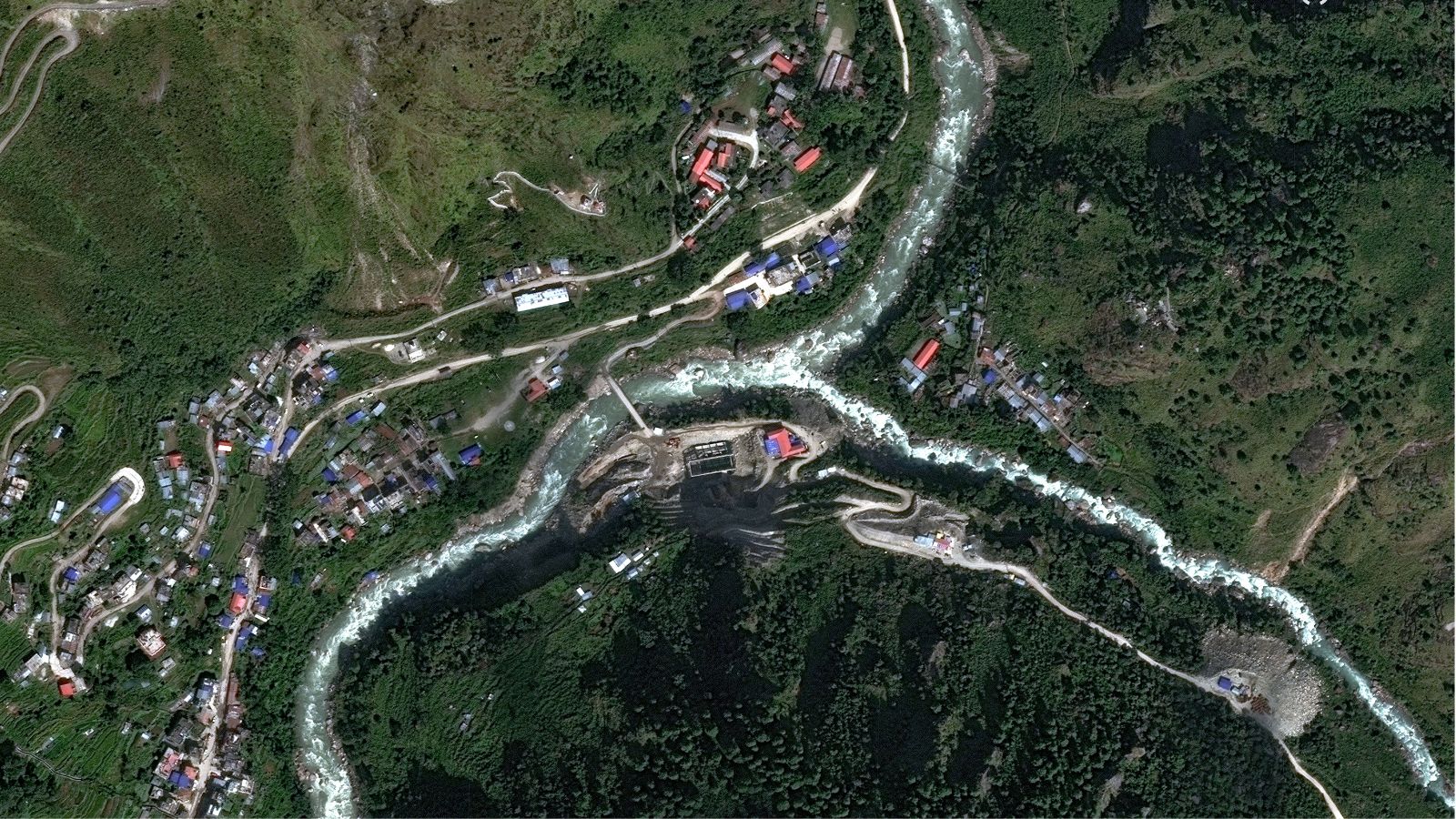
Himalayan Flood Leaves Hundreds Dead, Thousands Missing Across Nepal, China

Nepal Thanks India as Glacial Disaster Rescue Efforts Continue
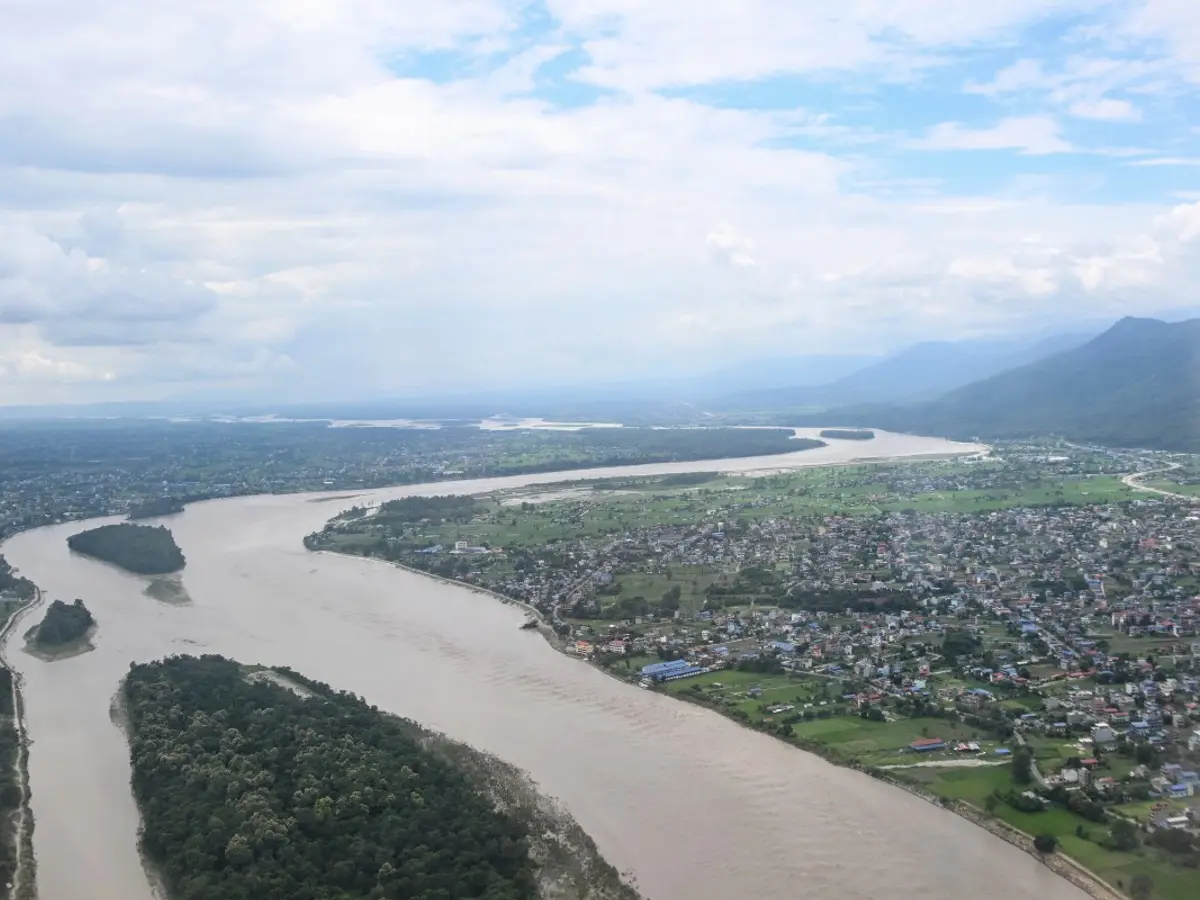
Nepal Warns of Heavy Rain After Deadly Floods
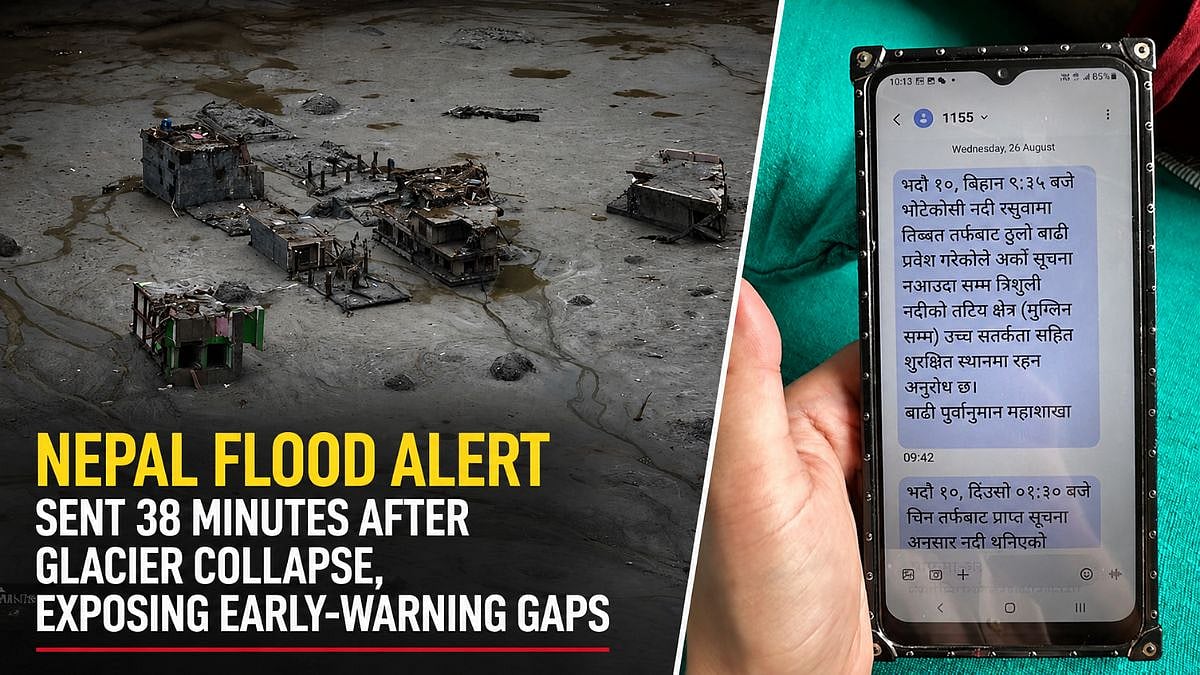
Nepal Flood Exposes Delayed Alerts and Cross-Border Warning Gaps
Bhotekoshi Flood Crisis: Nepal PM Shah Calls for Courage

Nepal PM Thanks India, China Amid Climate Compensation Demand