3 weeks ago
India questions Meta's intermediary status over recommendation systems
The government of India is asking a big question about a huge social media company called Meta, which owns Facebook and Instagram.
Normally, websites like Meta are called 'intermediaries,' which means they just host what people post.
Intermediaries get special legal protection, so they are not blamed for bad things people share.
But the government says Meta does more than just host — it decides which posts you see and even shows content that people paid to promote.
If Meta is choosing what people see, the government says it is acting more like a publisher.
Publishers have to take responsibility for the content they show.
The government is also worried about deepfakes — fake videos made with AI — and other harmful content that keeps coming back even after it is flagged.
Meta leaders said sorry for briefly removing a post by India's Prime Minister Narendra Modi.
Meta says it is working hard to fix these problems, and the government will keep talking with them.

India's government is examining whether Meta's recommendation systems and paid content promotion fit its legal status as an 'intermediary' under the Information Technology Act or make it a publisher.
Government sources say a platform that decides 'what content is shown to whom' amounts to publishing, meaning it must take responsibility for its actions.
The scrutiny follows Meta's apology over the temporary restriction of Prime Minister Narendra Modi's Facebook post and concerns about deepfakes, child sexual abuse material and unlabelled synthetic content.
Meta's global affairs head Joel Kaplan met IT Minister Ashwini Vaishnaw and IT Secretary S Krishnan on Wednesday and Thursday, with technical discussions on Friday.
The government asked Meta to strengthen human oversight of content moderation and improve understanding of Indian languages; another meeting is expected next week.
- Who
- The Indian government, including IT Minister Ashwini Vaishnaw and IT Secretary S Krishnan, and Meta, represented by its global affairs head Joel Kaplan.
- What
- The government is examining whether Meta's recommendation systems and paid content promotion make it a publisher rather than an intermediary under the Information Technology Act, which would affect its legal protections.
- Where
- India (New Delhi)
- When
- This week, with meetings on Wednesday and Thursday and technical discussions on Friday; another meeting is expected next week (reported August 8, 2026).
- Why
- To determine whether Meta complies with Indian laws, including due diligence obligations under Section 79 of the IT Act, and to address deepfakes, child sexual abuse material and unlabelled synthetic content.
Government view
Meta view
Intermediary vs publisher status
Government view
Meta's recommendation systems decide 'what content is shown to whom' and promote content for payment, which amounts to publishing, so Meta must take responsibility for its actions.
Meta view
Meta claims intermediary status under the IT Act, which grants safe harbour for third-party content; it admitted there were 'serious issues' and assured the government it will take continuous action to resolve them.
Who made the apology
Government view
Government sources say the apology over restricting PM Modi's post came from Meta CEO Mark Zuckerberg.
Meta view
Joel Kaplan said in a written statement that he 'apologised to the minister on behalf of Meta for the error restricting PM Modi's post.'
Key facts
- Legal question
- Whether Meta's recommendation systems and paid content promotion fit its intermediary status under the Information Technology Act or make it a publisher
- Relevant law
- Section 79 of the Information Technology Act, read with IT Rules 2021, granting intermediaries 'safe harbour' from liability subject to due diligence
- Meta delegation led by
- Joel Kaplan, Meta's global affairs head
- Government officials
- IT Minister Ashwini Vaishnaw and IT Secretary S Krishnan
- Trigger
- Temporary restriction of PM Narendra Modi's Facebook post; concerns over deepfakes, child sexual abuse material and unlabelled synthetic content
- Apology
- Meta apologised for restricting Modi's post; Kaplan said he apologised on Meta's behalf, while government sources said the apology came from CEO Mark Zuckerberg
- Government demands
- Greater human oversight in content moderation; enhanced awareness and understanding of Indian languages and local nuances
- Next steps
- Government to review outcomes before deciding whether to seek legal opinion; another meeting expected next week
Quotes
Sources quoted to PTI
Indian government officials discussing Meta’s role
“If Meta, other platforms decide what content is shown, it's akin to 'publishing'; they must take responsibility for actions.”
 livemint.com
“"working hard" to address concerns around deepfakes, child sexual abuse material, bots and synthetic content”
 deccanchronicle.com
Meta global affairs head Joel Kaplan
Head of Meta’s global affairs
“"working hard" to address issues involving deepfakes, child sexual abuse material, bots and synthetic content”
 telegraphindia.com
“"I apologised to the minister on behalf of Meta for the error restricting PM Modi's post"”
telegraphindia.com
 thehindubusinessline.com
Sources

Is Meta an ‘intermediary’ or publisher under IT rule? Govt questions its ‘what is shown to whom’ systems, paid content
Meta’s ‘what to show whom’ system under govt scrutiny over IT Act intermediary status
Govt Examines If Meta’s Recommendation System Qualifies for Intermediary Status

Govt examines if Meta recommendation system deciding what-to-show-to-whom fits intermediary status
Related news
Meta-India Talks Over Algorithms, Safe Harbour and Deepfakes

Centre-Meta Meeting This Week to Assess Talks Progress
Govt, Meta hold fresh talks on algorithms, content moderation

Could India revoke Meta's safe harbour protection amid Modi row
Zuckerberg Apologises to India Over CSAM and Deepfakes on Meta
Meta Apologizes as India Investigates Child Abuse Ads
India's New Smartphone Scheme Faces Consumer Product Test
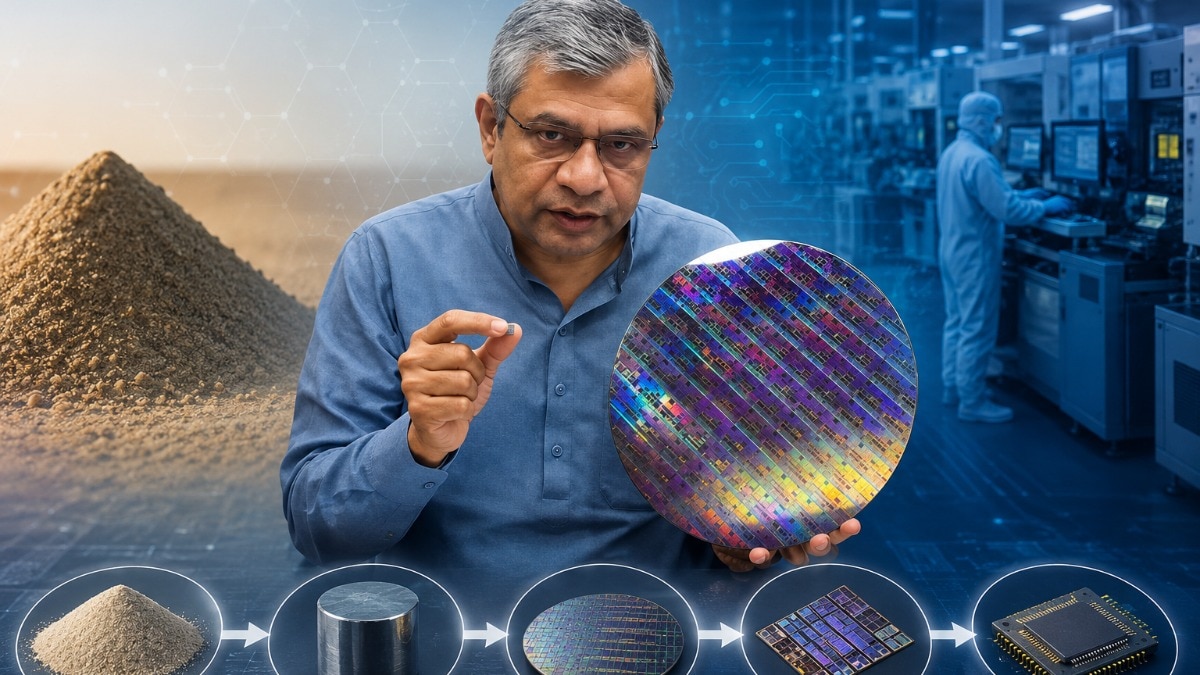
Vaishnaw Explains India’s Journey From Sand to Semiconductor Chips
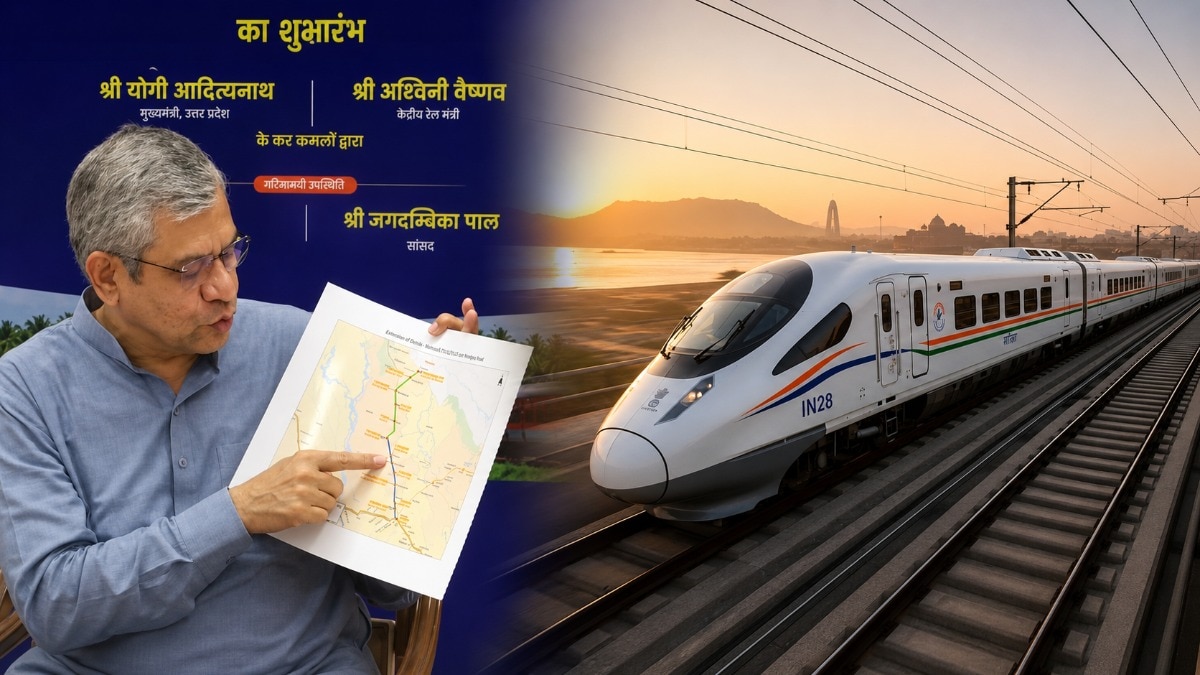
Proposed Bullet Train Could Cut Delhi-Patna Travel Time

Adityanath Accuses Previous Governments of Hiding Encephalitis Deaths
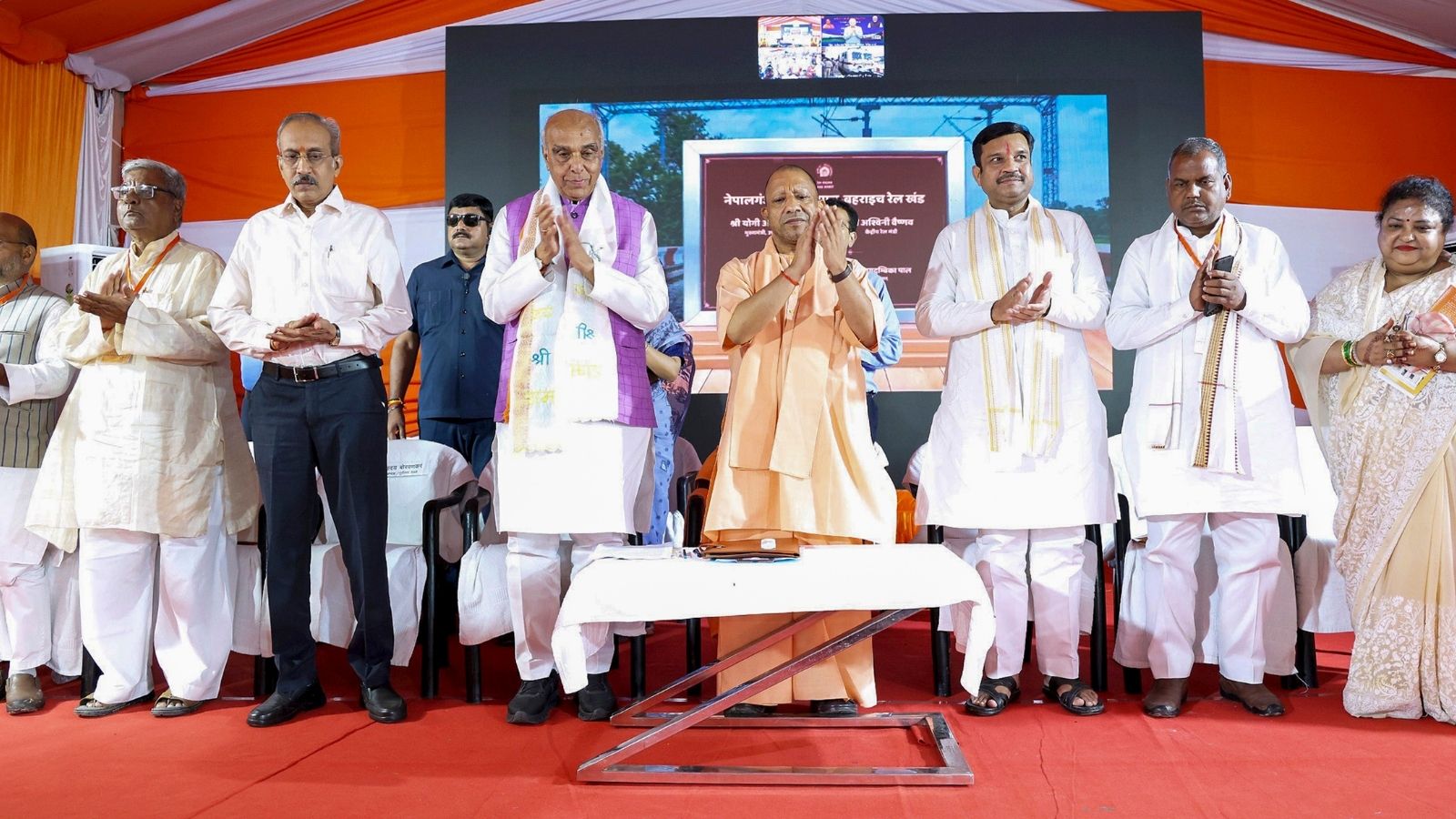
Upgraded Nepalganj Road-Bahraich Rail Section Inaugurated in Uttar Pradesh