3 weeks ago
Meta-India Talks Over Algorithms, Safe Harbour and Deepfakes
Meta is a big technology company that runs apps like Facebook and Instagram.
In India, the government makes rules about how these apps should handle bad or harmful posts.
Right now, the government and Meta are talking about these rules.
The government says that when Meta's computer systems choose which posts to show people, Meta is acting like a publisher of news or books, so it should take responsibility.
Some experts say that is not correct, because the law was made for companies that just carry other people's messages like a pipe carries water.
The government also wants real people, who know Indian languages and Indian politics, to check posts before automatic computer systems remove them.
It wants fake videos, called deepfakes, to be clearly labelled so people know they are fake.
The government wants bad content to be removed very quickly, within three hours.
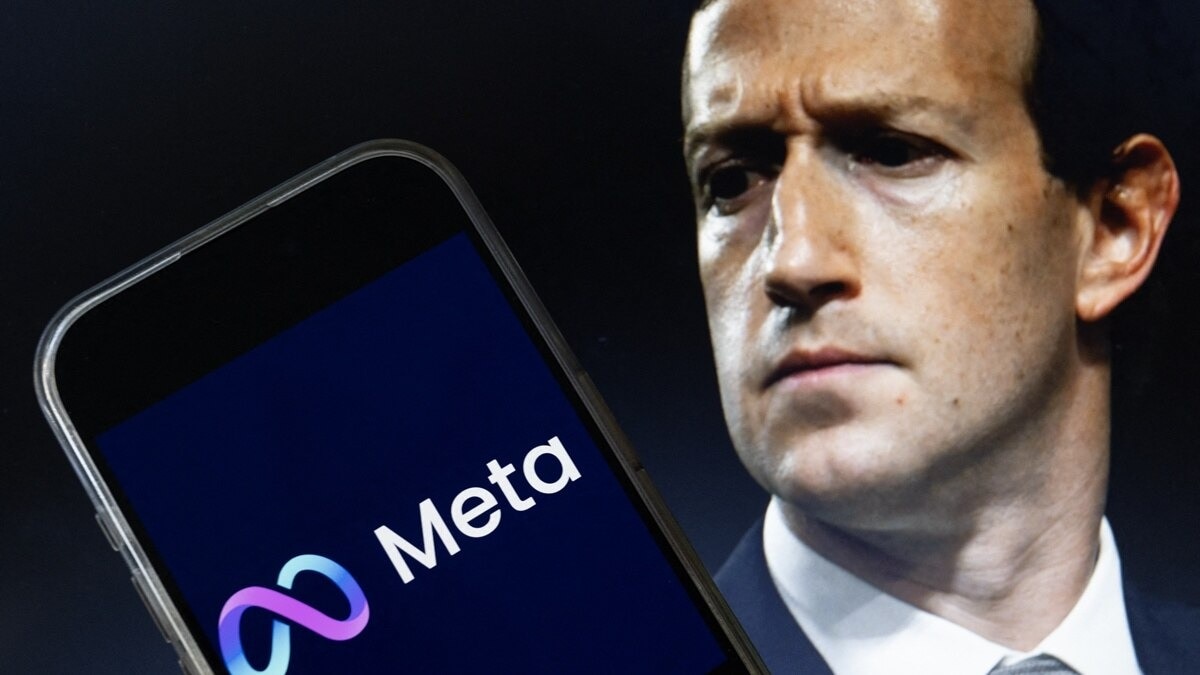
Meta said sorry after its systems made a mistake with a post by India's Prime Minister, Narendra Modi.
The two sides will keep talking to find an agreement.

Meta is in its second week of talks with the Indian government over intermediary (safe-harbour) status, content moderation, algorithmic recommendations and deepfake labelling.
The government argues that platforms which decide what content is shown could resemble publishing, while experts say automated recommendations are not the same as a human choice to select a receiver of content.
The government has sought stronger human intervention in moderation, with reviewers who understand Indian languages, polity and local context, including two-person review for content involving prominent public figures.
The government is pressing for broader deepfake labelling and compliance with the three-hour takedown timeline for specified unlawful content introduced by the February 2026 amendments to the IT Rules.
Meta's chief global affairs officer, Joel Kaplan, apologised for an error that restricted a post by Prime Minister Narendra Modi, and further talks will continue with Meta's India and technical teams.
- Who
- Meta and India's Ministry of Electronics and Information Technology (MeitY), with digital rights experts such as Apar Gupta and Jyoti Panday offering analysis.
- What
- Negotiations over Meta's intermediary (safe-harbour) status, human content moderation, deepfake labelling and the three-hour takedown rule.
- Where
- India.
- When
- Second week of talks, after two leadership-level meetings; the amended IT Rules on synthetic content took effect on February 20, 2026.
- Why
- The government wants global platforms to respect Indian law and the constitutional framework, particularly regarding unlawful, manipulated and rapidly spreading content.
Government of India
Meta and digital rights experts
Recommendation algorithms and safe harbour
Government of India
When platforms decide what content is shown to users, it resembles publishing, so Meta may lose intermediary immunity; recommendation engines and paid-content systems create responsibilities beyond hosting.
Meta and digital rights experts
Section 79(2)(b) contemplates a directed human choice, not automated ranking; treating algorithms as content selection would strip search results, spam filters, app stores and streaming of immunity. Losing Section 79 would expose Meta to ordinary liability, not make it a publisher.
Human review in content moderation
Government of India
Automated systems cannot grasp nuances in Indian languages, politics and local context, so human checks are necessary, including two reviewers for content about prominent figures.
Meta and digital rights experts
The IT Rules permit only partial human oversight; nothing mandates human review of each automated decision, and MeitY has no power to demand ranking weights or source code.
Deepfake labelling and three-hour takedowns
Government of India
Deepfakes spread rapidly and threaten public order, political discourse and trust, so broad labelling and three-hour takedowns of specified unlawful content are necessary.
Meta and digital rights experts
Deepfake labelling rules raise compelled-speech and unreliable-detection-tool concerns, and the three-hour takedown timeline conflicts with free speech, due process and the demand for human review.
Key facts
- Companies involved
- Meta, in talks with the Government of India's Ministry of Electronics and IT (MeitY)
- Talks status
- Second week; two leadership-level meetings held; next phase handled by Meta's India and technical teams
- Core legal issue
- Safe-harbour (intermediary) protection under Section 79 of the Information Technology Act
- Takedown timeline
- Three hours for specified unlawful content under the amended IT Rules framework
- Deepfake rules
- February 2026 IT Rules amendments require prominent labelling of synthetic content with permanent provenance metadata (notified Feb 10, effective Feb 20)
- Human review demand
- Reviewers fluent in Indian languages and politics; two-person review for content involving prominent public figures
- Meta's response
- Joel Kaplan apologised for restricting PM Modi's post; Meta committed to greater due diligence on unlawful content
- Expert concerns
- Internet Freedom Foundation flagged compelled speech and unreliable detection tools; Gupta says nothing mandates human review of each automated decision
Quotes
Government officials
Unnamed officials familiar with the matter
“"If platforms decide what content is shown, it is akin to publishing and they must take responsibility for their actions,"”
 NDTV
NDTV
“"I apologised to the minister on behalf of Meta for the error restricting PM Modi's post,"”
NDTV

Apar Gupta
Founder of the Internet Freedom Foundation, digital rights advocate
“"No. Section 79(2)(b) speaks to selecting the receiver of a transmission. That contemplates a directed, human choice,"”
NDTV
Sources
Related news
India questions Meta's intermediary status over recommendation systems
Govt, Meta hold fresh talks on algorithms, content moderation

Could India revoke Meta's safe harbour protection amid Modi row

Meta Must Follow Indian Law, Not Just Global Rules: Govt
Meta Apologises to India for Restricting PM Modi's Facebook Post

India Asks Meta to Align Content Policies, Tighten Deepfake Safeguards

Social Media Companies Intensify Efforts to Identify Child Users

Yorkville America Expands Beyond Trump-Linked ETFs With AI Strategy
Meta’s $18-Billion Child Safety Settlement Faces Praise and Criticism

School Awards Honour Courage, Commitment and Educational Excellence
AI Expansion Puts Jamnagar and Thane Under Water Stress