3 weeks ago
Meta Apologizes as India Investigates Child Abuse Ads
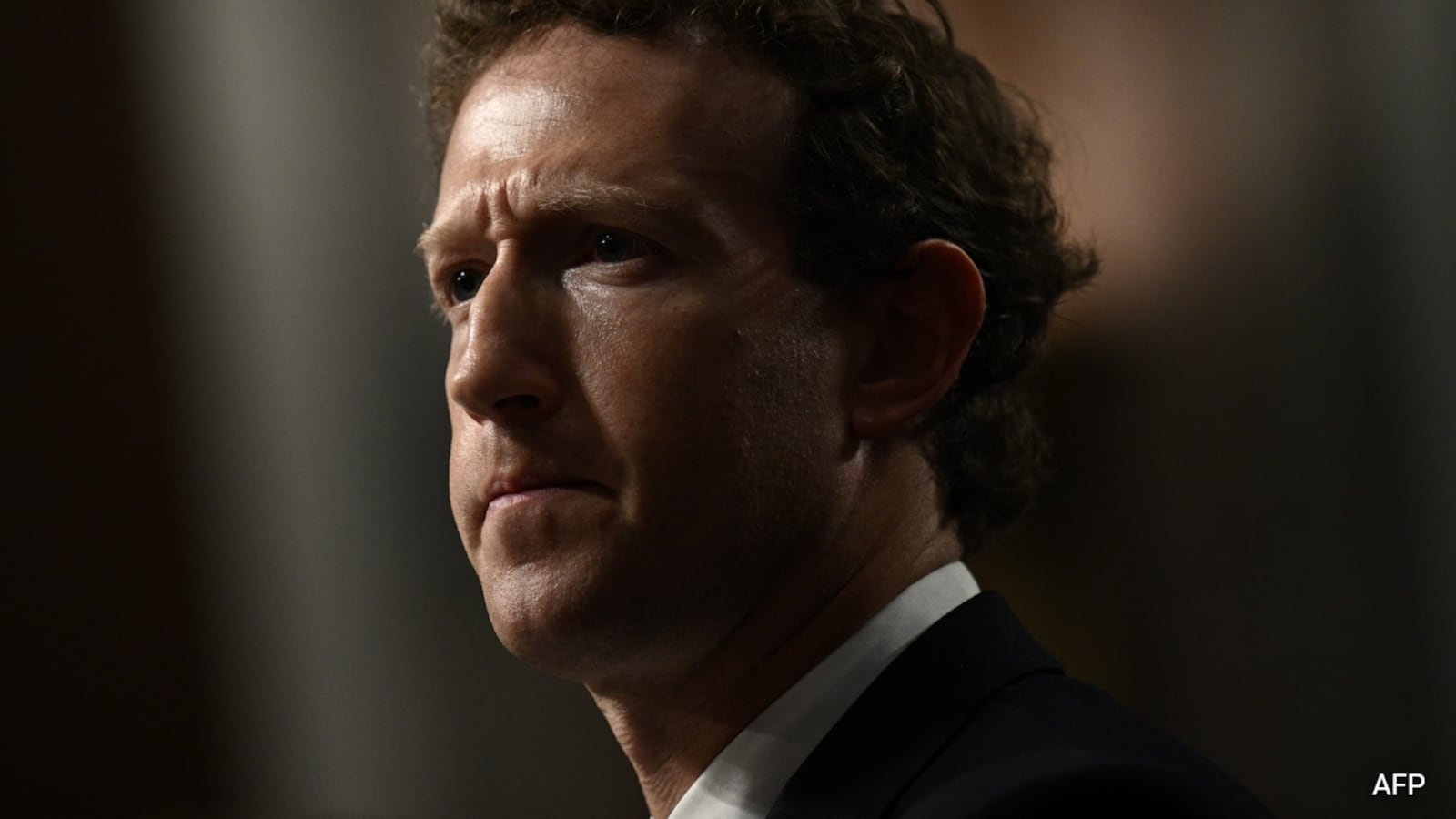
Meta is a very big company that owns apps like Facebook, Instagram and WhatsApp, which lots of people use.
Some grown-ups found very bad pictures and videos involving children on these apps.
Even worse, they found that advertisements helping people find this bad stuff were being shown.
Meta's leader, Mark Zuckerberg, said sorry for this.
The government of India is upset and is now checking what happened.
Special groups that protect children and human rights have asked the police to investigate.
The big question is whether the apps helped bad content spread on purpose or by accident.
There are rules that protect apps from being blamed for what users post, but India says those rules may not apply here.
Everyone agrees that keeping children safe online is really important, and the apps need to do a better job stopping this.

Mark Zuckerberg apologised for child sexual abuse material, deepfake content and operational failures after Meta executives met Indian IT Minister Ashwani Vaishnaw and other officials.
A BBC investigation in early July alleged Instagram ran advertisements promoting child sexual abuse material in India, including ads using phrases like 'rape video'.
A WIRED investigation reported that Meta approved and ran dozens of paid advertisements containing AI-generated child sexual abuse material across Facebook, Instagram, Messenger and Threads.
India's NCPCR launched an inquiry, and the NHRC directed Delhi Police to investigate whether Meta complied with reporting obligations under the POCSO Act.
Indian officials signalled that Meta may not claim 'safe harbour' protections under the Information Technology Act if its algorithms recommend or amplify illegal content.
- Who
- Mark Zuckerberg and Meta executives, Indian IT Minister Ashwani Vaishnaw, IT Secretary S Krishnan, the NCPCR, the NHRC and Delhi Police.
- What
- Meta faces investigations and scrutiny over allegations that its advertising and recommendation systems approved and amplified child sexual abuse material.
- Where
- India, which is Meta's largest market, with some offending advertisements also reaching users in Europe.
- When
- The controversy emerged in early July after a BBC investigation; the WIRED report and the meeting where Zuckerberg apologised took place on a Wednesday.
- Why
- Because investigations alleged Meta's platforms carried ads promoting child sexual abuse material, raising questions about whether its algorithms negate 'safe harbour' legal protections.
Regulators and Child Safety Advocates
Meta and Tech Industry Defenders
Safe harbour protections
Regulators and Child Safety Advocates
Platforms that actively recommend or amplify illegal content through algorithms should lose 'safe harbour' protection under Section 79 of the IT Act.
Meta and Tech Industry Defenders
Platforms act as neutral intermediaries hosting user content and are entitled to legal protection while observing due diligence and removing unlawful material when notified.
Regulation versus innovation
Regulators and Child Safety Advocates
Stricter AI regulation and revocation of safe harbour are critical now; the 'regulation stifles innovation' argument no longer holds when child safety is involved.
Meta and Tech Industry Defenders
Large technology companies have long argued that tighter regulation could slow innovation.
Algorithmic design and intent
Regulators and Child Safety Advocates
The key question is whether Meta adequately tested and mitigated foreseeable risks that its systems could surface, amplify or repeatedly recommend exploitative content.
Meta and Tech Industry Defenders
Algorithms are deliberately designed, but harmful outcomes are not necessarily deliberately intended; Meta says it works aggressively to remove such content and has introduced newer AI detection systems.
Key facts
- Company
- Meta, parent of Facebook, Instagram, WhatsApp, Messenger and Threads
- Apology
- Mark Zuckerberg apologised for CSAM, deepfake content and operational failures
- First investigation
- BBC (early July) alleged Instagram ran ads promoting CSAM in India
- Second investigation
- WIRED reported dozens of paid AI-generated CSAM ads were approved across Meta apps
- Child rights body
- NCPCR launched an inquiry, taking suo motu cognisance of the BBC report
- Human rights body
- NHRC directed Delhi Police to probe compliance with the POCSO Act
- Legal issue
- Whether 'safe harbour' under Section 79 of the Information Technology Act applies to Meta
- Market
- India is Meta's largest market with hundreds of millions of users
Quotes
Sagar Vishnoi
AI expert and Director of Future Shift Labs
“The 'safe harbour' provided to intermediaries under Section 79 of the Information Technology Act is conditional. The intermediary is expected to remain neutral about the content it carries while observing due diligence and complying with government guidelines. It is also required to remove unlawful material when notified that its resources are being used for illegal purposes.”
 NDTV
NDTV
“The real concern is not merely the presence of harmful content, but whether platform algorithms are amplifying and monetising it. If engagement-driven systems are recommending CSAM, deepfake nudification tools or other sexually exploitative content, the issue extends beyond content moderation - it becomes an algorithmic governance failure.”
NDTV
Sources
Related news
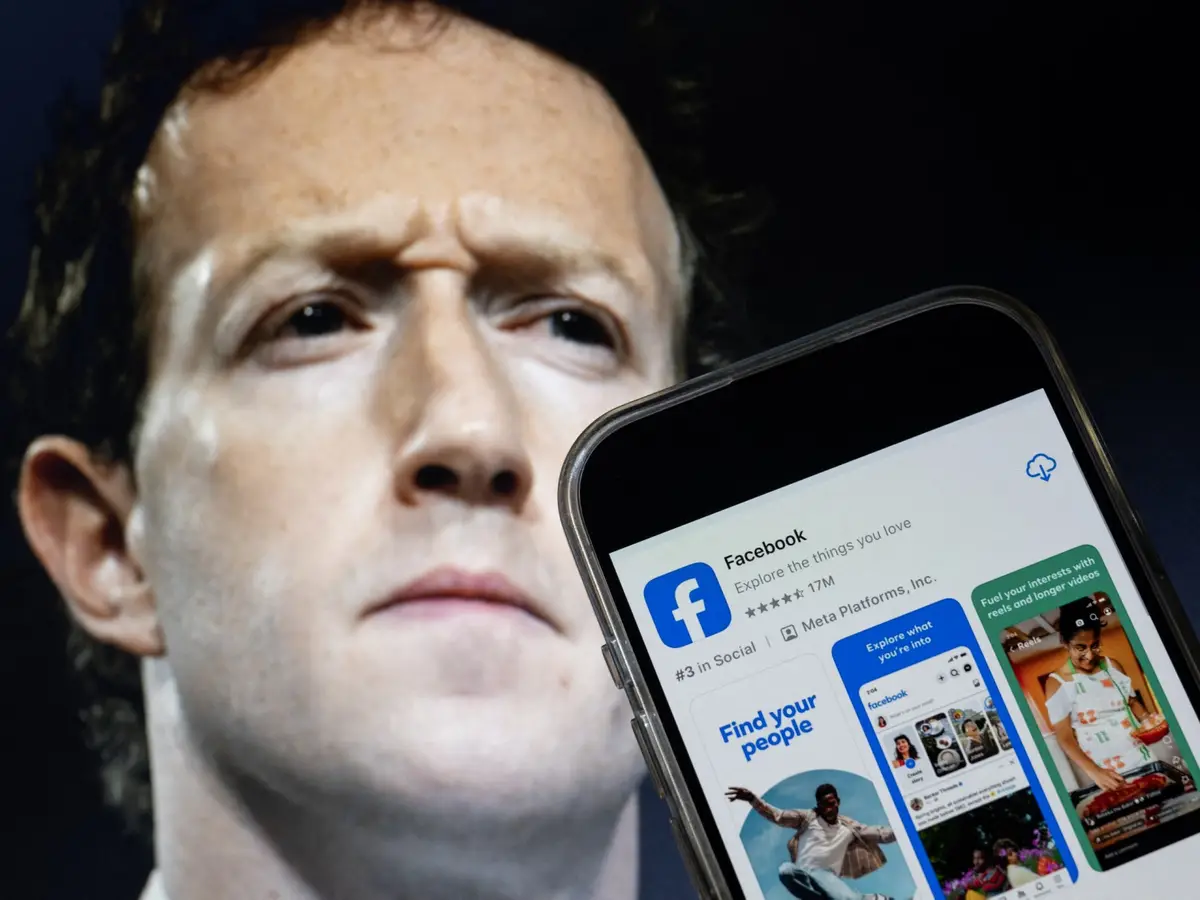
Zuckerberg Apologises to India Over CSAM and Deepfakes on Meta

India Warns Meta: No Safe Harbour for CSAM Violations

Meta Intensifies Efforts to Curb Child Abuse Content

Could India revoke Meta's safe harbour protection amid Modi row

Govt, Meta hold fresh talks on algorithms, content moderation

Tamil Nadu Cybercrime Probe Targets Deepfake Impersonating CM Vijay

Adilabad Police Arrest Suspect in Rs 5.3 Crore Instagram Fraud

Man loses ₹3.81 lakh in alleged Kerala lottery scam
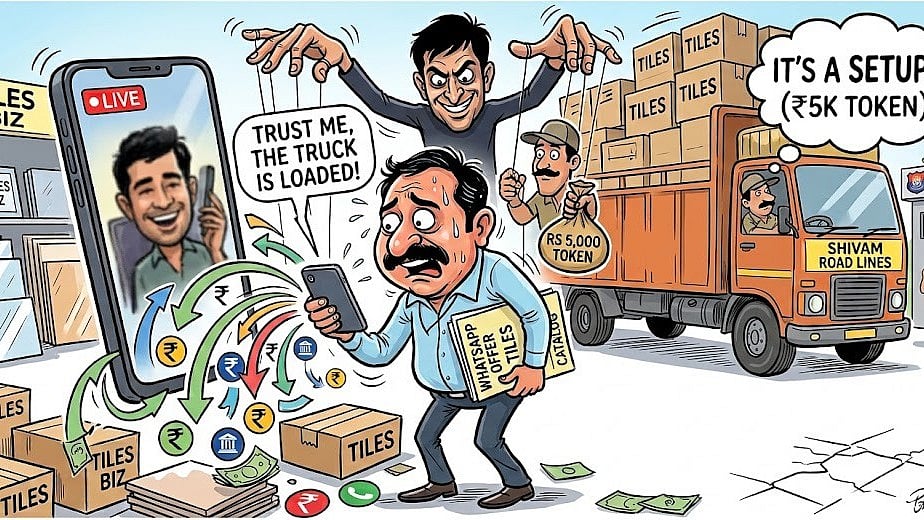
Indore Tile Trader Loses ₹2.5 Lakh in WhatsApp Scam

Chennai Metro Reports 1.04 Crore Passenger Journeys in August