1 day ago
India’s School Crisis Deepens As Learning Outcomes Decline
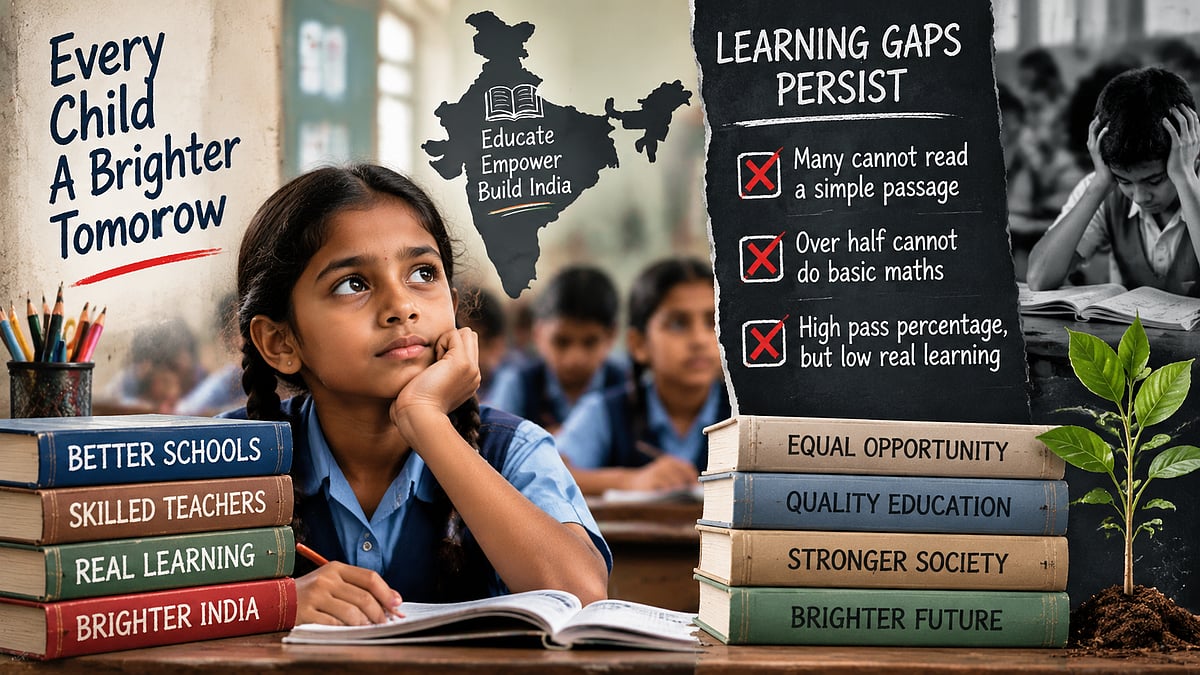
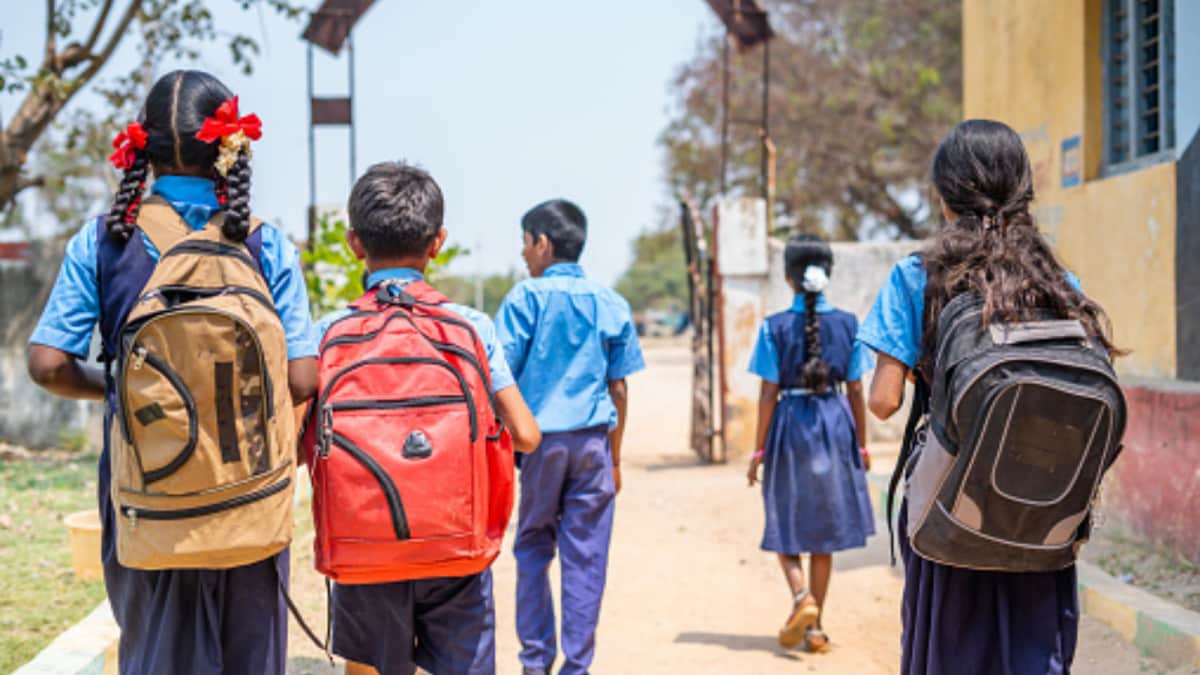
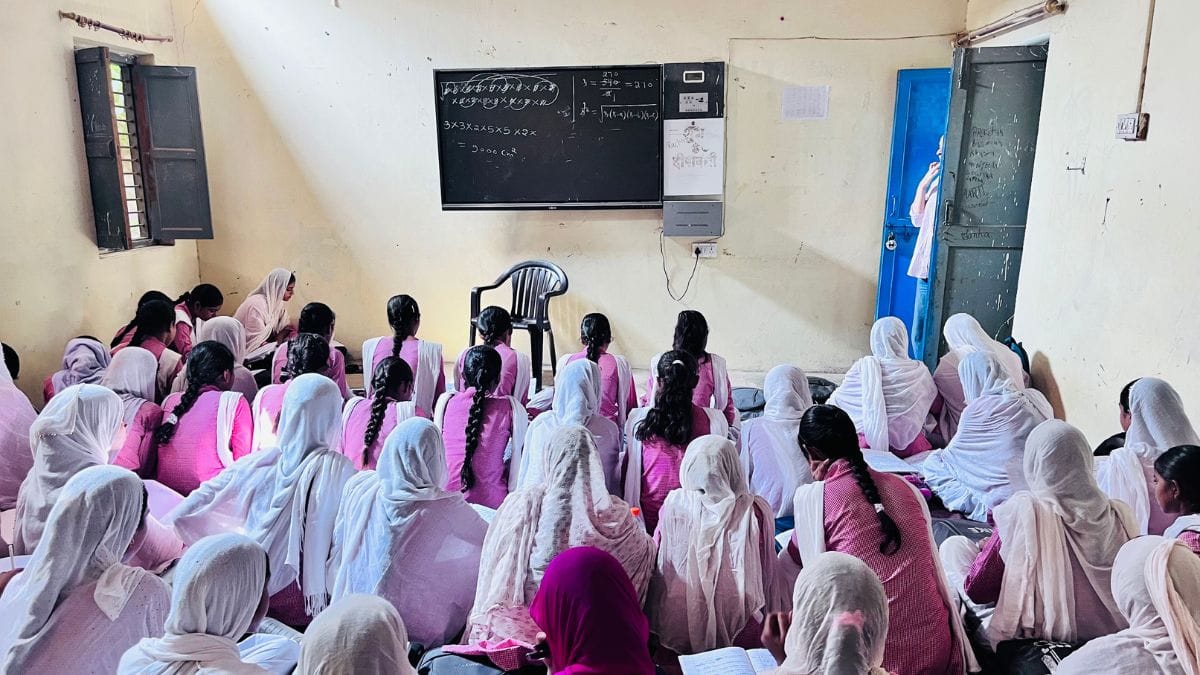
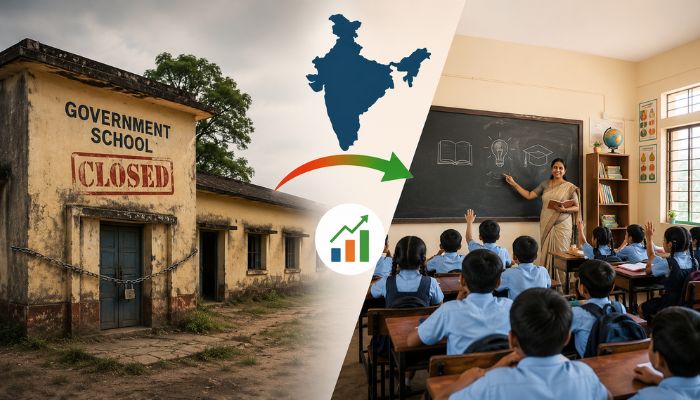
The article says that many children in India attend school but do not learn important basic skills.
These skills include reading, mathematics, science, communication, and problem-solving.
The government and families spend a lot of money on education, but test results are still poor.
More families are choosing private schools, although the article says private schools usually perform only a little better.
Many students pass exams without reaching the expected learning level.
The author believes exams often test memorization instead of real understanding.
He says fair, honest, and less stressful tests could show what children truly know.
Better testing, monitoring, and support for teachers and parents could help schools improve.

The article argues that India’s school system is failing to develop children’s basic skills despite substantial spending, legal protections, and strong public demand for education.
Government-school enrollment reportedly fell from 67% to 60% over the past three years, while private-school learning outcomes are described as only marginally better.
ASER findings cited in the article say fifth- and eighth-grade learning outcomes have declined by roughly 12–15% over two decades.
Although about 93% of children reportedly pass Class X, only around 20% are said to demonstrate grade-level competency.
The author identifies poor assessment and examinations—including rote learning, weak consequences, and cheating—as the central causes of declining outcomes.
- Who
- Indian schoolchildren, parents, teachers, governments, and education stakeholders; the article is written by the founder of the Lok Satta movement and Foundation for Democratic Reforms.
- What
- An argument that India’s school-education system is producing poor and declining learning outcomes because success is badly defined and measured.
- Where
- India, across government and private schools nationwide.
- When
- The article cites trends and surveys from 2005 through the 2023 ASER survey, including a decline over the past two decades and the past three years.
- Why
- The author attributes the problem mainly to weak, irrelevant, or poorly enforced assessments, along with insufficient focus on competency and learning outcomes.
Resource-Focused View
Assessment-Focused View
Main cause of weak schools
Resource-Focused View
More education funding, improved infrastructure, and additional resources are necessary to strengthen schools.
Assessment-Focused View
The author argues that resources alone cannot solve the problem because spending and infrastructure have not produced better learning outcomes.
Public versus private schools
Resource-Focused View
Families increasingly choose private schools because they believe these schools offer children a better educational head start.
Assessment-Focused View
The article says private-school learning outcomes are only marginally better than those in government schools, so changing school type is not enough.
How to improve learning
Resource-Focused View
Traditional policy emphasis should continue to include expenditure, infrastructure, and staffing improvements.
Assessment-Focused View
The author advocates competency-based, honest, stress-free testing with meaningful consequences, plus monitoring and greater empowerment of parents, teachers, and communities.
Key facts
- Public-school enrollment
- The article says the share of children in government schools fell from 67% to 60% over the past three years.
- Fifth-grade reading
- The first ASER report in 2005 found that about 39% of fifth-graders could not read a simple second-grade-level passage.
- Fifth-grade mathematics
- More than 55% of fifth-graders in the 2005 survey could not complete a simple three-digit-by-one-digit division problem.
- Learning decline
- The article says learning outcomes in fifth and eighth grades declined by about 12–15% over the following two decades.
- Class X competency
- National Achievement Survey figures cited say about 93% of students pass Class X, but only about 20% have grade-level competency.
- Youth foundational skills
- The 2023 ASER survey reportedly found that more than half of 14-to-18-year-olds could not calculate time or apply discounts.
- Pupil-teacher ratios
- The article cites government-school ratios of 19 pupils per teacher in primary classes, 15 in secondary classes, and 23 in higher secondary classes.
Sources
Related news

India’s Public Schools Face Infrastructure and Learning Crisis
School Protests Expose India’s Infrastructure Failures Amid State Pushback
Kolkata Educator Advises Choosing Schools Beyond Marks and Facilities
India's Education Spend at 14.2%, Below UNESCO's 15% Benchmark
Parliamentary panel flags 73% student enrolment drop in India
Congress School Closure Claim vs NITI Aayog Education Data

Educating the vulnerable: no-detention masks tribal learning deficits

Telangana intensifies mission to re-enrol school dropouts through TOSS

IT Professional Killed in BMW-Motorcycle Accident

Indian Adaptation of The Little Prince Launched