2 hrs ago
States Struggle to Meet Supreme Court Menstrual Hygiene Mandate
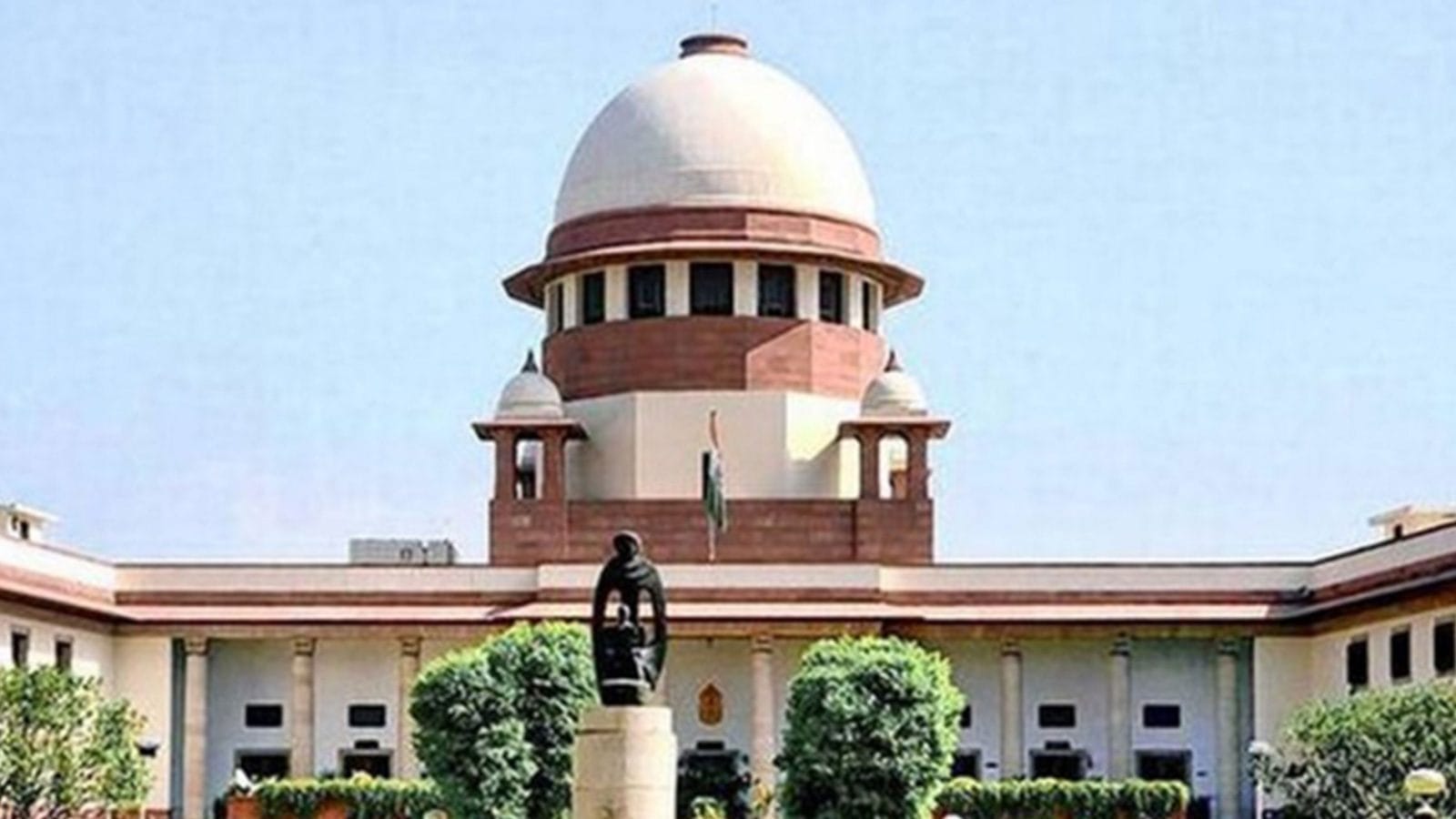
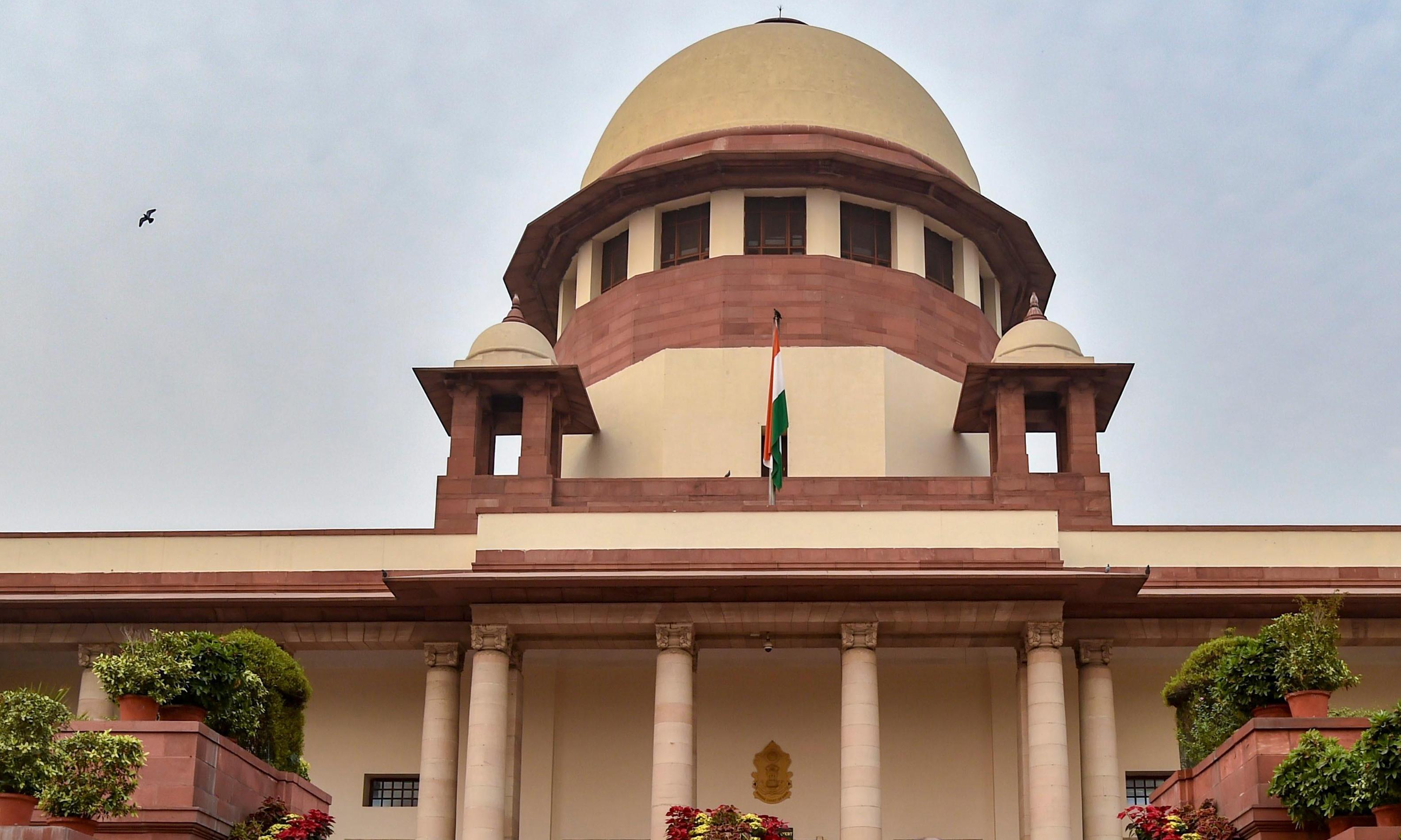
The Supreme Court told schools to make periods safer and easier for girl students.
Schools must provide separate working toilets, water, free sanitary napkins, and safe ways to throw them away.
A new government report says many schools have not completed these tasks.
Some schools have toilets but do not have enough cleaners or water.
Many schools also do not have machines or other systems for providing sanitary napkins.
Chandigarh reported that all its schools provide access to napkins, but Puducherry reported the facility in only 36.2% of schools.
The court said rules are not useful if students cannot use the toilets or find water.
It ordered local education officials to organize surprise checks at every school.

The Centre’s affidavit reports major gaps in states’ implementation of the Supreme Court’s school menstrual hygiene directions.
Free sanitary napkins remain unavailable in many schools; Chandigarh reported full provision, while Puducherry reported access in 36.2% of schools.
Only six states reported full compliance with requirements for covered sanitary-waste bins.
More than 2,400 schools in Arunachal Pradesh reported having no cleaners, while only 1% of Jharkhand’s schools employed them.
The Supreme Court ordered surprise inspections after questioning claims of full compliance and discrepancies in state submissions.
- Who
- The Centre, state and Union Territory governments, schools, the Supreme Court of India, and girl students are involved.
- What
- A Centre affidavit reported incomplete implementation of court-ordered menstrual hygiene measures in schools.
- Where
- Schools across Indian states and Union Territories.
- When
- The affidavit was submitted about eight months after the Supreme Court’s January decision; the Centre said it used information received from states in August.
- Why
- The measures were ordered after a public interest litigation seeking free sanitary napkins, separate toilets, maintenance, and menstrual-health awareness for students.
Reported progress
Implementation concerns
State compliance
Reported progress
The Centre said states had made considerable progress on gender-segregated toilets and had used educational and media strategies to increase awareness and reduce menstrual stigma.
Implementation concerns
The affidavit showed major gaps in cleaning staff, sanitary-pad access, waste bins, and other facilities, while some states did not provide required information.
Reported compliance claims
Reported progress
Several states and Union Territories reported full compliance with particular requirements, including toilet and hand-washing facilities or the presence of cleaners.
Implementation concerns
The Supreme Court flagged discrepancies and said a policy circular means little if toilets are unusable or water is unavailable.
Oversight
Reported progress
The Centre is providing regular status updates as required by the court’s continuing monitoring process.
Implementation concerns
The petitioner’s advocate argued that an independent committee is needed to supervise implementation rather than relying only on government reports.
Key facts
- Court requirements
- Functional gender-segregated toilets, usable water, free sanitary napkins, and environmentally friendly waste disposal in schools.
- Full toilet compliance
- Delhi, Punjab, Goa, Assam, Daman & Diu, Lakshadweep, and Puducherry reported the required toilet and hand-washing facilities in all schools.
- Cleaning gap
- More than 2,400 schools in Arunachal Pradesh reported having no cleaners; only 1% of Jharkhand’s 35,457 schools reported cleaners.
- Sanitary-pad vending machines
- Only six states reported full compliance with covered waste-bin requirements; vending-machine coverage varied widely across states.
- Puducherry access
- All schools reported having vending machines, but free sanitary-pad arrangements covered 36.2% of schools.
- Bihar and Andhra Pradesh
- Vending machines were reported in 2.6% of more than 95,000 Bihar schools and 5% of 61,079 Andhra Pradesh schools.
- Court response
- The Supreme Court directed District Education Officers to form teacher teams for surprise inspections of every school.
Quotes
Varun Thakur
Advocate who appeared for the petitioner in the Supreme Court matter
“This was a landmark judgement where the court read menstrual hygiene as an important facet of the right to live with dignity as well as a girl student’s right to education. These directives cannot remain on paper and only a court-appointed independent panel can monitor its implementation”
 theprint.in
Sources
Related news
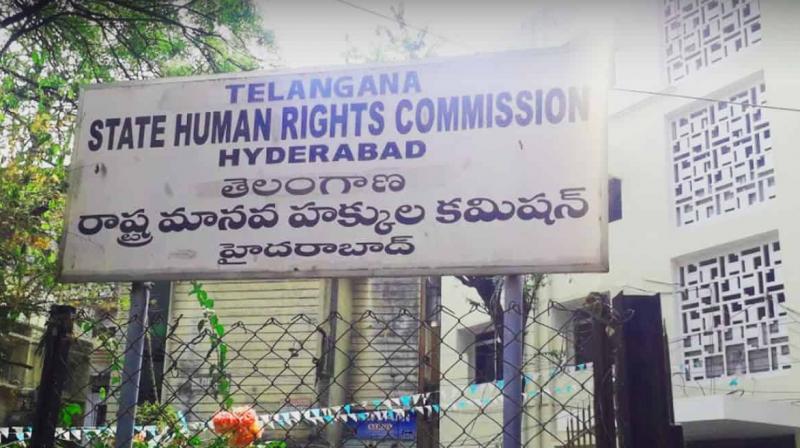
Telangana Human Rights Commission Orders Action on School Amenities

Bihar School Lacks Boys’ Washroom, Boundary Wall and Staff
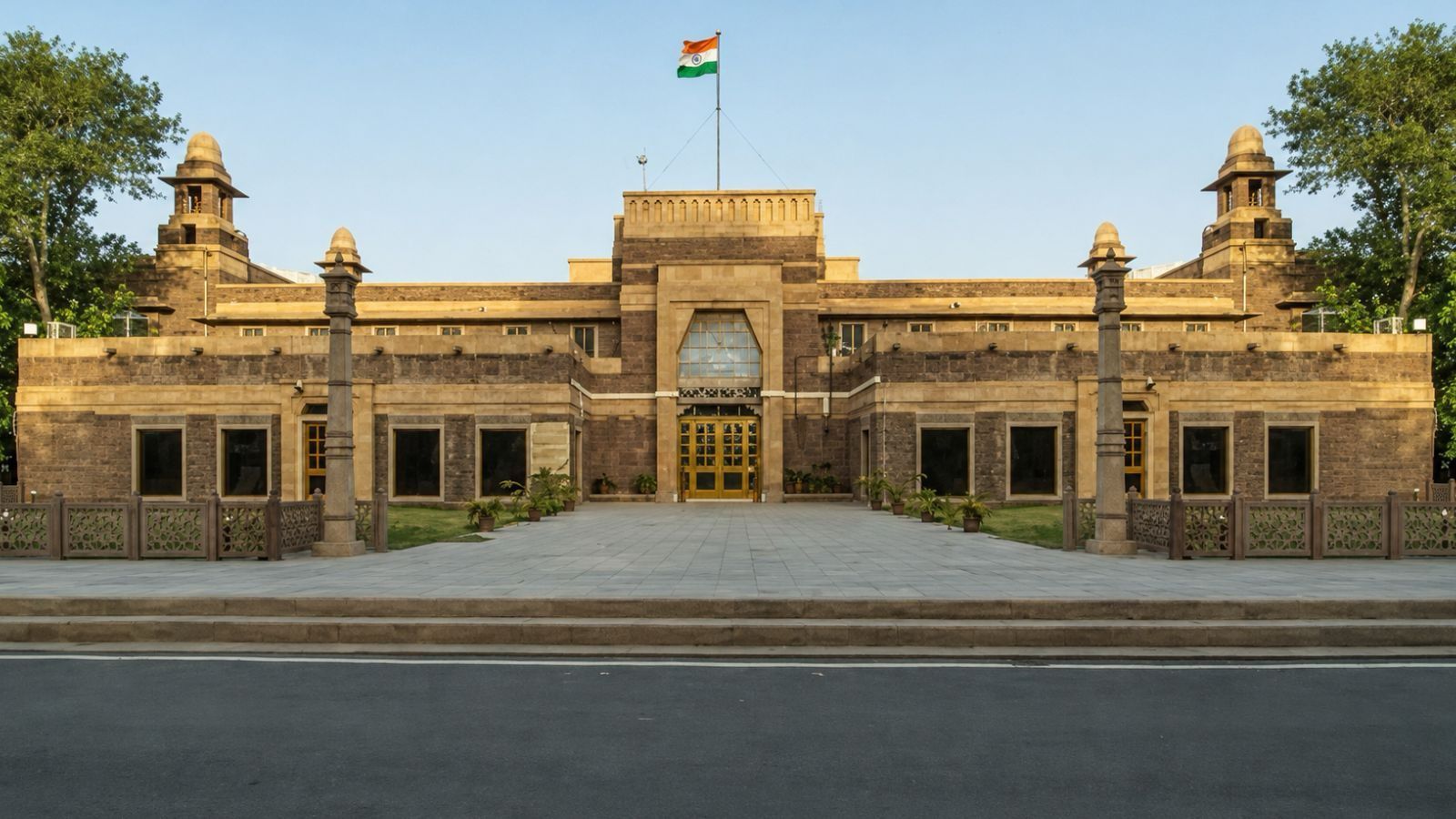
Rajasthan High Court Sets Gen Z School Welfare Blueprint

Rajasthan High Court Bans Junk Food Near Schools
Maharashtra Orders Zilla Parishad Schools to Get Basic Facilities
Rajasthan High Court Orders Action to Protect Young Generations

Supreme Court Strikes Down Maharashtra Methanol Rules

Supreme Court Approves NSE-SEBI Co-Location Settlement

Supreme Court Stays Ruling Against Income Tax Section 147A

Supreme Court Names Former Patna HC Judge Bihar Cricket Administrator