

6 days ago
Rupee Strategy Spurs Calls For A Total Economic Reboot

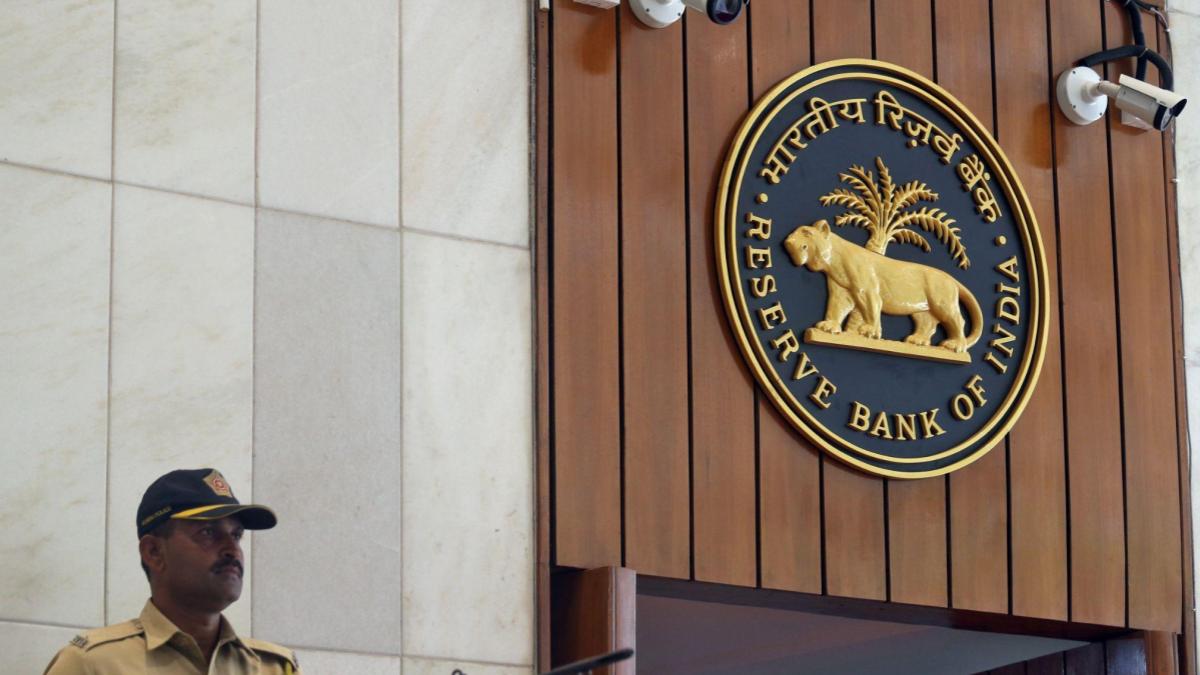
The Reserve Bank of India created a scheme to attract dollars from people living outside India.
It ended the scheme early because more dollars came in than expected.
However, the country’s reserves did not rise by as much as the total inflows.
The author believes the central bank used some of the dollars to manage earlier currency deals instead of letting the rupee rise.
The rupee stayed mostly steady, rather than becoming much stronger as it did after a similar scheme in 2013.
The author says people may start believing that the rupee will always lose value.
That belief can make importers buy currency protection early and exporters delay bringing money into India.
The article also says foreign and Indian private investment have remained weak.
Because of these problems, the author argues that India needs to rethink its economic policies.

The Reserve Bank of India ended its foreign-currency non-resident bank window earlier than planned after dollar inflows exceeded expectations.
Although the scheme attracted more than $50 billion in just over two months, India’s foreign-exchange reserves increased by only about $7 billion.
The rupee remained largely stable, unlike in 2013, when it appreciated nearly 5% in three months and nearly 9% in six months.
The article argues that a persistently weak rupee is hurting production-linked incentive projects and reinforcing expectations that the currency will keep falling.
Flat foreign direct investment and domestic private investment have prompted calls for a complete reboot of Indian economic policy.
- Who
- The Reserve Bank of India, non-resident investors, analysts, foreign investors, and Indian private investors.
- What
- The RBI ended a foreign-currency non-resident bank window early, prompting debate about rupee management and broader economic policy.
- Where
- India and its foreign-exchange and investment markets.
- When
- The window was closed after attracting more than $50 billion in a little over two months; the article also compares the development with 2013 and trends over the past decade or more.
- Why
- The RBI reportedly ended the scheme because dollar inflows exceeded expectations, while the author says weak investment, rupee depreciation expectations, and policy problems require a broader economic reboot.
Critique Of Current Rupee Management
Defense Of The RBI’s Approach
Ending the dollar scheme
Critique Of Current Rupee Management
The author questions why the RBI closed the window early and argues that the policy may signal excessive comfort with a weak rupee.
Defense Of The RBI’s Approach
The RBI’s stated reason was that dollar mobilization exceeded expectations, making an early closure appropriate.
Currency intervention
Critique Of Current Rupee Management
The author argues that allowing the rupee to remain weak reinforces a one-way expectation of depreciation and puts further pressure on reserves.
Defense Of The RBI’s Approach
Using incoming dollars to close forward sales could stabilize the rupee, avoid excessive appreciation, and offset part of the scheme’s subsidy through premiums.
Leverage in the scheme
Critique Of Current Rupee Management
The use of leverage could increase the RBI’s exposure if investors borrow to participate, although the article does not identify a specific adverse outcome.
Defense Of The RBI’s Approach
The RBI appears comfortable with leverage because it allows the central bank to offer only a modest premium over United States interest rates, reducing the scheme’s cost; State Bank of India has also indicated willingness to provide leverage.
Key facts
- Dollar inflows
- More than $50 billion entered through the scheme in a little over two months.
- Reserve increase
- Foreign-exchange reserves rose by only about $7 billion.
- 2013 comparison
- The rupee appreciated nearly 5% over three months and nearly 9% over six months after the earlier scheme.
- Rupee valuation
- The article says the rupee is more than 10% undervalued on a real effective exchange-rate basis.
- Reserve decline attributed to leads and lags
- Analysts estimated that $150 billion to $185 billion of the reserve decline reflected importer and exporter timing behavior.
- Net FDI
- Net FDI has averaged about 1.5% of GDP over the past 16 years, down from 3.6% in 2008.
- Domestic private investment
- Domestic private investment has remained around 12% of GDP for more than a decade, compared with 25% to 28% globally.
Sources
Related news

Rupee tumbles as RBI advances FCNR(B) swap closure

RBI Intensifies Rupee Support as Reserves Cushion Currency Pressure

India’s Forex Reserves Hit Record High on Foreign Inflows

India’s Forex Reserves Hit Record $729.3 Billion Amid Inflows
RBI Advances FCNR(B) Scheme Closure to August 31
Rupee breathes via borrowed dollars as RBI swap window closes

India’s Semicon 2.0 Broadens Chip Ecosystem; Three Stocks Watched
Modi’s Make in India Gains Face Rahul Gandhi’s Criticism

UPSC Key Tracks Talking Cars, Glaciers, Treaties And Growth

Vaishnaw Explains India’s Journey From Sand to Semiconductor Chips
India Semiconductor Ecosystem Set to Create 50,000–60,000 Jobs
