5 days ago
India’s Forex Reserves Hit Record High on Foreign Inflows

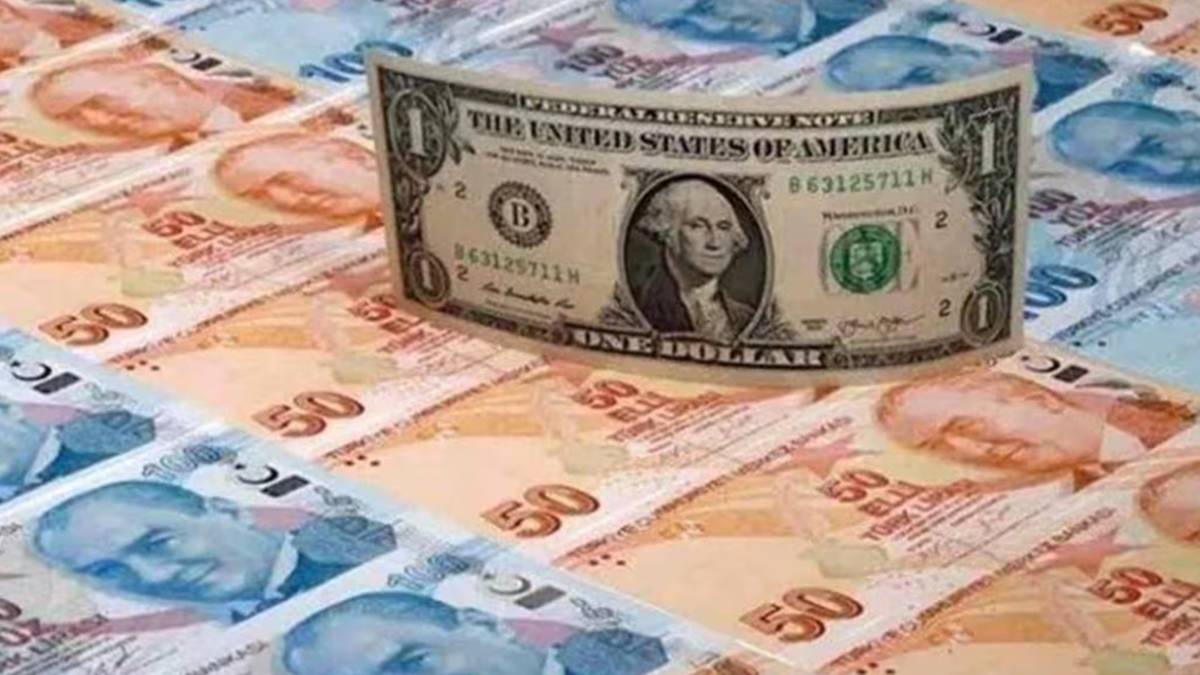
India keeps foreign money, such as dollars, in reserves.
These reserves reached a record $729.328 billion by August 21, 2026.
A large part of the increase came from foreign-currency deposits attracted by Indian banks.
The banks offered attractive interest rates under a special Reserve Bank of India facility.
The RBI also received dollars connected with overseas borrowing.
More reserves give the RBI more ability to support the rupee and pay for important imports.
However, some of the money may leave when the special incentives end or global interest rates change.
Experts said the record improves short-term safety but does not solve longer-term problems such as dependence on imported oil.

India’s foreign exchange reserves rose $12.422 billion to a record $729.328 billion in the week ended August 21, 2026.
Foreign currency assets increased $9.4 billion to $591.3 billion, while gold reserves rose $2.8 billion to $114.2 billion.
Banks mobilised $65.397 billion through FCNR(B) deposits under the Reserve Bank of India’s concessional swap facility.
Including overseas foreign-currency borrowings and external commercial borrowings, inflows under the measures reached about $72.8 billion.
Analysts said the buildup strengthens India’s external buffer but warned that deposit-led inflows may reverse and do not remove oil-related risks.
- Who
- The Reserve Bank of India, Indian banks, non-resident depositors, and analysts Manoranjan Sharma and Amit Pabari.
- What
- India’s foreign exchange reserves reached a record $729.328 billion, driven substantially by FCNR(B) and other foreign-currency inflows.
- Where
- India’s foreign exchange reserves and banking system.
- When
- The record was recorded in the week ended August 21, 2026, and reported on August 28, 2026.
- Why
- The RBI introduced special measures to attract foreign-currency inflows, support the rupee, and help bridge the balance-of-payments gap.
Reserve buildup strengthens stability
Reserve buildup may be temporary
External protection
Reserve buildup strengthens stability
Manoranjan Sharma said the larger reserves strengthen India’s external shock absorber, giving the RBI more capacity to manage disorderly rupee depreciation, finance essential imports during oil-price or geopolitical shocks, and reassure foreign investors.
Reserve buildup may be temporary
Sharma said the record should not be interpreted as proof that structural current-account vulnerabilities, particularly oil dependence, have disappeared.
Impact of RBI measures
Reserve buildup strengthens stability
Amit Pabari said the RBI’s special USD-INR swap facility attracted about $72.848 billion by August 21 and helped rebuild the reserve buffer.
Reserve buildup may be temporary
Pabari said most of the dollars went directly into RBI reserves rather than the open market, and the inflow stream could dry up after the FCNR(B) window closes.
Durability and costs
Reserve buildup strengthens stability
The inflows give policymakers more room to manage external pressures and support near-term financial stability.
Reserve buildup may be temporary
Deposit-led inflows create external liabilities, may reverse when incentives expire or global yields change, and the RBI’s dollar absorption creates domestic liquidity-management costs.
Key facts
- Record reserves
- $729.328 billion in the week ended August 21, 2026
- Weekly increase
- $12.422 billion, from $716.91 billion a week earlier
- Previous record
- $728.494 billion in the week ended February 27, 2026
- Foreign currency assets
- Rose by $9.4 billion to $591.3 billion
- Gold reserves
- Rose by $2.8 billion to $114.2 billion
- FCNR(B) deposits
- Accretion of $65.397 billion between June 8 and August 21, 2026
- Total inflows
- About $72.8 billion, including FCNR(B) deposits, overseas foreign-currency borrowings, and external commercial borrowings
- Facility deadline
- Moved forward from September 30 to August 31, 2026
Quotes
Dr. Manoranjan Sharma
Chief Economist at Infomerics Ratings
“However, the quality and durability of the increase (in forex reserves) matter. Deposit-led inflows raise external liabilities and may reverse when incentives expire or global yields change. RBI dollar absorption also creates domestic liquidity-management costs. Thus, the record stock improves near-term stability, but should not mean that structural current-account vulnerabilities, especially oil dependence, have disappeared- no way!”
 thehindubusinessline.com
 businesstoday.in
“The RBI’s June measures to strengthen the balance of payments, especially incentives and facilities that attracted overseas foreign-currency inflows, including NRI/FCNR(B)-related deposits, brought substantial dollars into the banking system. The RBI absorbed part of these flows, including through discounted FX swaps, rather than allowing an abrupt rupee appreciation.”
thehindubusinessline.com
businesstoday.in
Sources

Related news

India’s Forex Reserves Hit Record $729.3 Billion Amid Inflows

India Draws Record $127 Billion Through Special FCNR Window
RBI Forex Swap Attracts Record $136.37 Billion Inflows

India’s Foreign Currency Facility Draws $72.85 Billion
RBI Forex Swap Facility Draws $72.85 Billion in Inflows
RBI Forex Swap Draws $136.4 Billion, Led by FCNR(B) Deposits

India's 7.8% GDP Growth Sparks Questions Over Economic Reality

India Needs a Unified Ministry to Strengthen Energy Security

How Personal Guarantees Work Under India’s Insolvency Code

India Plans High-Tech Waiver From Mandatory BIS Certification Rules

India Condemns Demolition of Century-Old Hindu Temple in Pakistan