1 day ago
UPSC Key Tracks Talking Cars, Glaciers, Treaties And Growth
This UPSC study guide explains several important events and ideas for students.
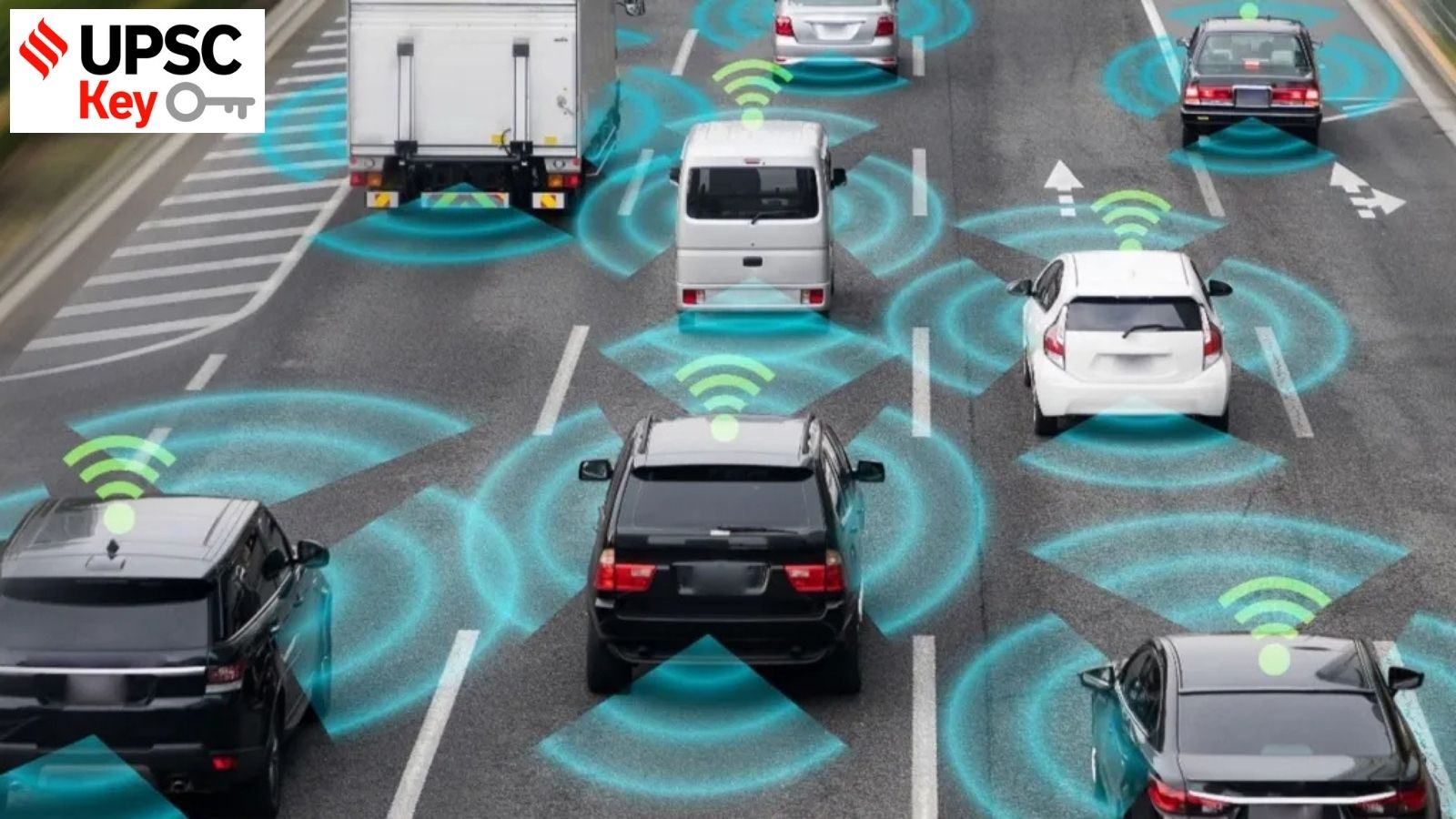
India wants cars, buses and trucks to share information wirelessly so they can warn drivers about dangers that may be hidden from view.
Scientists have found many unstable hanging glaciers in the Himalayas that could break and cause floods.
India and Pakistan are disagreeing about whether the Indus Waters Treaty can be put on hold.
India is also planning more oil and gas exploration under the sea because it imports much of its energy.
The government has announced a large semiconductor programme to support chip design and manufacturing.
India’s economy grew by 7.8% in the first quarter, helped by manufacturing, services and investment.
However, the country still needs more formal, better-paying jobs, especially for young people and women.
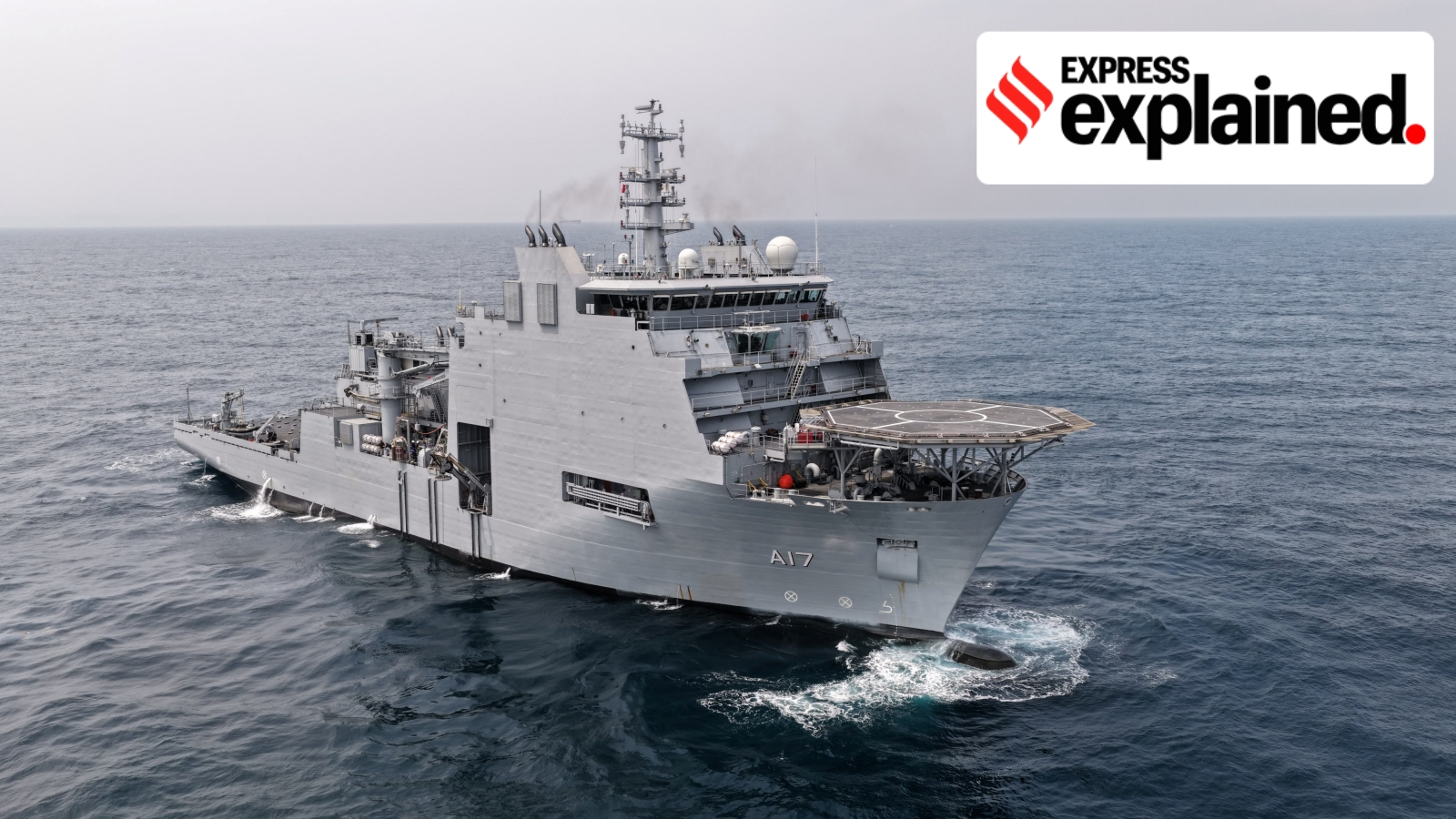
The guide also mentions new defence, space, humanitarian-award and renewable-energy developments.

India plans mandatory Vehicle-to-Vehicle systems in new vehicles from October 2028, following proposed technical rules and AIS-230 standards.
A study identified 219 potentially unstable hanging glaciers in the Alaknanda basin, warning of break-offs, avalanches and glacial lake floods.
India rejected a Court of Arbitration decision that said the Indus Waters Treaty remains fully in force despite India placing it in abeyance.
ONGC plans to invest about Rs 1 lakh crore in 87 deepwater and ultra-deepwater wells by 2030-31, supported by the Samudra Manthan scheme.
The roundup also covers Semicon 2.0, 7.8% Q1 GDP growth, employment quality, defence cooperation, satellite launches and renewable-backed thermal profits.
- Who
- The Government of India, Indian agencies, ONGC, ISRO, the Indian Navy, the United States, Venezuela, and India-Pakistan treaty bodies are central to the developments discussed.
- What
- The Indian Express UPSC key reviews road-safety technology, Himalayan glacier risks, the Indus Waters Treaty dispute, offshore energy, semiconductors, GDP, employment and other current affairs.
- Where
- The developments concern India, the Himalayas and Alaknanda basin, the Indus river system, Venezuela, the United States, Sriharikota and Mumbai.
- When
- The material is presented as a UPSC CSE current-affairs key for September 1, 2026, and includes developments announced in 2026 and earlier reference events.
- Why
- These topics are relevant to UPSC Civil Services Preliminary and Mains examinations, particularly government policy, science and technology, geography, international relations, economy and employment.
Government, Indian and institutional positions
Critics, counterparties and risk concerns
Vehicle-to-Vehicle communication
Government, Indian and institutional positions
The government proposes V2V communication to complement ADAS by warning drivers about risks beyond the line of sight, including sudden braking, blind corners and obstacles.
Critics, counterparties and risk concerns
Concerns remain about technical reliability, cybersecurity, privacy, interoperability, infrastructure and whether all vehicles will be equipped to communicate effectively.
Indus Waters Treaty status
Government, Indian and institutional positions
India says the Court of Arbitration was illegally constituted, lacks jurisdiction and cannot rule on India’s sovereign decision to place the treaty in abeyance.
Critics, counterparties and risk concerns
The Court of Arbitration concluded that suspension or termination was not justified under the treaty or applicable international law and said the treaty remains fully in force.
United States-Venezuela oil agreement
Government, Indian and institutional positions
The United States presents the arrangement as a way to use American capital and technology, secure heavy crude, support energy-market influence and revive Venezuela’s oil sector.
Critics, counterparties and risk concerns
Venezuela presents it as an investment programme, while the agreement’s precise legal and commercial structure remains unclear and foreign control could be politically contentious.
Growth and employment
Government, Indian and institutional positions
Strong manufacturing, services, investment and consumption supported 7.8% GDP growth, while infrastructure, formalisation, financial inclusion and skilling have expanded employment foundations.
Critics, counterparties and risk concerns
The outlook may become less favourable because of external conflict, tariff uncertainty, weather risks, inflation and a strong base effect; the larger challenge is creating formal, productive and better-paying jobs.
Key facts
- Road deaths in India
- Road crashes reportedly killed 1.83 lakh people in 2025, around 6,000 more than the previous year.
- V2V timeline
- Vehicles in categories L, M and N manufactured on or after October 1, 2028, are proposed to require AIS-230-compliant V2V systems.
- Hanging glaciers
- An April 2026 Nature study identified 219 hanging glaciers in the Alaknanda basin, with nearly one-third of the unstable ice in the Upper Alaknanda basin.
- Indus Waters Treaty
- India and Pakistan signed the treaty on September 19, 1960; India placed it in abeyance in April 2025, while the Court of Arbitration said it remains in force.
- Offshore exploration
- ONGC plans 87 deepwater and ultra-deepwater wells and investment of about Rs 1 lakh crore through 2030-31.
- Semicon 2.0
- The programme has an outlay of Rs 1.27 lakh crore and offers support for chip design, equipment, materials, fabrication and packaging.
- Q1 GDP growth
- India’s real GDP grew 7.8% in the April-June quarter, with manufacturing growing 9.2% and services 10%.
- Employment trend
- The RBI KLEMS database provisionally estimates employment rose from 47.15 crore in 2014-15 to 64.33 crore in 2023-24.
Quotes

Ministry of External Affairs
India’s foreign ministry, responding to the Court of Arbitration’s decision.
“The Court found that none of these grounds could justify suspension or termination of the Treaty. Accordingly, the Indus Waters Treaty remains fully in force, and India must observe its obligations under the Treaty, including those relating to the design and operation of its hydro-electric projects on the Western Rivers.”
 indianexpress.com
“Today, the illegally constituted so-called Court of Arbitration (CoA) has issued what it termed as an award concerning Interim Measures and Status of the Indus Waters Treaty.”
indianexpress.com
Sources
Related news
UPSC Key Covers SCO, Electoral Rolls, Economy, Defence and Climate
India’s Electronics, Energy, Economy and Regional Affairs Explained
Saudi Arabia, Turkey, Pakistan Sign Mecca Joint Defence Agreement
UPSC Key Highlights Nepal Floods, Rights, Defence, Nuclear Energy
UPSC Weekly Current Affairs: Environment, Diplomacy, Defence and Economy
Indian Navy Receives First Multipurpose Vessel Samarthak

India and UK Advance Military Production and Defence Cooperation
Indian Navy Commissions INS Nipun for Deep-Sea Submarine Rescue