

2 weeks ago
Rupee breathes via borrowed dollars as RBI swap window closes
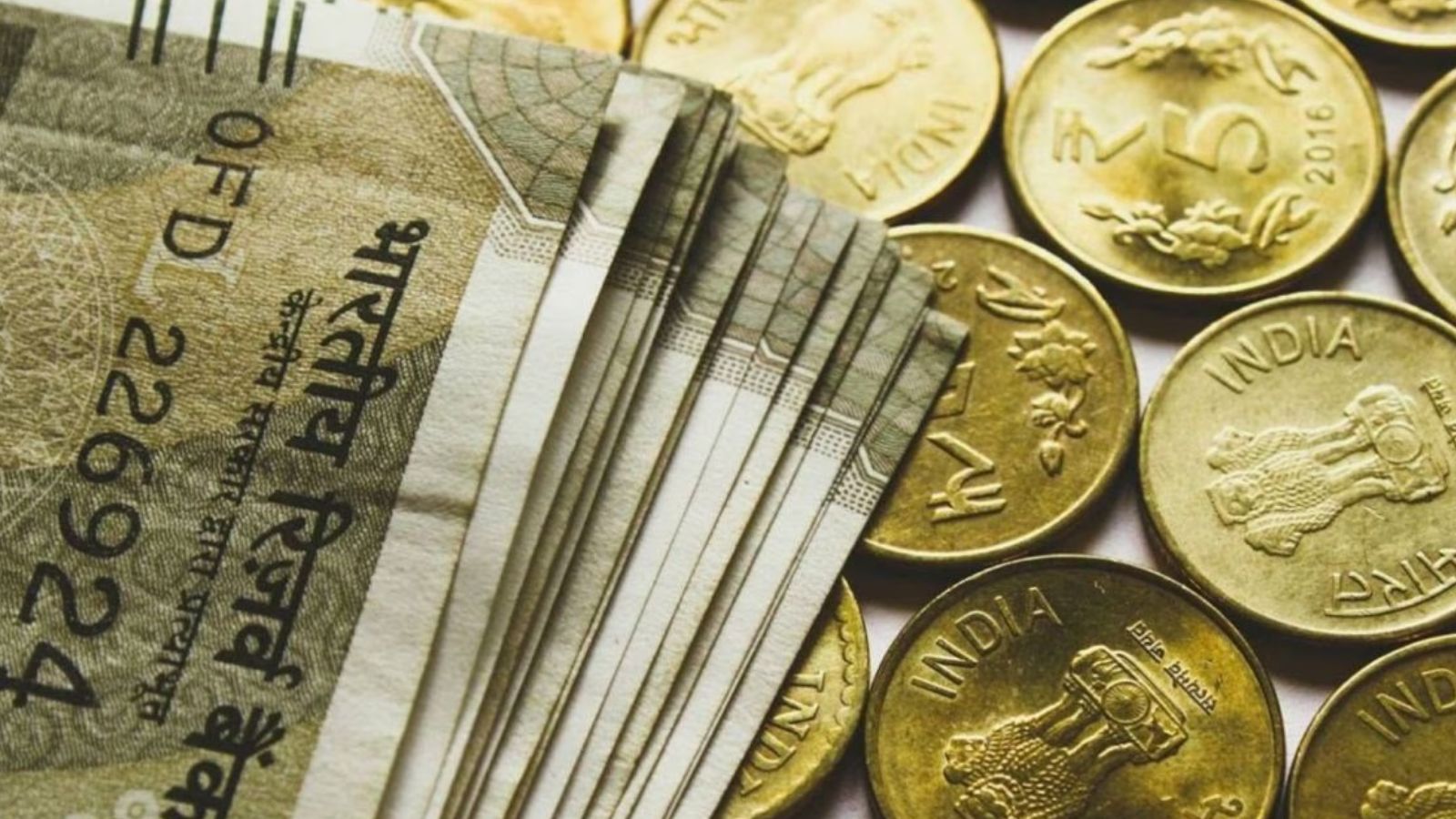
India's money, the rupee, was losing value compared to other countries' money.
To help, the Reserve Bank of India, the country's central bank, made a special deal to bring in dollars from Indians living abroad.
These people could put their foreign money in Indian banks and earn good interest without worrying about the rupee going down.
Between June 8 and August 13, banks collected $52.3 billion this way.
The central bank even paid some of the costs to make the deal attractive.
But this money is borrowed, not earned by selling things to other countries.
It has to be paid back in three to five years.
So India bought time, but the risk does not disappear — it moves to the government and the banks.
India still needs to earn more dollars by selling more goods and services.

Banks mobilised $52.3 billion in foreign-currency inflows under the RBI's special swap facility between June 8 and August 13.
The RBI closed the FCNR(B) swap window a month earlier than originally scheduled.
The rupee was Asia's worst-performing currency in 2025-26, after foreign portfolio investors pulled out billions.
FCNR(B) deposits let non-resident Indians hold foreign currency with Indian banks, free of rupee risk, with tax-free interest and full repatriation.
India slipped into a current-account deficit in May, and the deposits must be repaid in three to five years.
- Who
- The Reserve Bank of India, Indian banks, non-resident Indians, and foreign portfolio investors.
- What
- India raised $52.3 billion in foreign-currency inflows through FCNR(B) deposits under the RBI's special swap facility to stabilise the rupee.
- Where
- India.
- When
- Between June 8 and August 13; the RBI closed the swap window a month earlier than scheduled.
- Why
- To defend the rupee, which was Asia's worst-performing currency in 2025-26.
Supportive view
Critical view
Reading of the early window closure
Supportive view
The RBI closing the FCNR(B) swap window a month early is a vote of confidence in the rupee, and the RBI deserves credit for acting decisively.
Critical view
The flows surged only after the subsidy appeared; confidence that materialises only after the price is raised is a purchase, not confidence.
Nature of the inflows
Supportive view
The FCNR(B) surge shows India can summon diaspora dollars quickly when needed, serving as a balance-of-payments stabiliser.
Critical view
The deposits are a form of external borrowing that creates future repayment and rollover obligations, relocating risk onto the public balance sheet and banks.
Key facts
- Inflows mobilised
- $52.3 billion
- Period
- June 8 to August 13
- Facility
- RBI special swap facility for FCNR(B) deposits
- Rupee performance
- Asia's worst-performing currency in 2025-26
- FPI net buying in July
- About $2.1 billion
- Deposit tenure
- Three to five years
- Dollar rates offered
- Near 6-7.5 per cent
- Current account
- India slipped into a deficit in May
Sources
Related news

India Draws Record $127 Billion Through Special FCNR Window

FCNR(B) Inflows Cross $100 Billion as RBI Closes Window

India’s Forex Reserves Hit Record High on Foreign Inflows

India’s Foreign Currency Facility Draws $72.85 Billion
RBI Forex Swap Facility Draws $72.85 Billion in Inflows
RBI Forex Swap Attracts Record $136.37 Billion Inflows
RBI Deputy Governor Says India Growth May Beat Forecast

India’s FY26 Growth May Near 7%, Exceeding RBI Forecast

State Government Considering Incentives to Strengthen Women's Farmland Rights
