

2 weeks ago
India Needs Anti-Fragility Acceleration on Road to Viksit Bharat

India has a big goal called Viksit Bharat, which means a developed India.
But the world can surprise us with shocks, like bad crises.
There is a thinker named Nassim Nicholas Taleb who studied how things handle stress.
Some things are fragile, like a glass cup, and they break when stressed.
Some things are resilient, meaning they bend and bounce back after the stress is gone.
Taleb says the strongest things are anti-fragile: they get even stronger when stressed, like muscles that grow from exercise.
The article says India should be anti-fragile, not just resilient.
India has already shown it can bounce back from hard times, including COVID.
This could help India move faster toward becoming a developed country.

The road to Viksit Bharat runs through a shock-prone world.
India needs an 'anti-fragility' acceleration, the article argues.
An anti-fragile economy gets stronger under stress.
Anti-fragility differs from resilience, which is bouncing back after stress.
India has been among the most resilient large economies in past crises, including COVID.
- Who
- India, with the article invoking Nassim Nicholas Taleb's concept of anti-fragility.
- What
- An argument that India needs 'anti-fragility' acceleration on its road to Viksit Bharat because it operates in a shock-prone world.
- Where
- India.
- When
- Not specified in the article.
- Why
- Because an anti-fragile economy grows stronger under stress rather than merely bouncing back, helping India reach its Viksit Bharat vision.
Key facts
- Vision
- Viksit Bharat (developed India)
- Central concept
- Anti-fragility
- Concept originator
- Nassim Nicholas Taleb
- Fragile system
- Breaks under stress
- Anti-fragile economy
- Gets stronger under stress
- Resilience
- Bounces back after stress
- India's track record
- Among the most resilient large economies in past crises, including COVID
Sources
Related news

PM Modi Recalls India's 'Fragile Five' Past on Independence Day

India's Journey From 'Fragile Five' to Major Economy: PM Modi
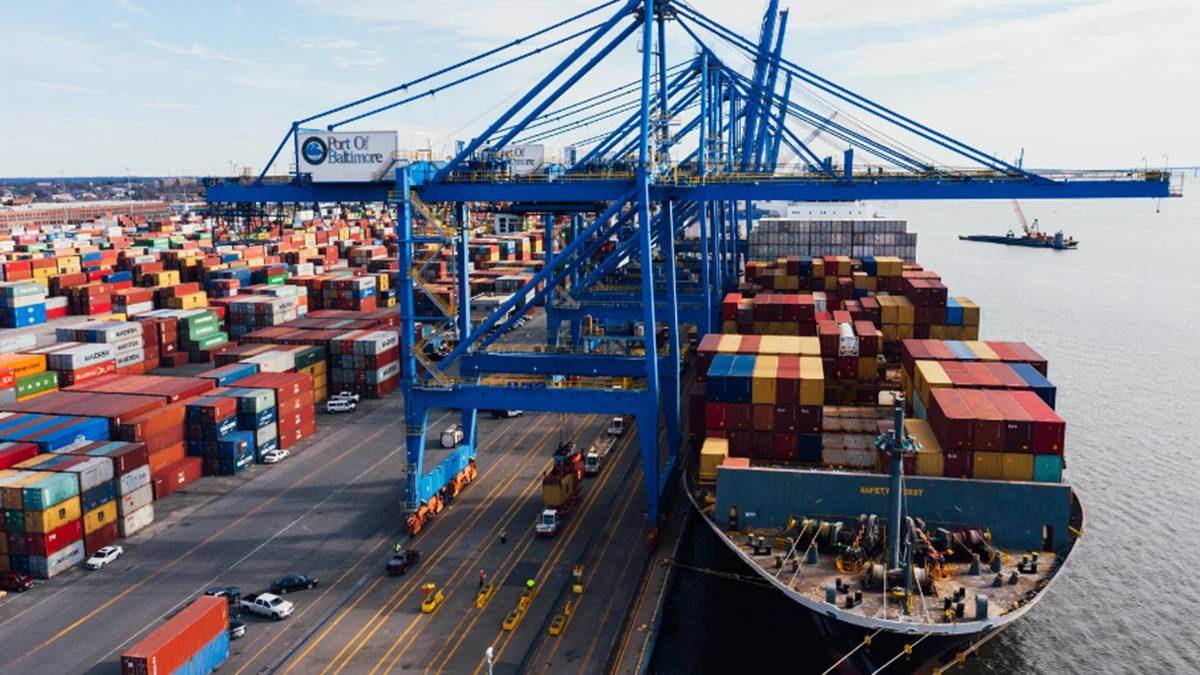
Resilience premium: India should diversify amid supply-chain shocks
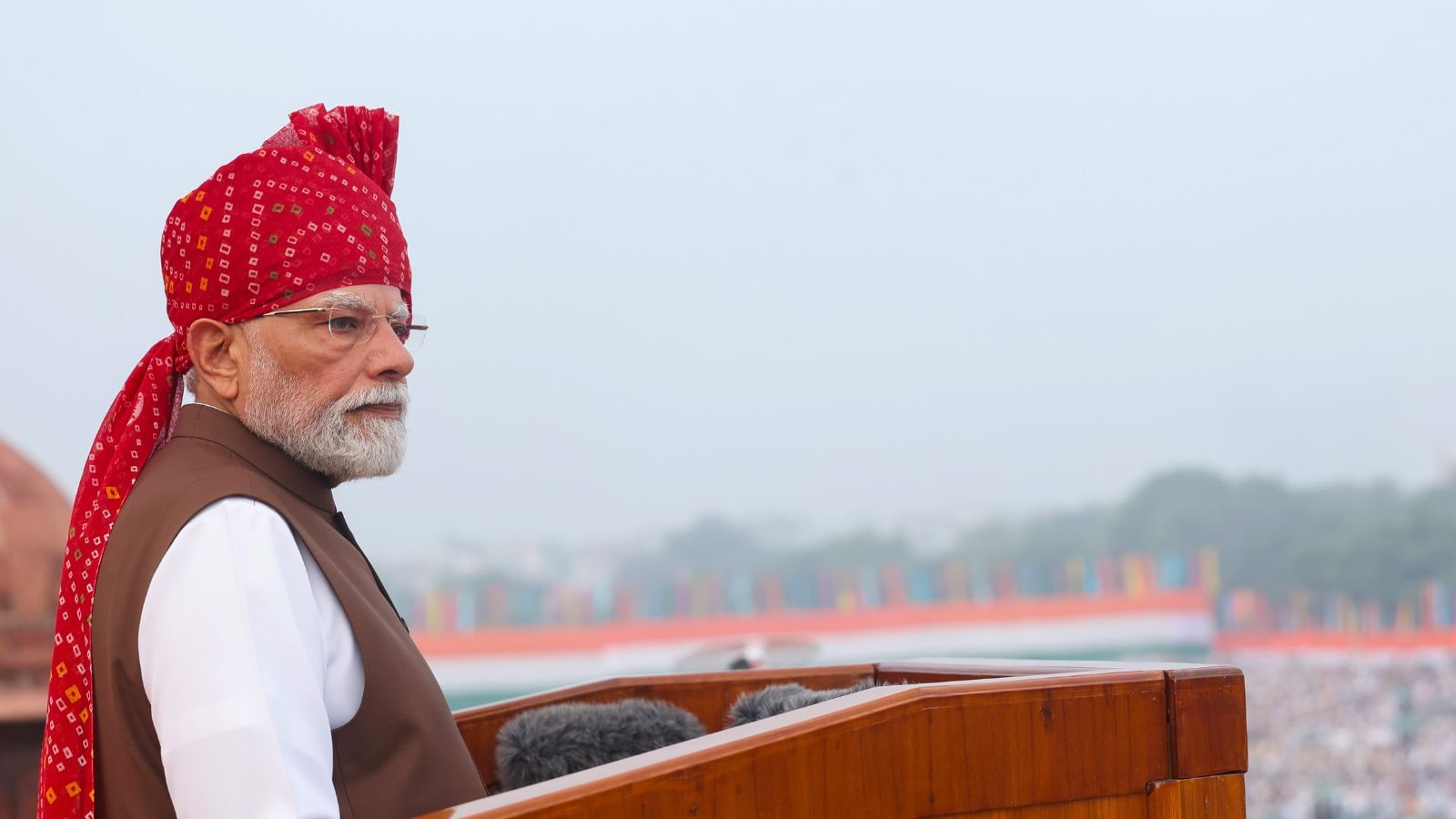
From 'Fragile Five' to world's fastest-growing major economy: Modi

Book Explores Civilisational Forces Behind Bharat’s Economic Rise
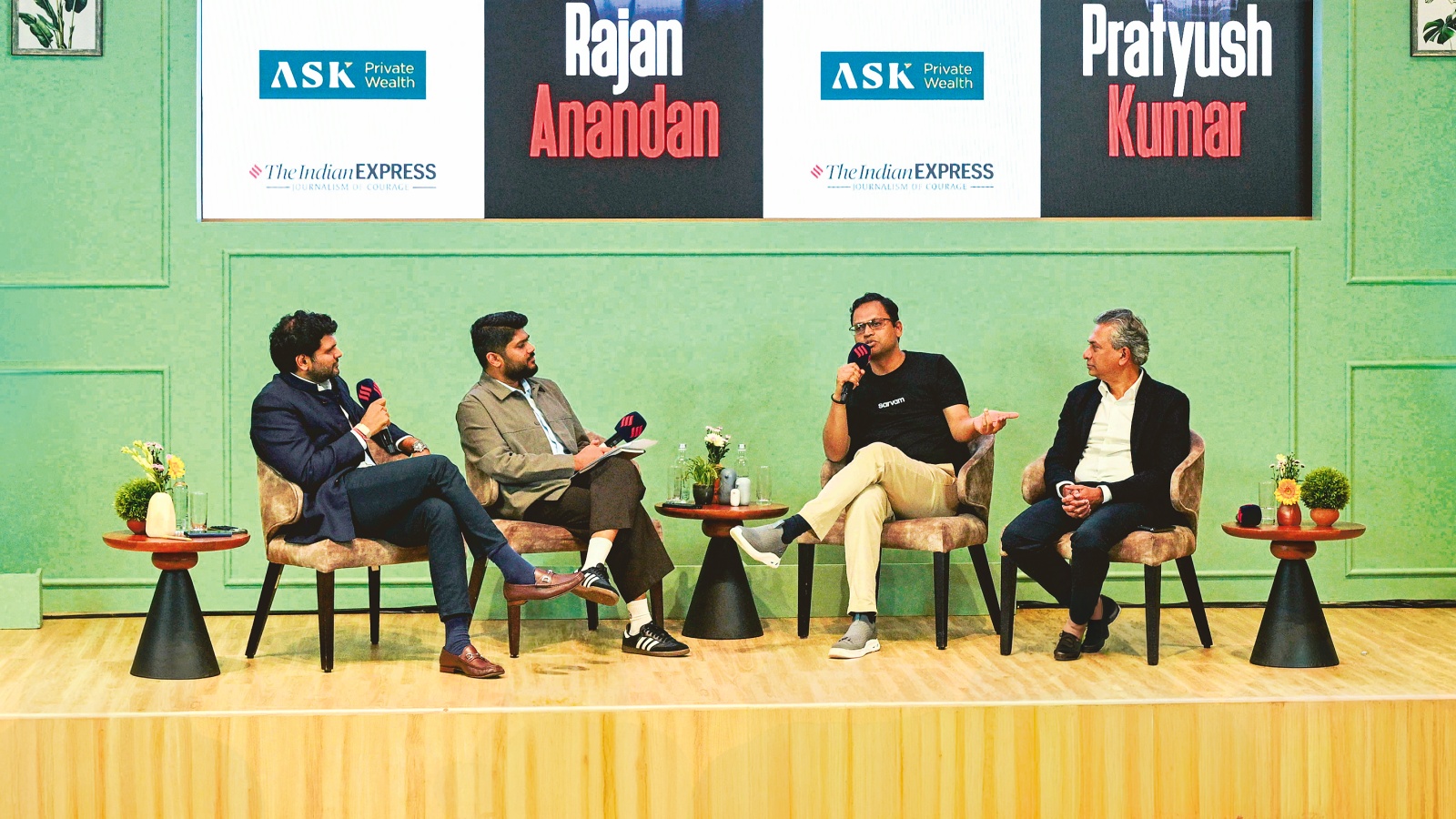
India’s AI Race Gains Momentum, But Jobs Remain Uncertain
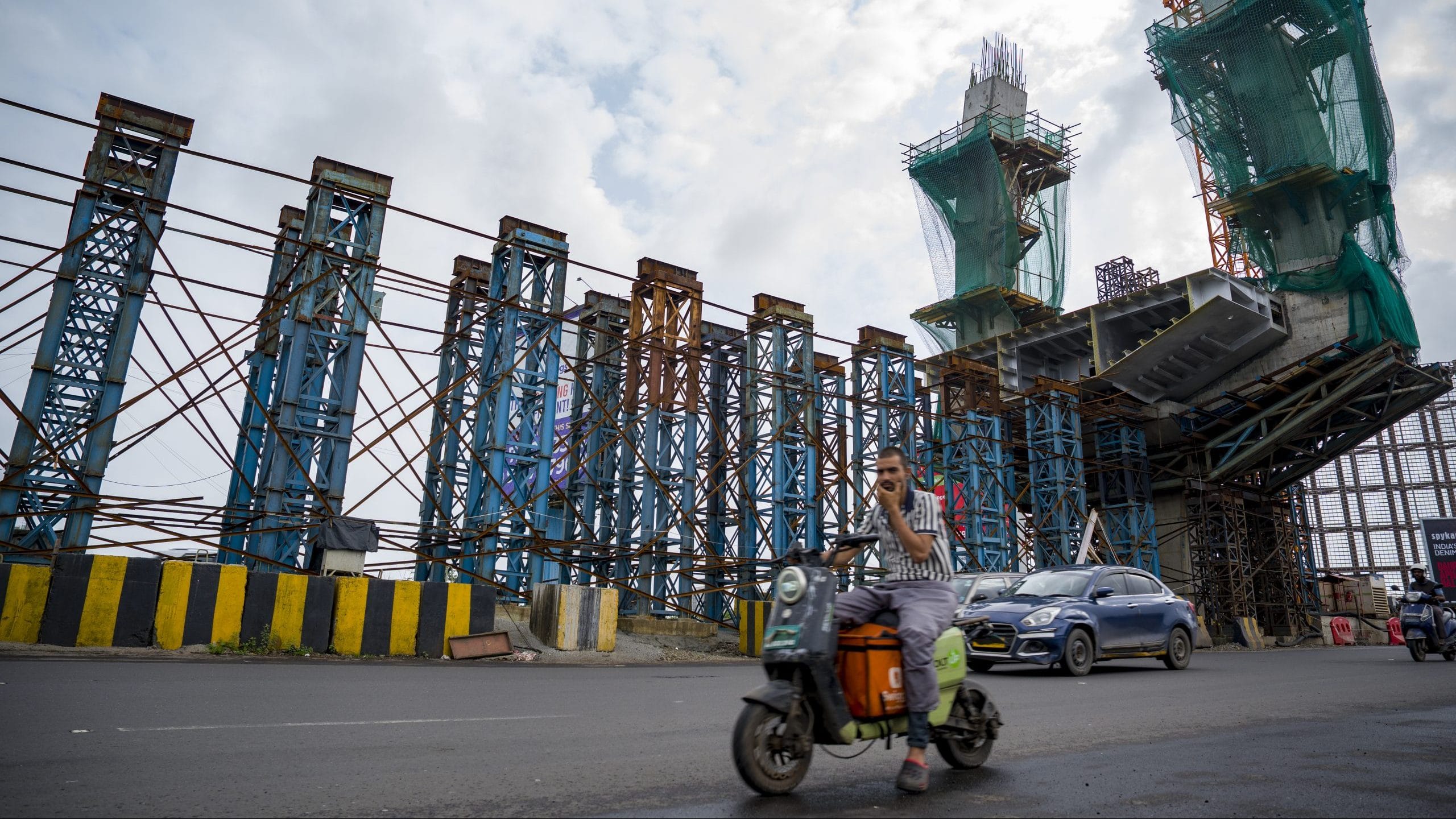
Modi’s Developed-Nation Dream Strains Against India’s Growth Gap
BJP Plans Direct Youth Outreach Through Social Media
Minister urges youth to embrace sports and leadership

Khelo India Samvaad connects shooting champions with Hyderabad youth

Modi government promotes alternatives to government jobs, Singh says
