3 weeks ago
Resilience premium: India should diversify amid supply-chain shocks
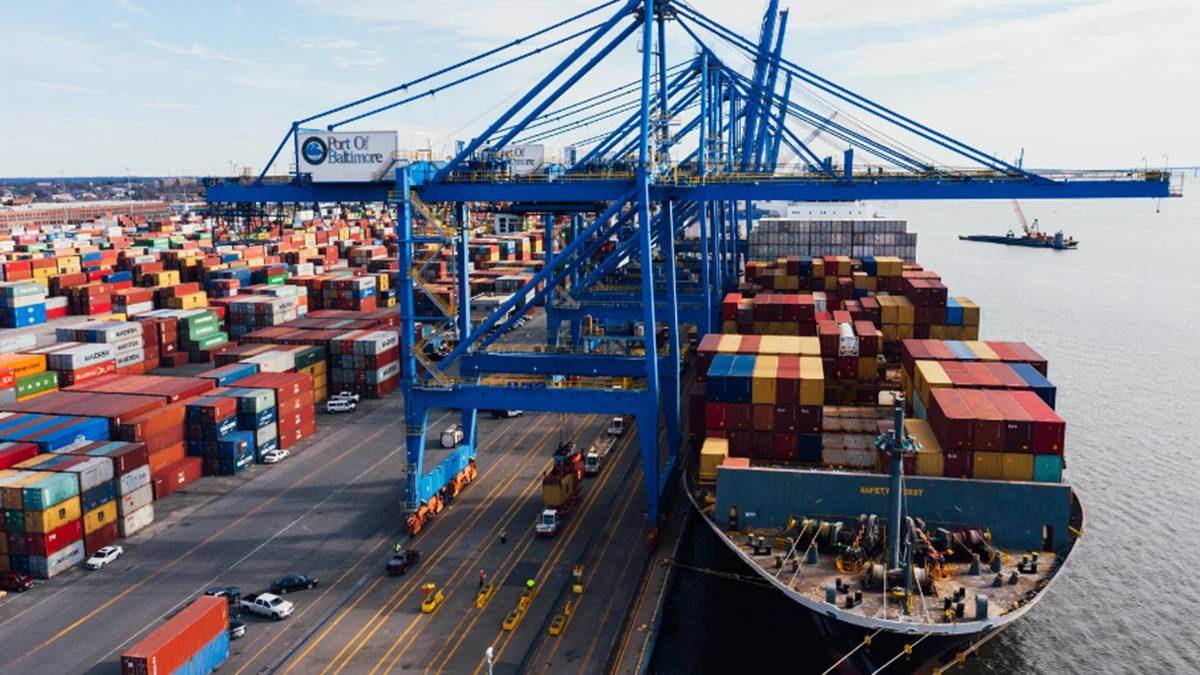
A shop that keeps only a few boxes of cereal and buys the rest from a faraway country because it is the cheapest works fine until the road to that country is blocked.
For a long time, countries and companies worked this way, always choosing the cheapest and fastest option.
But big problems kept happening, like a sickness that spread around the world, wars, and ships that could not pass through some seas.
These problems showed that the cheapest way can break when something goes wrong.
India gets a lot of the oil it needs from ships that pass through a very narrow waterway called the Strait of Hormuz.
When there is trouble near that waterway, the prices of oil and shipping go up, and many people and businesses are affected.
The article says India should prepare for problems by getting oil, minerals and other important goods from several different places, instead of trying to make everything by itself.
Making everything at home would cost too much and hurt trade.
If India is seen as a safe and dependable place to do business, companies from around the world may choose to build and make things there, which is a big opportunity for the country.

The article argues that resilience to supply-chain and geopolitical shocks should be treated as an economic asset, not merely as insurance against rare events.
More than 40% of India's crude oil imports pass through the Strait of Hormuz, one of the world's most sensitive chokepoints.
Recent West Asia tensions have pushed up crude prices, shipping and insurance costs and put pressure on the rupee, adding to imported inflation and a wider current account deficit.
India is advised to pursue diversification rather than autarky, since trying to manufacture everything domestically would raise costs, weaken competitiveness and hurt exports.
India can capture a 'resilience premium' as global companies redesign supply chains around resilience, but only with reliable power, ports, logistics, competitive tariffs and policy stability.
- Who
- India's businesses and policymakers, global companies redesigning supply chains, and economist Saumitra Bhaduri.
- What
- An opinion analysis arguing that resilience to shocks should be treated as an economic asset and that India should pursue diversification rather than self-sufficiency to secure a 'resilience premium.'
- Where
- India, with references to the Strait of Hormuz, the Red Sea and West Asia.
- When
- Not specified in the article; it reflects on past three decades of efficiency-led organisation and the current period of repeated disruptions.
- Why
- Repeated shocks — the pandemic, the Russia-Ukraine war, Red Sea disruptions, tariff conflicts and West Asia hostilities — show that disruptions are now part of the operating environment.
Resilience-first approach
Efficiency-first approach
Preparing for disruptions
Resilience-first approach
Shocks such as pandemics, wars and trade conflicts are now part of the operating environment, so companies and governments should absorb the cost of buffers and redundancy; some redundancy that looks expensive in normal times becomes cheap in a crisis.
Efficiency-first approach
For decades, lean inventories, long supply chains and lowest-cost production maximised returns; eliminating every buffer is efficient when shocks are rare and short-lived.
Domestic capacity vs open trade
Resilience-first approach
Reducing dependence on foreign suppliers — through strategic reserves of LNG, fertilisers and critical minerals, and domestic capacity backed by production-linked incentives — protects India from future chokeholds.
Efficiency-first approach
Self-sufficiency regardless of comparative advantage would raise costs and weaken competitiveness; subsidies cannot indefinitely compensate for weaknesses in the business environment, so diversification rather than autarky is the goal.
Key facts
- India's crude oil route
- More than 40% of India's crude oil imports pass through the Strait of Hormuz
- Effects of recent tensions
- Higher crude prices, higher shipping and insurance costs, pressure on the rupee
- Risks highlighted
- Imported inflation, wider current account deficit, difficult fiscal choices
- Recommended approach
- Diversification, not autarky; selective insurance against critical vulnerabilities
- Suggested strategic reserves
- Liquefied natural gas, fertilisers and critical minerals, beyond crude oil
- Disruptions cited
- Pandemic, Russia-Ukraine war, Red Sea disruptions, tariff conflicts, West Asia hostilities
- Conditions for the 'resilience premium'
- Reliable power, ports and logistics; competitive tariffs; predictable taxation and regulation; policy stability
- Economist quoted
- Saumitra Bhaduri, who warned the next chokehold may be technological rather than geographical
Sources
Related news

West Asia War Raises Costs and Complicates India’s Logistics

Why India Is Becoming Central to Global Industrial Competitiveness

PM Modi Warns of Weaponisation of Fuel, Fertilisers and Medicines

PM Narendra Modi urges energy self-reliance amid resource weaponisation warnings
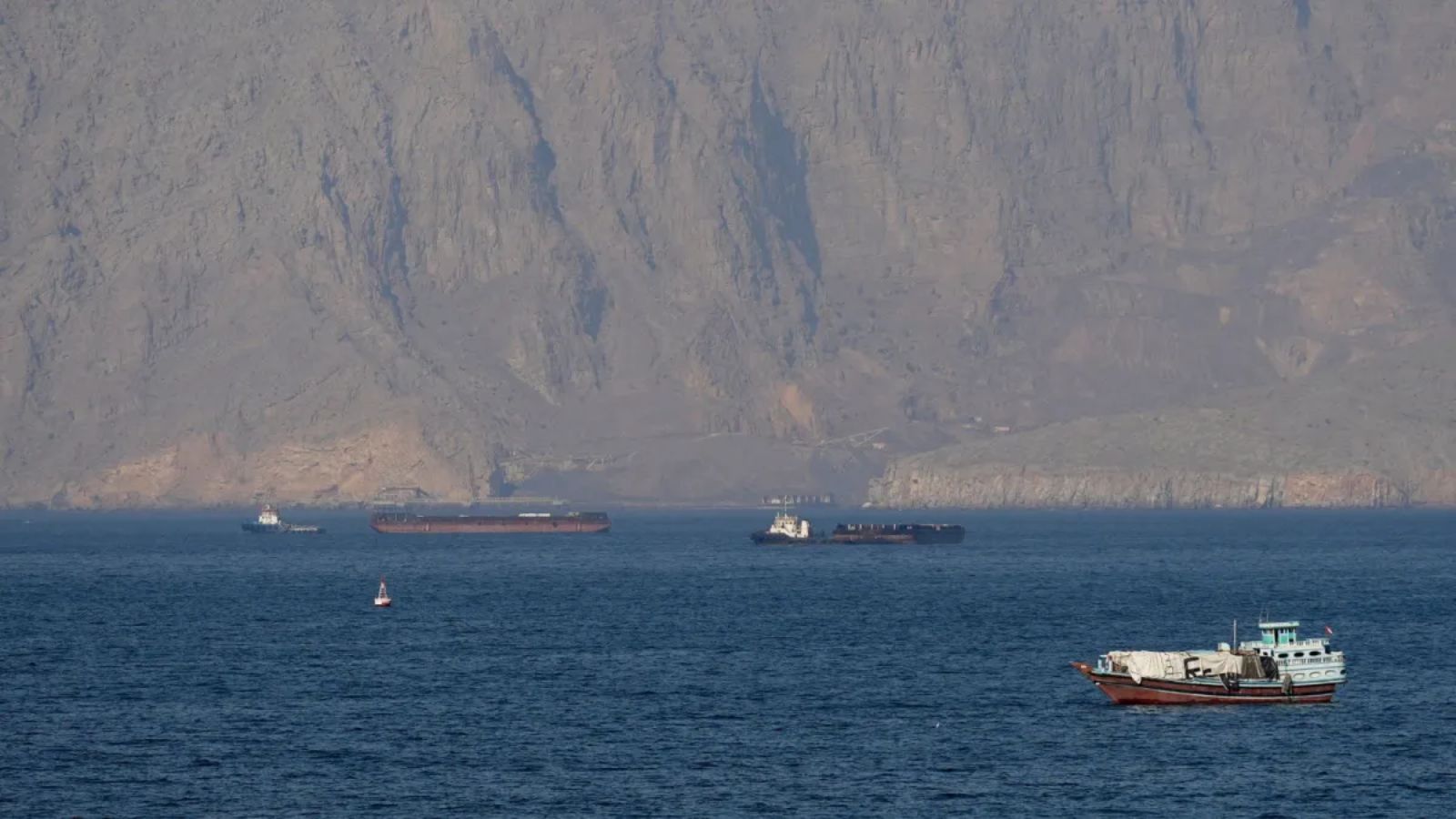
India's diversification doesn't mean safety as oil routes tighten

Saudi Arabia Says Iranian Tanker Attack Killed Two Sailors
U.S.-Iran Exchange Escalates Across Middle East, Markets Slide

Trump Aides Seek Quiet Iran War Before Midterm Elections

US Warns Middle East Travelers Amid Escalating Iran-Linked Tensions

Indian Stocks Slide as Oil, Conflict and Yields Rise