

1 week ago
India’s AI Race Gains Momentum, But Jobs Remain Uncertain
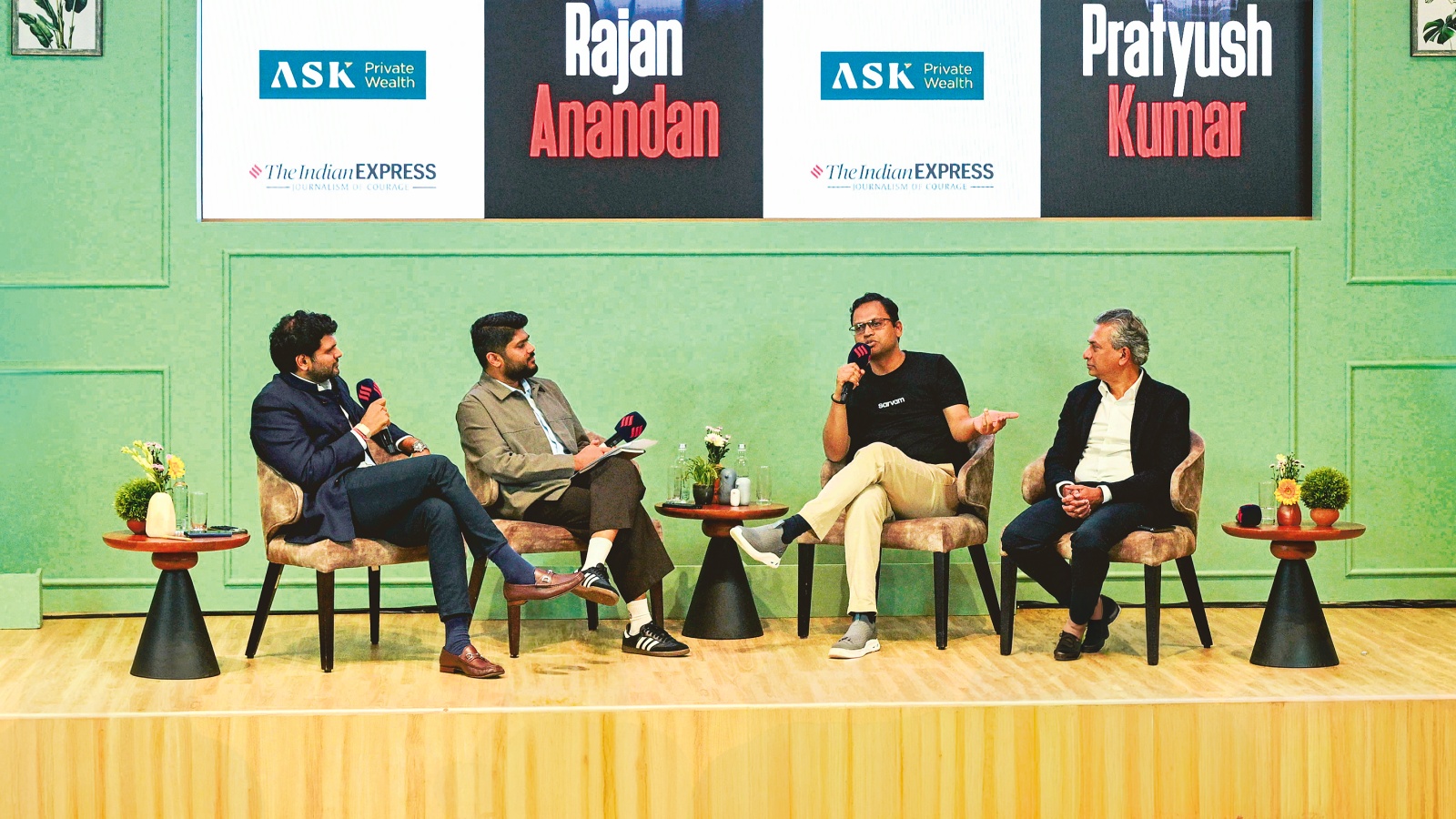
Two AI experts discussed whether India can become a major country in artificial intelligence.
They said India is only beginning its AI journey, even though many companies are now investing heavily.
Indian teams are building their own AI models, including models designed to be cheaper and useful for local languages and businesses.
The experts believe India may do well by making smaller models for specific jobs instead of trying to build the biggest model in the world.
They said India has opportunities in energy, data centers, software and AI applications, but still needs better computer chips and more companies.
They also said the result of India’s AI efforts may not be clear for another eight to ten years.
AI could help people use technology more easily, but it may also automate many routine jobs.
Workers and schools will need to adapt through reskilling and upskilling.
The experts said India must move quickly so it does not miss another major industrial change.

Rajan Anandan said 2026 marks India’s entry into the AI race, with more than $400 billion in announced AI-related capital expenditure.
Indian ground-up models, including Sarvam and BharatGen, have begun launching as computing capacity expands.
The experts argued that smaller, cheaper models optimized for specific languages and uses could compete with global frontier systems.
They identified power, chips, data centers, infrastructure, models and applications as critical layers where India must build capability.
They warned that AI could displace routine work, making reskilling essential as India seeks to create 100 million jobs over eight years.
- Who
- AI experts Pratyush Kumar and Rajan Anandan, interviewed by Anant Goenka and Soumyarendra Barik.
- What
- They discussed India’s prospects in AI, smaller domestic models, infrastructure, technological sovereignty and employment.
- Where
- The conversation took place at an Adda event in Mumbai, while also referring to the AI summit in Delhi.
- When
- The discussion focused on 2026, which Anandan described as the year India entered the AI race, with the experts projecting an eight-to-10-year timeframe for judging its outcome.
- Why
- India is increasing investment and developing AI capabilities, while facing competition, infrastructure gaps and the risk of job displacement.
Opportunity and Optimism
Risks and Constraints
India’s ability to compete
Opportunity and Optimism
Kumar said India will win in AI because it is a horizontal technology, while Anandan pointed to rising investment, domestic models and application-level innovation.
Risks and Constraints
The experts acknowledged that the United States and China dominate much of the capital, expertise and computing capacity, while India remains early in chips and needs more companies across the AI stack.
Large versus smaller models
Opportunity and Optimism
The experts argued that affordable models under 100 billion parameters could meet 90–95 percent of many companies’ AI needs and compete through specialization.
Risks and Constraints
Global frontier laboratories are pursuing much larger models, and Indian model companies still face intense competition from the best-funded international firms.
AI and employment
Opportunity and Optimism
Anandan said AI transformation could create substantial new work and make IT services valuable as enterprises seek help adopting AI.
Risks and Constraints
Both experts warned of significant dislocation, including automation of routine call-center work, and said institutions may not adapt quickly enough without large-scale reskilling.
Key facts
- Announced AI capital expenditure
- More than $400 billion, according to Rajan Anandan.
- Government AI funding
- The India AI Mission has established a fund of Rs 10,000 crore, according to Pratyush Kumar.
- Indian AI models
- Sarvam has launched models trained from the ground up in India, and BharatGen has been developed at IIT Bombay.
- Model cost comparison
- Kumar said Sarvam models are five times cheaper than GPT mini and nine times cheaper than Gemini Flash.
- Critical AI layers
- The experts identified energy, chips, data centers, infrastructure, models and applications as key layers.
- Employment challenge
- Anandan said 12 million Indians enter the workforce annually and India needs to create 100 million jobs in eight years.
- AI timeline
- Anandan said the verdict on India’s AI competitiveness will come in roughly eight to 10 years.
Quotes
Pratyush Kumar
AI expert discussing India’s prospects across the AI technology stack
“The verdict on whether India has a game in AI or not will come eight to 10 years from now.”
 indianexpress.com
“You can build almost all of what India needs with smaller, affordable models.”
indianexpress.com
Sources
Related news
Sarvam’s $10 Billion AI Bet Faces Frontier Test

Sarvam AI's India moment: trillion-parameter model, Nvidia-backed funding
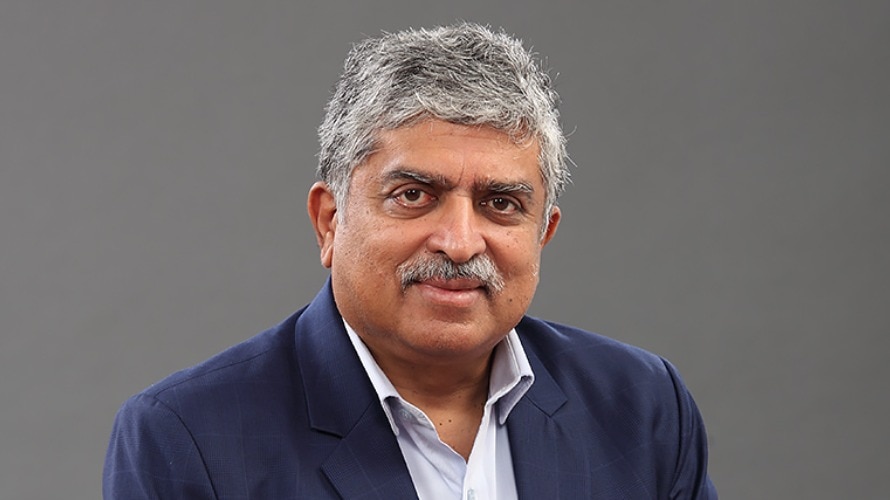
Nandan Nilekani says India can become AI use case capital
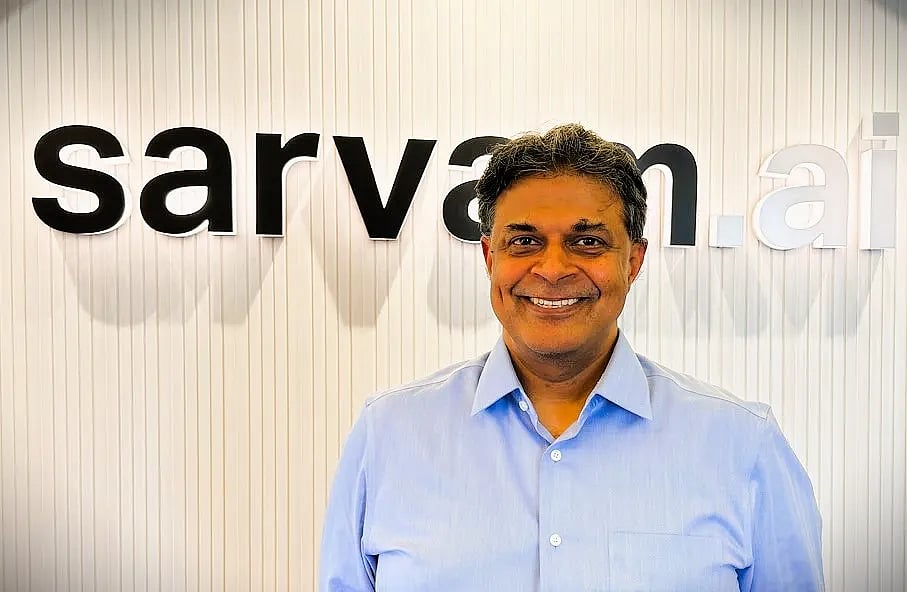
Vivek Raghavan Named Among TIME’s 100 AI Leaders

IndiGo Ventures Invests in Sarvam AI for Aviation Innovation
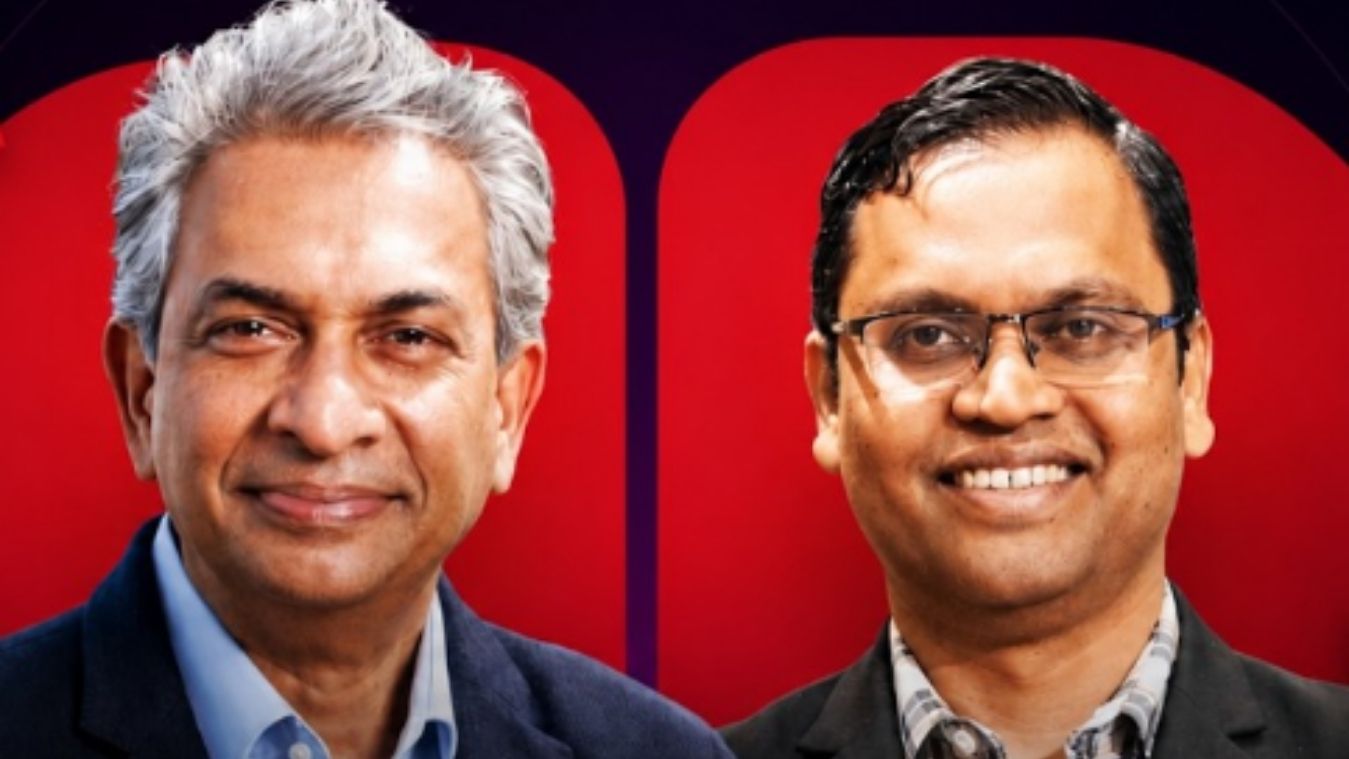
India's AI Future Discussed by Anandan, Kumar on Express Adda
