3 days ago
Modi’s Developed-Nation Dream Strains Against India’s Growth Gap
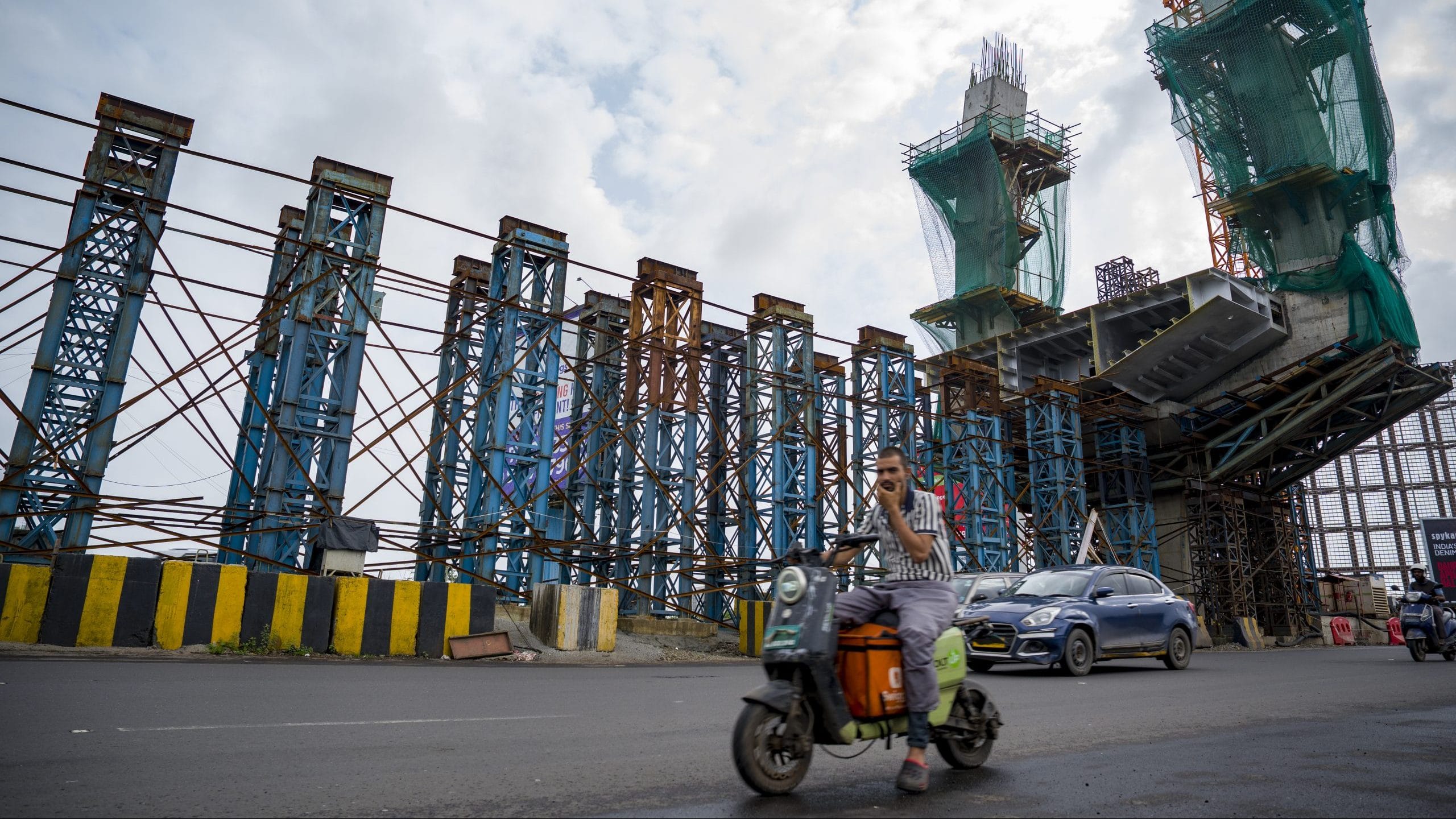
Prime Minister Narendra Modi wants India to become a developed country by 2047.
This plan is called Viksit Bharat, which means Developed India.
India’s economy is growing quickly, but experts say it needs to grow even faster for many years.
They estimate that growth would need to average about 9.25% each year.
India has rarely grown that fast in the past.
Experts also worry that there are not enough well-paying jobs and that private companies are not investing enough.
India wants factories to make up 25% of the economy, but manufacturing has stayed near 16%-17%.
Better skills, more factories and more investment could help.
Without those changes, economists say the 2047 goal may be difficult to achieve.

India would need average annual growth of about 9.25% for 21 years to become developed by 2047, according to Ashok Lahiri.
The economy likely grew 7.3% year-on-year last quarter, down from 7.8% in the previous quarter.
India’s growth averaged 6.3% from 2000 to 2024, and reached at least 9.25% only three times in 50 years.
Economists cite weak private investment, economic vulnerabilities, stagnant manufacturing and inadequate quality jobs as major obstacles.
Manufacturing accounts for about 16%-17% of GDP, below the government’s 25% target, while nearly 87 million young Indians were outside work, education or training.
- Who
- Prime Minister Narendra Modi, Indian policymakers and economists assessing India’s development prospects.
- What
- India is pursuing the Viksit Bharat goal of becoming a developed nation by 2047, but economists say current growth and investment trends may be insufficient.
- Where
- India.
- When
- The target is 2047; the article was published on August 30, 2026, with quarterly growth data expected that day.
- Why
- The goal requires sustained growth, higher per-capita income, stronger manufacturing, more private investment and better-quality jobs.
Government Ambition
Economists’ Concerns
Growth outlook
Government Ambition
The government is advancing Viksit Bharat and promoting India’s growth story to investors, with a current potential growth rate of about 7.5%-8%.
Economists’ Concerns
Economists say even growth above 7% may be insufficient because the 2047 objective requires roughly 9.25% annual growth for 21 years.
Manufacturing strategy
Government Ambition
The Modi government aims to raise manufacturing’s share of GDP to 25% and is seeking international investment in the sector.
Economists’ Concerns
Manufacturing has remained near 16%-17% of GDP for more than a decade, and India accounts for less than 2% of global goods exports, compared with China’s more than 14%.
Investment and jobs
Government Ambition
Officials are pursuing reforms and presenting India’s growth prospects to investors from the United States, Canada and Japan; India has also attracted record foreign direct investment.
Economists’ Concerns
Economists say India has struggled to retain foreign investment, private investment remains weak and the economy lacks enough quality jobs for its young workforce.
Key facts
- Development target
- India aims to become a developed nation by 2047, the centenary of its independence from British rule.
- Required growth
- Ashok Lahiri estimates that India would need average annual growth of about 9.25% for 21 years.
- Latest projected growth
- The economy was expected to expand 7.3% year-on-year in the latest quarter, compared with 7.8% previously.
- Historical growth
- Growth averaged 6.3% between 2000 and 2024; growth of at least 9.25% occurred three times in the past 50 years.
- Income threshold
- Per-capita income was $2,813 in 2025 and would need to rise more than sixfold to about $18,000 by 2047.
- Manufacturing target
- Manufacturing has remained around 16%-17% of GDP for more than a decade, compared with the government’s 25% aim.
- Youth employment challenge
- A NITI Aayog report based on 2021 surveys found nearly 87 million Indians aged 15 to 29 were neither working nor in education or training.
Quotes
Alexandra Hermann Prasad
London-based economist with Oxford Economics
“Given India’s macroeconomic stability and a government that claims to be reform-oriented, the key questions to be asked are why has the investment cycle remained at nascent stages for years now and why is net FDI close to zero. Why aren’t there nearly enough jobs to cater to a young, growing workforce?”
 thehindubusinessline.com
 theprint.in
“would require an exceptionally strong and sustained acceleration in growth, which will become increasingly difficult as the economy expands and the base becomes larger”
thehindubusinessline.com
Sources

Related news

India's Economic Growth Targets Viksit Bharat Dream
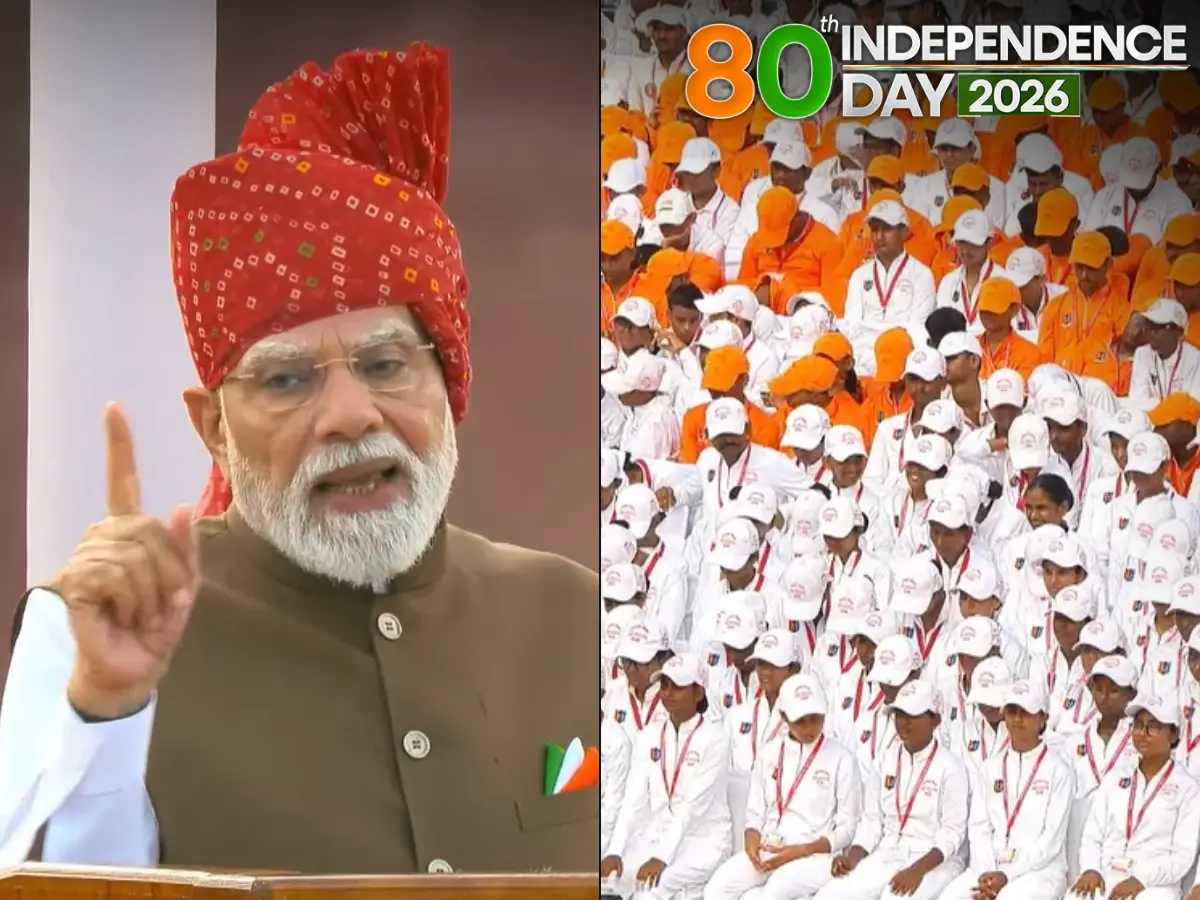
PM Modi vows Viksit Bharat by 2047 in I-Day address
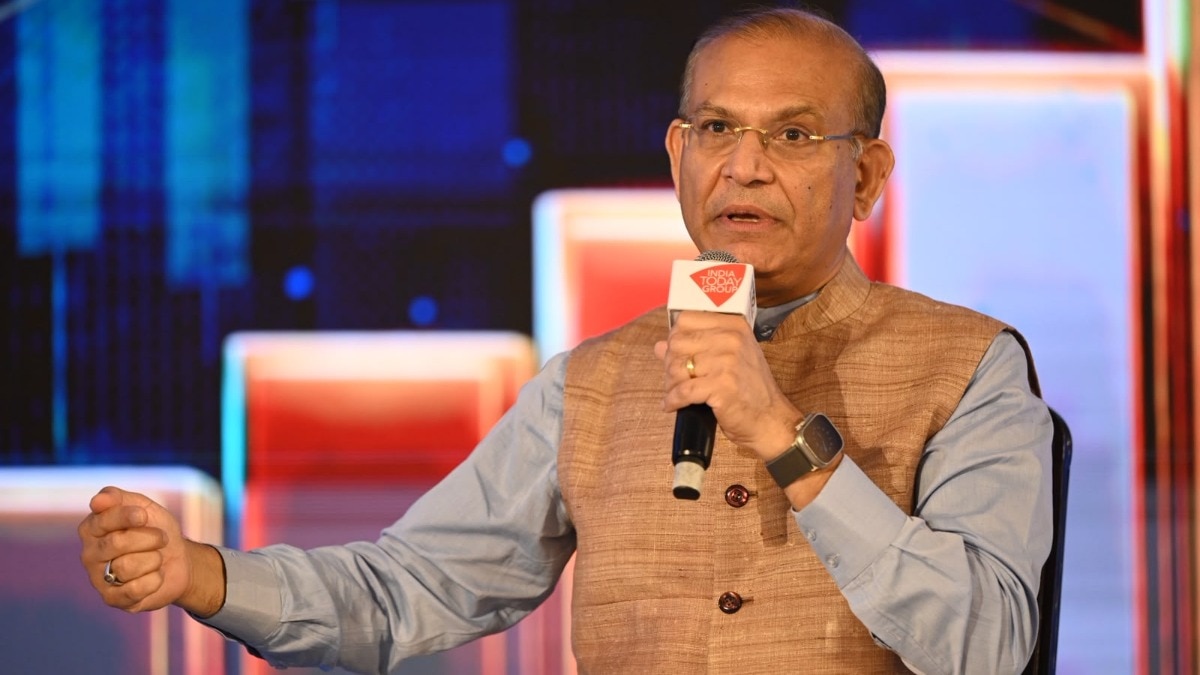
India’s $30 Trillion Goal Requires Faster Growth, Investment

India’s FY26 Growth May Near 7%, Exceeding RBI Forecast

PM vows to develop India by 2047 in I-Day speech

India needs $10 trillion GDP to achieve Viksit Bharat 2047

Bank of America Vice President Killed in Times Square Stabbing

Times Square Stabbing Leaves One Dead; Suspect Had Ominous Posts

Social Media Posts Preceded Fatal Times Square Stabbing Rampage

Times Square Stabbing Kills Bank Executive as Police Shoot Suspect

Beyond Nvidia, power and cooling firms benefit from data-centre boom