2 weeks ago
Rajya Sabha Passes Amendment Bill Curbing States' Mineral Taxes
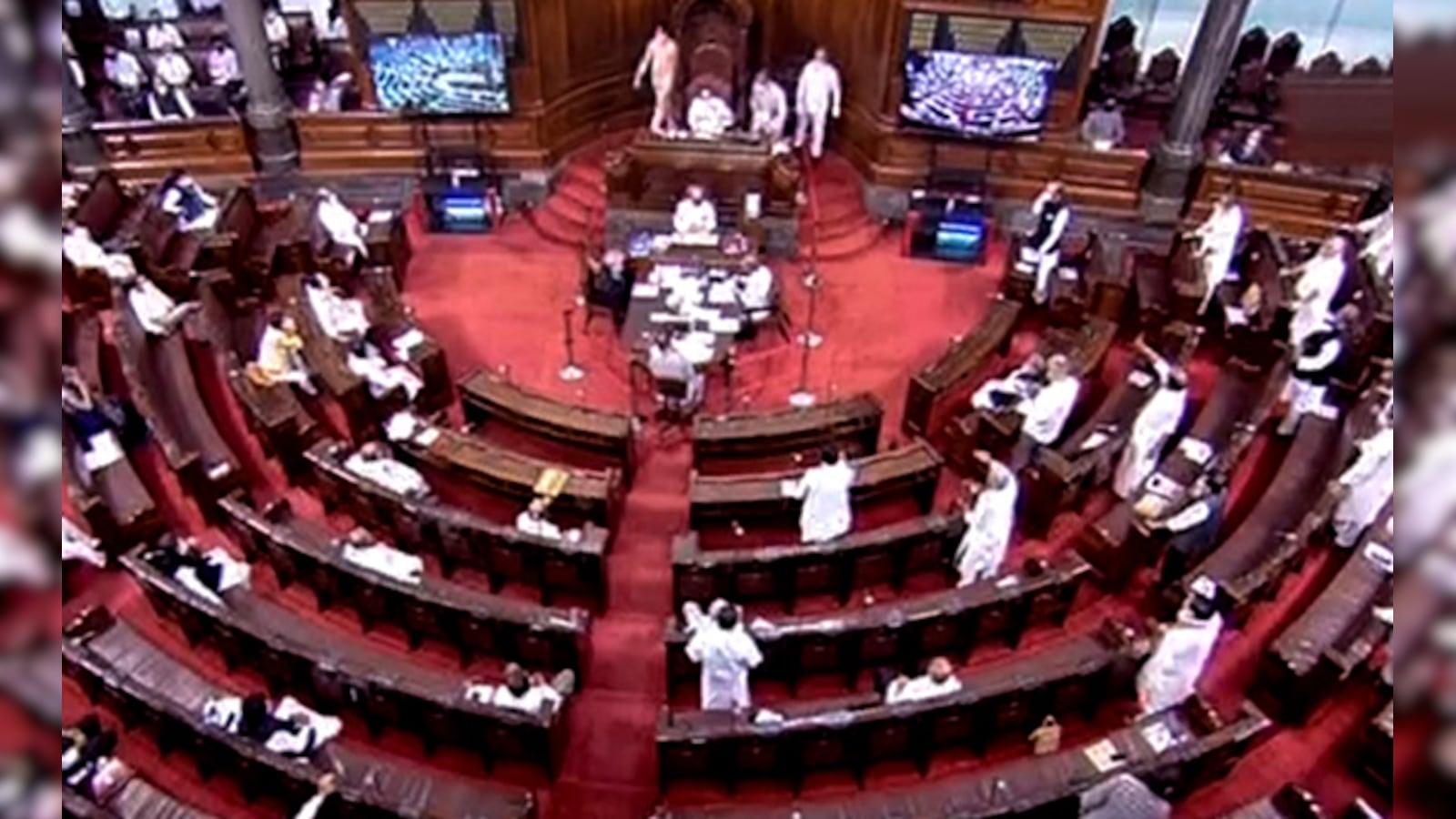
India has a central government and smaller state governments.
The country's leaders meet in two big groups, called the Rajya Sabha and the Lok Sabha.
Recently, both groups said yes to a new rule about minerals, which are things dug from the ground like coal and iron.
The rule lets the central government decide taxes on the most important minerals.
The state governments can still make rules for 49 smaller minerals.
The government says this will make mineral taxes the same all across the country.
Coal matters a lot because it makes 73 percent of India's electricity.
The mining minister said states now get a bigger share of the money from minerals than before.
Some leaders were unhappy and protested, but the rule was still passed.
It will become a law after the President of India signs it.

The Rajya Sabha passed the Mines and Minerals (Development and Regulation) Amendment Bill, 2026, on Thursday, after the Lok Sabha cleared it on Wednesday.
The bill restricts states' powers to levy taxes on mineral rights and mineral-bearing lands, and will become law after the President's assent.
Mines Minister G Kishan Reddy said the Centre will regulate major minerals like coal, limestone, iron ore, copper and manganese, while states retain 49 minor minerals.
Reddy said states' mineral revenue share rose from 65% to 85% and coal revenue share from 51% to 96% since 2014-15, asserting no state will lose revenue.
Opposition MPs protested with slogans over police action against students at Jantar Mantar and Amit Shah's absence; a DMK amendment by Trichi Siva to refer the bill to a select committee was negated by voice vote.
- Who
- Parliament of India, with Mines Minister G Kishan Reddy defending the bill; Opposition MPs protested during the debate.
- What
- Passed the Mines and Minerals (Development and Regulation) Amendment Bill, 2026, restricting states' powers to levy taxes on mineral rights and mineral-bearing lands.
- Where
- Rajya Sabha, the Upper House of Parliament, in India.
- When
- Thursday (Rajya Sabha); the Lok Sabha had passed the bill on Wednesday, during the monsoon session.
- Why
- To ensure uniform mineral rates across the country and support power generation and industrial competitiveness, as coal supplies 73% of India's electricity.
Opposition's View
Government's View
States' tax powers
Opposition's View
The bill curbs states' powers to tax mineral rights and mineral-bearing lands, weakening state autonomy over mineral revenues.
Government's View
The bill does not interfere with states' autonomy or revenue rights; it ensures uniform mineral rates, and states' revenue shares have risen to 85% of mineral and 96% of coal revenue.
Parliamentary process
Opposition's View
Opposition MPs wanted the bill referred to a select committee and a division of votes, but both were denied amid the din, truncating debate.
Government's View
The bill was debated and passed by voice vote, completing the parliamentary approval process; Chairman C P Radhakrishnan said a division of votes could not be taken amid the din.
Key facts
- Bill
- Mines and Minerals (Development and Regulation) Amendment Bill, 2026
- Status
- Passed by both Houses; awaits President's assent
- Lok Sabha passage
- Wednesday
- Rajya Sabha passage
- Thursday
- Centre-regulated major minerals
- Coal, limestone, iron ore, copper, manganese
- Minor minerals under states
- 49
- Coal share of India's electricity
- 73%
- States' revenue shares
- 85% of mineral revenue (up from 65%); 96% of coal revenue (up from 51%)
Sources
Related news
Parliament Passes Mines and Minerals Amendment Bill Curbing State Levies

India Bill Bars States From Taxing Mines and Mineral Rights
India's mining tax overhaul reignites Centre-state tussle over revenue
Parliament passes Minerals Bill barring state taxes on mineral leases
India Bill Bars States From Taxing Mineral Rights and Land
Parliament passes mineral bill limiting state taxes on mining resources
Congress Backs Rahul Gandhi Over Vijay for 2029 PM

Tamil Nadu Moves to Withdraw Farmers’ and Teachers’ Protest Cases
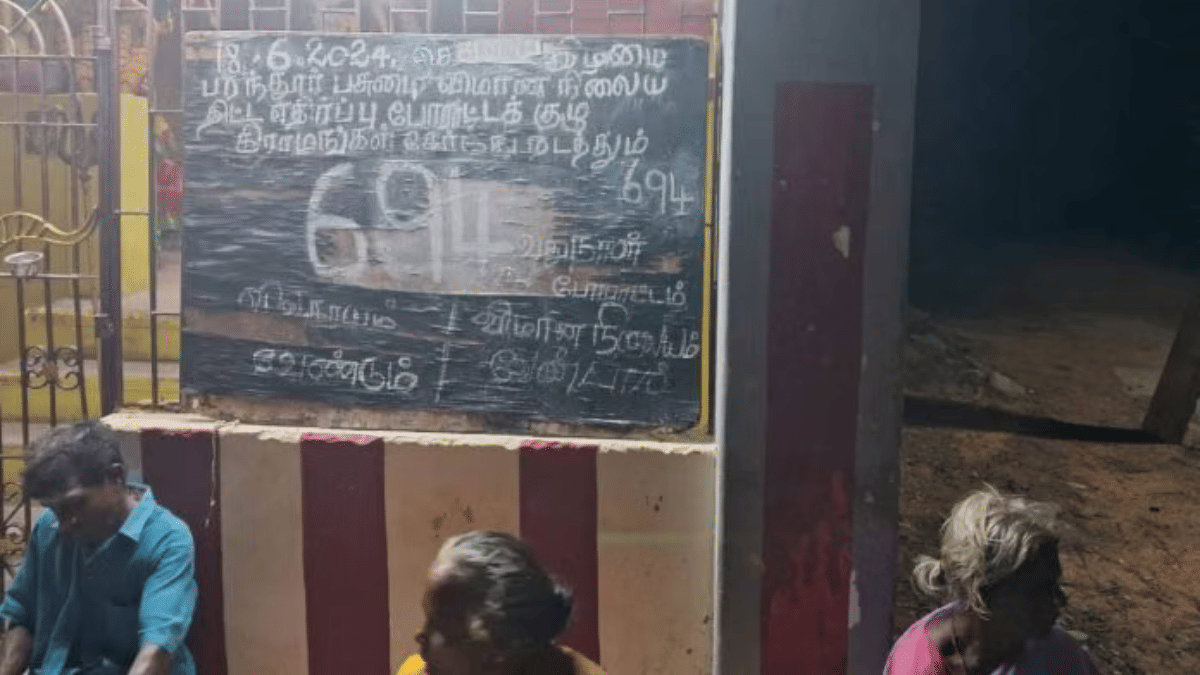
Vijay Government to Withdraw Cases Against Farmers, Teachers
Tambaram Councillors Flag Water, Drainage and Civic Inaction

DMK Escalates Jibes at Vijay Ahead of London Visit