4 hrs ago
Prepuberty Symptoms May Predict Risk of Painful Periods
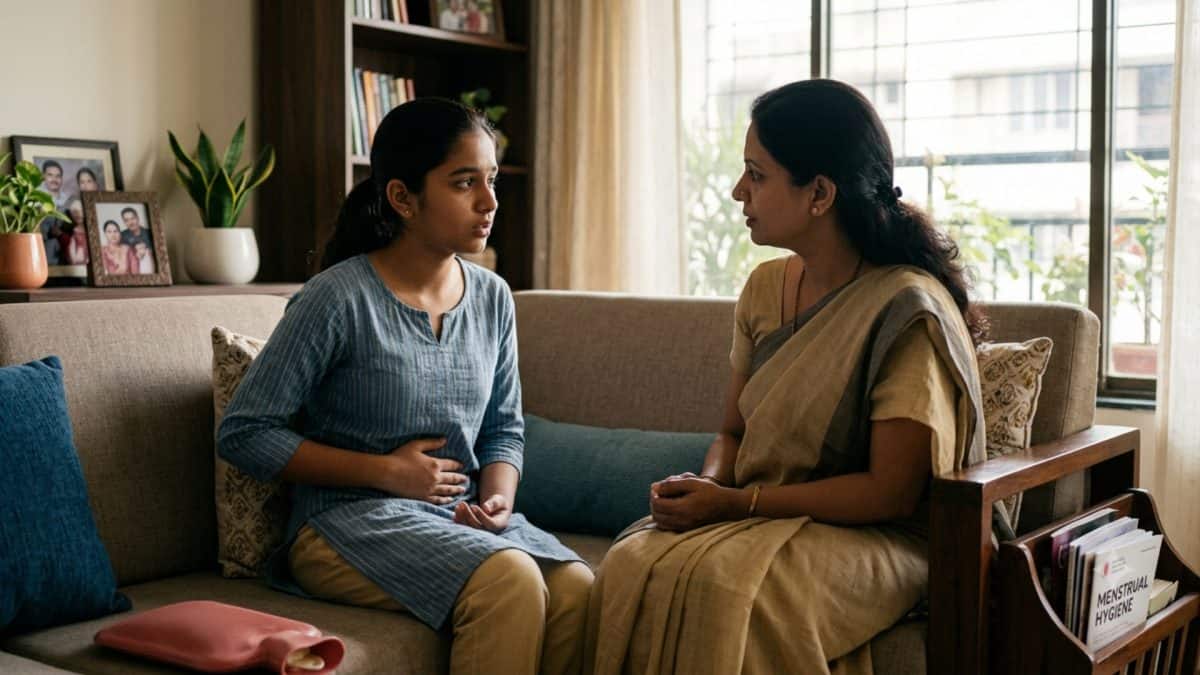
Researchers studied girls before they had their first periods.
They found that more than half later developed painful periods.
Girls who had nausea or dizziness, or signs of puberty starting early, were more likely to have period pain later.
Some girls also had severe pain that could affect school, exercise, sleep, or daily life.
Black and Hispanic girls in the study had higher odds of painful periods than the comparison groups.
The study did not explain why these differences occurred.
Doctors say serious pain should not simply be treated as something every girl must endure.
Painful periods do not automatically mean a girl will develop endometriosis, but early medical attention may help.

A study followed 2,254 girls aged nine to 10 who had not begun menstruating.
By ages 12–13, 57.6% had developed dysmenorrhoea, and 19% of those cases were severe.
Nausea, dizziness, and earlier signs of puberty were linked to a higher later risk of painful periods.
Black adolescents had 38% higher odds and Hispanic adolescents 34% higher odds than comparison groups.
Experts say severe or persistent menstrual pain should be evaluated rather than dismissed as normal.
- Who
- Researchers studying 2,254 girls in the US Adolescent Brain Cognitive Development study, along with adolescent-health experts including Dr Geeta Chadha.
- What
- The study examined whether symptoms and puberty signs before menstruation could predict later dysmenorrhoea, or painful periods.
- Where
- The research used participants in the United States; Dr Geeta Chadha works at Indraprastha Apollo.
- When
- The girls were assessed at ages nine to 10 and followed for about three years, until ages 12–13.
- Why
- The findings could help identify girls at higher risk and encourage earlier evaluation of severe or persistent menstrual pain.
Key facts
- Study source
- The Lancet Child & Adolescent Health
- Participants
- 2,254 girls who had not yet begun menstruating
- Age at initial assessment
- Nine to 10 years
- Later dysmenorrhoea rate
- 1,299 girls, or 57.6%, developed painful periods by ages 12–13
- Severe cases
- 247 girls, or 19% of those with dysmenorrhoea, reported severe pain
- Linked prepuberty symptoms
- Nausea, dizziness, and signs such as breast development, body hair, or a growth spurt
- Clinical message
- Severe or persistent period pain should be evaluated, especially when it disrupts daily activities
Quotes
Geeta Chadha
Senior gynaecologist at Indraprastha Apollo who treats women and adolescents
“When a young girl comes to me with painful periods, one of the first things I look at is her nutrition. I advise her to eat well, exercise, and make sure she is getting adequate nutrients.”
 firstpost.com
“We can’t keep telling young girls that painful periods are something they just have to live with. If a young girl has severe or persistent period pain, she should be evaluated.”
firstpost.com
Sources
Related news
AIIMS Screening Finds Menstrual Irregularity Among Nearly One-Fifth of Schoolgirls
Smartphone Ownership at 12 Linked to Later Eating Disorder Symptoms

Indian Genome Study Advances Research Into Endometriosis Diagnosis
Indian Genome Study Finds Genetic Clues to Endometriosis
Why Women’s Pain Still Goes Unheard in Medicine

India's Adolescent Nutrition Crisis Starts Long Before Pregnancy
Why Brain Haemorrhage Recovery Can Take Months After Survival
Infected Pacemaker Replaced With Leadless Device, Helping Patient

Foods and Drinks That Can Interfere With Antibiotics

Apollo Nellore Reports Successful Care For 700-Gram Infant