1 hr ago
Why Brain Haemorrhage Recovery Can Take Months After Survival
Emilia Clarke had two brain haemorrhages and needed surgery after the first one.
Surviving the emergency did not mean her brain had fully healed.
Blood and swelling can continue to affect the brain for days after a haemorrhage.
Doctors often see recovery begin after these early dangers settle, sometimes around 10 to 14 days later.
Different parts of the brain control different jobs, such as walking, speaking, remembering and balancing.
This is why two people with similar injuries can recover differently.
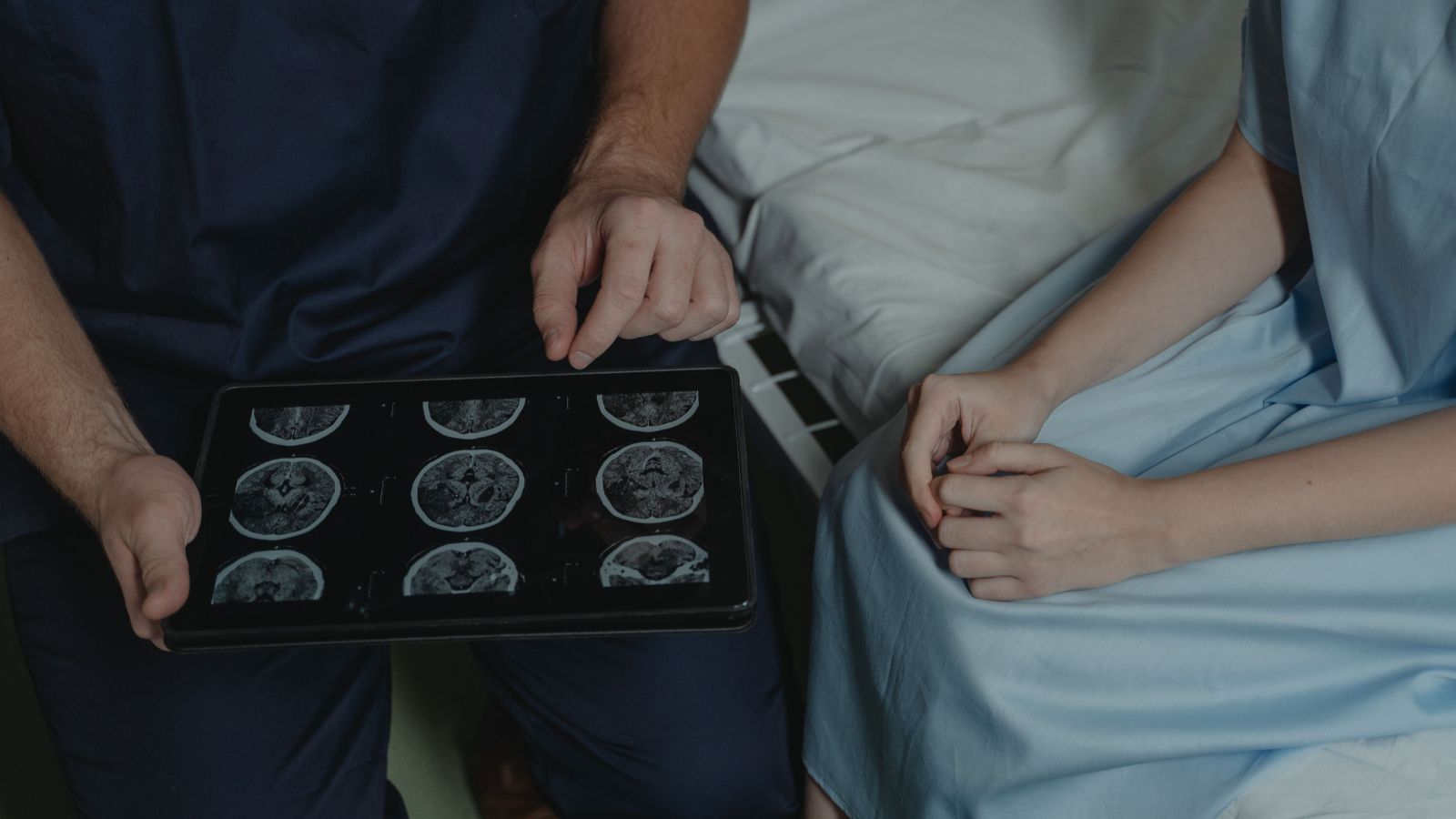
Brain scans can look better even while a person still has difficulties in daily life.
Exercises and therapies can help the brain regain skills.
Recovery may continue for weeks, months or sometimes longer.

Emilia Clarke survived brain haemorrhages at ages 24 and a few years later, but experienced speech and memory problems.
After bleeding is controlled, patients may still face swelling, pressure and further neurological damage.
Recovery often begins around 10 to 14 days after the haemorrhage, although timing varies.
The haemorrhage’s location, size and effects on brain pathways can shape symptoms and recovery.
Physiotherapy, speech therapy and occupational therapy may help recovery continue for months or longer.
- Who
- Actor Emilia Clarke and people recovering from brain haemorrhages; Dr Vinit Suri provided medical explanations.
- What
- The article explains why surviving and becoming medically stable after a brain haemorrhage does not mean full functional recovery.
- Where
- The medical explanation was provided by Dr Vinit Suri of Indraprastha Apollo Hospital in Delhi.
- When
- Clarke suffered her first haemorrhage at age 24 and a second one a few years later; recovery may continue for weeks or months.
- Why
- Recovery takes time because bleeding, swelling and injury can affect different brain functions and pathways.
Key facts
- Patient discussed
- Emilia Clarke
- First haemorrhage
- Occurred when Clarke was 24
- Second haemorrhage
- Occurred a few years after the first
- Early risk period
- The haematoma may expand during the first 1 to 3 days
- Swelling period
- Oedema may cause worsening from around the third to the tenth day
- Typical recovery beginning
- Recovery may begin around 10 to 14 days after the haemorrhage
- Rehabilitation
- May include physiotherapy, speech therapy and occupational therapy
Quotes
Dr Vinit Suri
Senior consultant in neurology at Indraprastha Apollo Hospital, Delhi
“A patient may, therefore, be medically stable but still have difficulty with movement, speech, memory, balance or other everyday functions. Recovery can continue for weeks or months, depending on the part of the brain affected and the extent of the injury.”
 indianexpress.com
Sources
Related news

New Stroke Guidelines Call for Rehabilitation Within 48 Hours

Hyderabad Commission Awards ₹1 Crore in Fatal Stroke Case
Revised Stroke Guidelines Urge Earlier, Gentler Rehabilitation
Experts Urge Immediate Hospital Care During Brain Stroke Golden Hour

Rubina Dilaik Explains Why Miscarriage Recovery Isn’t Immediate

Doctors Explain How Lungs Recover After Smoking And Pollution
Infected Pacemaker Replaced With Leadless Device, Helping Patient

Foods and Drinks That Can Interfere With Antibiotics

Apollo Nellore Reports Successful Care For 700-Gram Infant

Why Rice or Roti Affect Weight Differently Across People