2 hrs ago
Infected Pacemaker Replaced With Leadless Device, Helping Patient
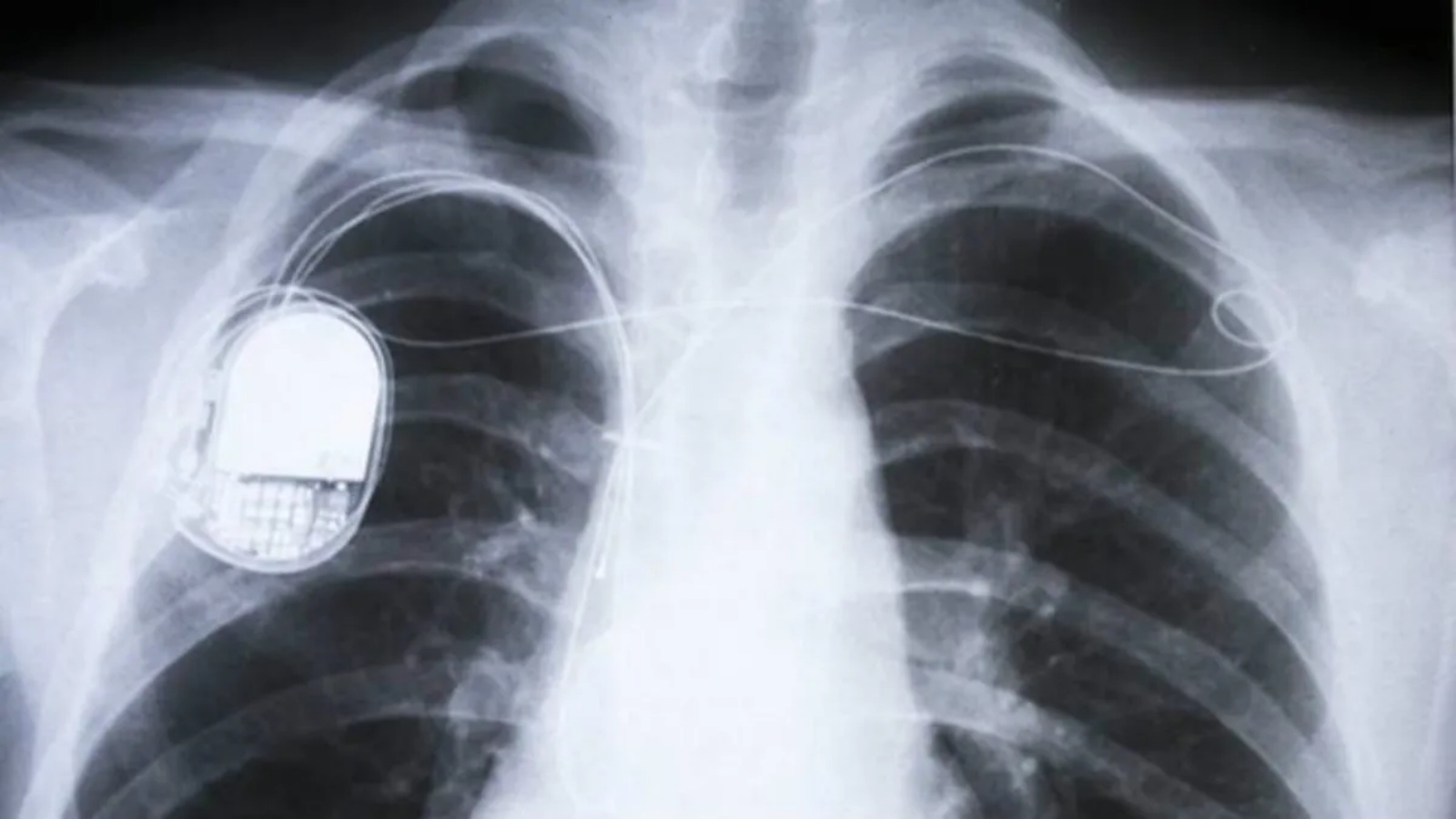
A 63-year-old woman needed a pacemaker because her heart was beating too slowly and irregularly.
The first pacemaker became infected and the wound would not heal.
Doctors removed the device and its wires to control the infection.
Tests found two types of bacteria called Acinetobacter and Enterobacter.
Diabetes and steroid treatment made healing more difficult for her.
Doctors needed to give her heart pacing support again, but wanted to avoid making another pocket in her chest.
They placed a small leadless pacemaker directly inside her heart through a vein in her leg.
She recovered well, walked about six hours later and went home the next day.

A 63-year-old woman from Jammu developed a pacemaker-site infection after treatment for complete heart block.
Doctors removed the infected pacemaker and both leads after cultures identified Acinetobacter and Enterobacter.
Her diabetes, steroid-treated rheumatoid arthritis and previous foot amputation increased concerns about healing and infection.
Doctors implanted a dual-chamber AVEIR leadless pacemaker through the right femoral vein without creating a chest pocket.
She became mobile about six hours later, was discharged the next day and had satisfactory device readings at follow-up.
- Who
- A 63-year-old woman from Jammu, treated by a multidisciplinary cardiac team.
- What
- An infected conventional pacemaker was removed and replaced with a dual-chamber AVEIR leadless pacemaker.
- Where
- The original pacemaker was implanted in Jammu; the replacement was introduced through the right femoral vein.
- When
- After weeks of a non-healing wound and persistent infection; she was mobile about six hours after the new device was implanted.
- Why
- The original system was infected, and a leadless device avoided creating another chest pocket in a patient with difficult healing risks.
Key facts
- Patient
- 63-year-old woman from Jammu
- Original condition
- Complete heart block
- Infection
- Pacemaker pocket infection involving Acinetobacter and Enterobacter
- Risk factors
- Poorly controlled diabetes, steroid-treated rheumatoid arthritis and previous left foot amputation for diabetic gangrene
- Treatment
- Removal of the pacemaker and both leads
- Replacement
- Dual-chamber AVEIR leadless pacemaker
- Recovery
- Mobile approximately six hours after implantation and discharged the following day
Sources
Related news
Yashoda Hospitals Successfully Treats Complex Persistent Pacemaker Infection

Doctors Highlight Prosthetic Valves and AI Cardiac Monitoring Research

Dr. Amit Singh Named Cardiologist of Year at ET Awards
Robotic Surgery Repairs Heart Defect in Merchant Navy Aspirant

First-in-Country Tricuspid TEER Treats Rare Barlow’s Disease Without Surgery

Foods and Drinks That Can Interfere With Antibiotics
Apollo Nellore Reports Successful Care For 700-Gram Infant

Why Rice or Roti Affect Weight Differently Across People