2 hrs ago
AIIMS Screening Finds Menstrual Irregularity Among Nearly One-Fifth of Schoolgirls
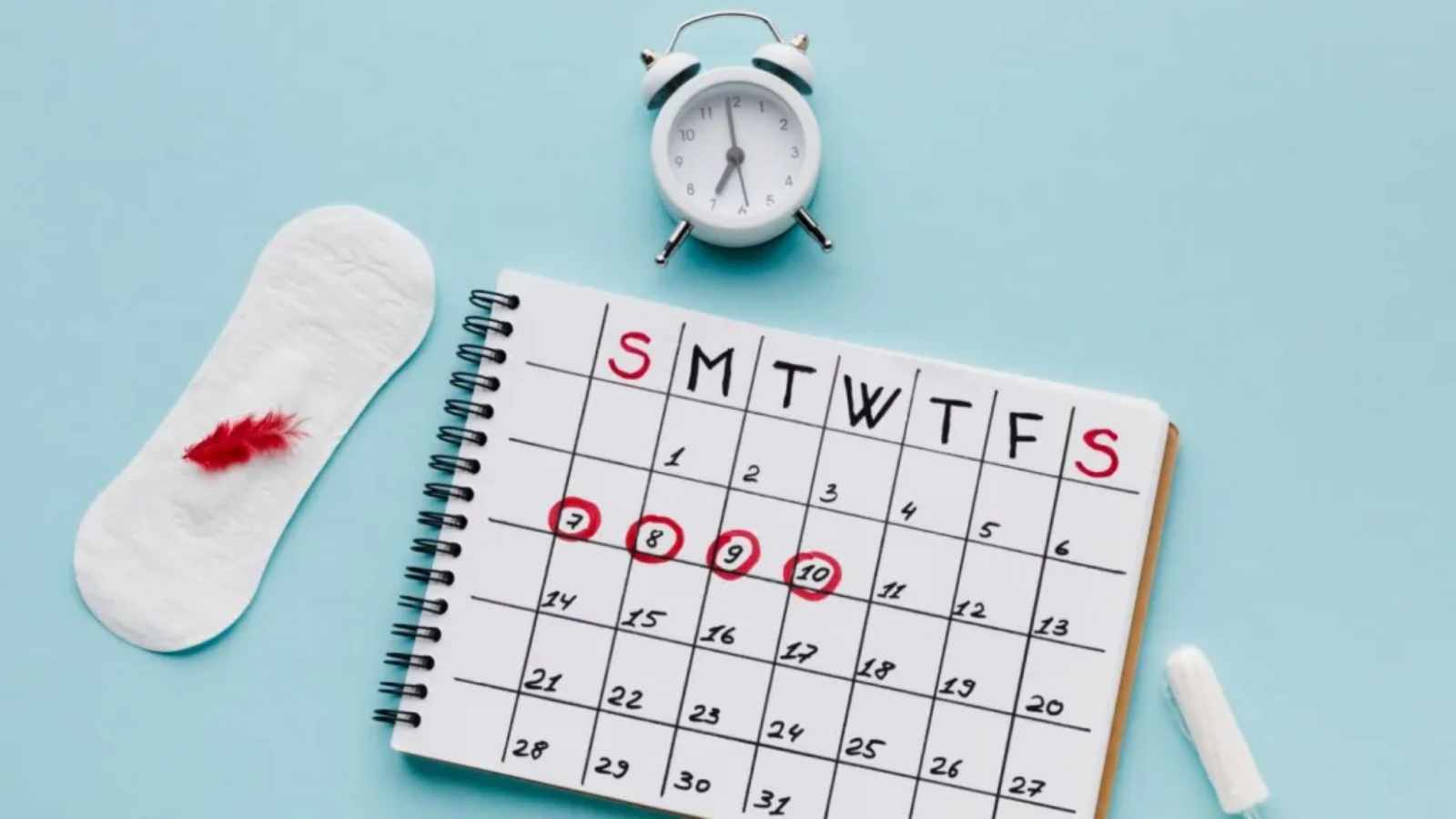
AIIMS screened nearly 4,000 schoolgirls in Delhi to learn about their periods.
Nearly one in five girls said their periods were irregular.
Irregular periods can happen normally during the first year after a girl’s first period.
But periods that stay irregular for longer may need a doctor’s attention.
A condition called PMOS, previously known as PCOS, may be one possible cause.
Other causes can include thyroid problems, high prolactin levels and genetic conditions.
Poor sleep, unhealthy food, little exercise and too much screen time may also contribute.
Finding problems early can help doctors protect a girl’s future health.
Parents should seek medical advice if irregular periods continue or if excessive facial hair or severe acne develops.

An ongoing All India Institute of Medical Sciences screening programme found that nearly one in five of almost 4,000 schoolgirls reported menstrual irregularities.
The screening began around 2023 across seven government and private schools in Delhi.
Researchers estimated that 3-5% of those screened may have polyendocrine metabolic ovarian syndrome (PMOS), formerly known as polycystic ovary syndrome (PCOS).
Cycles can vary during the first year after menarche, but persistent irregularity, cycles outside recommended ranges, excessive facial hair or severe acne may require medical evaluation.
Early assessment can help identify hormonal and metabolic risks, including prediabetes, dyslipidemia, fatty liver, hypertension, obesity, fertility problems and mental health concerns.
- Who
- Nearly 4,000 schoolgirls screened through the All India Institute of Medical Sciences programme, with guidance from Dr Rajni Sharma.
- What
- The screening found that nearly one in five girls reported menstrual irregularities, while an estimated 3-5% may have PMOS, formerly known as PCOS.
- Where
- Seven government and private schools in Delhi, under the All India Institute of Medical Sciences in Delhi.
- When
- The school-based programme began around 2023; medical guidance applies particularly after menarche and during the following years.
- Why
- The programme aims to identify girls who may need assessment and early management of hormonal, metabolic, reproductive and mental-health risks.
Key facts
- Girls screened
- Almost 4,000
- Reported irregularity
- Nearly one in five schoolgirls
- Estimated possible PMOS
- 3-5% of those screened
- Schools involved
- Seven government and private schools in Delhi
- Irregular cycle threshold
- Between one and three years after menarche, cycles shorter than 21 days or longer than 45 days are considered irregular
- Three-month gap
- More than a year after menarche, a single cycle lasting beyond three months is a clear reason to consult a doctor
- AIIMS clinic
- Dedicated paediatric endocrinology OPD on Tuesdays and Fridays in Room C-207
Sources
Related news

Lean PCOS Can Affect Women With Normal Body Weight

Tara Sutaria Highlights Support During Menarche And Puberty

PCOS in South Asian Women: Culture Delays Diagnosis and Care
Women’s Hormonal and Metabolic Health Changes Across Aging

Doctors Explain Overlapping Symptoms Of PCOS, Endometriosis And Ovarian Cancer

Why Women’s Pain Still Goes Unheard in Medicine

Peng Liyuan: Singer, First Lady and Diplomatic Presence in China

Study Links Higher Ultra-Processed Food Intake to Heart Risk
India's Drug Regulator Warns Against Indiscriminate Painkiller, Antibiotic Use

IIT Student Suicides Spark Protests and Calls for Institutional Accountability