1 hr ago
Foods and Drinks That Can Interfere With Antibiotics
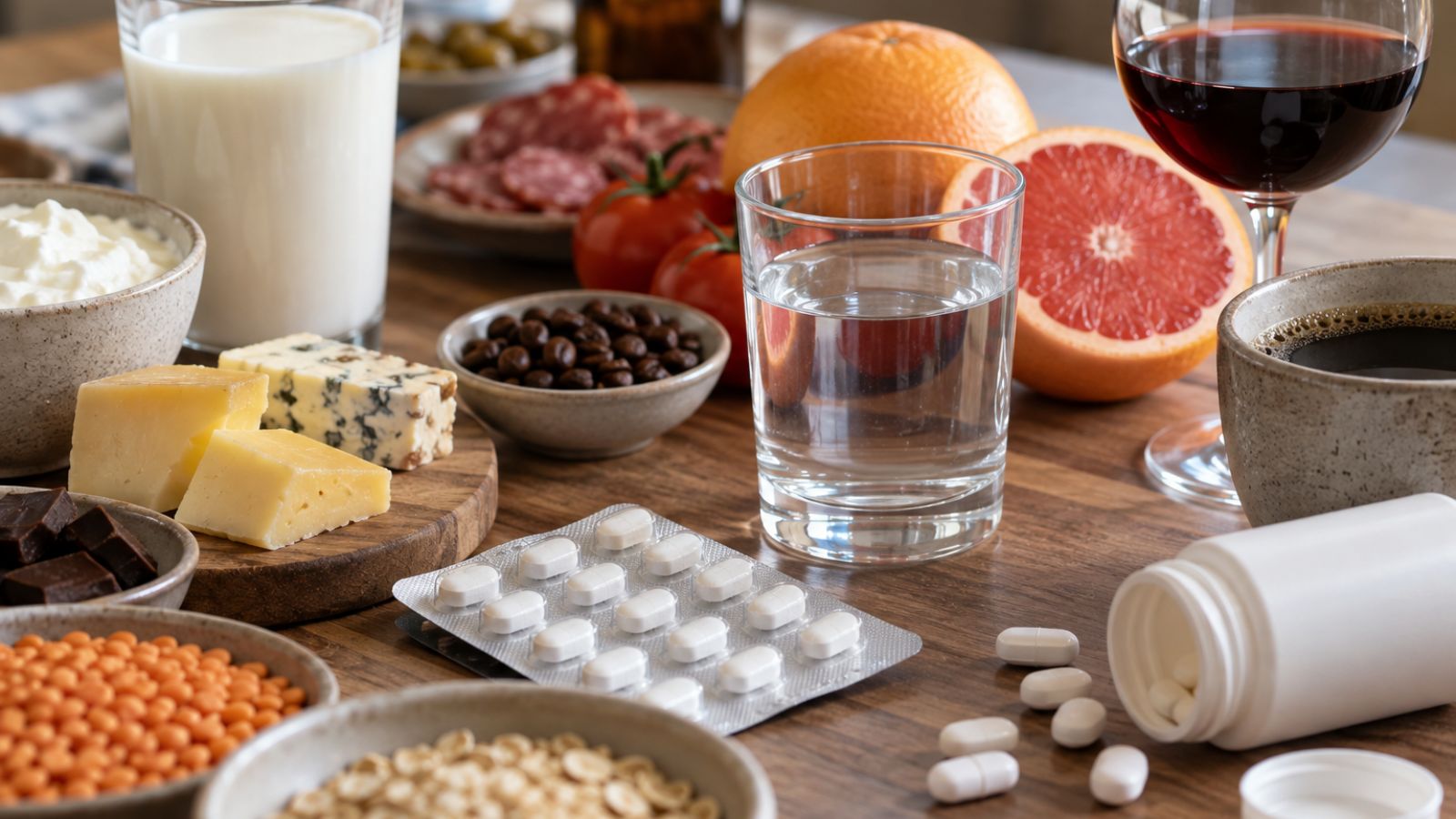
Some foods and drinks can change how certain antibiotics work.
Milk, yogurt, cheese and calcium supplements can stop some medicines from being absorbed properly.
This can happen with antibiotics such as doxycycline, tetracycline, ciprofloxacin and levofloxacin.
Grapefruit and pomelo can change how some antibiotics are processed.
Linezolid can react with large amounts of aged or fermented foods.
Ciprofloxacin can make caffeine feel stronger, causing problems such as nervousness or a racing heart.
Alcohol can cause severe nausea and other symptoms when taken with metronidazole or tinidazole.
People should not stop eating healthy foods, but they should ask about timing and possible interactions for their specific antibiotic.

Calcium-rich foods and supplements can reduce absorption of doxycycline, tetracycline, ciprofloxacin and levofloxacin.
Grapefruit or pomelo may alter blood levels of erythromycin and certain other macrolides.
Linezolid may interact with large amounts of tyramine-rich aged, cured or fermented foods.
Ciprofloxacin can intensify caffeine effects, while alcohol may cause severe reactions with metronidazole or tinidazole.
Patients should follow medicine-specific instructions rather than adopt a universal antibiotic diet.
- Who
- People taking antibiotics, particularly those prescribed medicines with known food or drink interactions.
- What
- Certain foods, drinks and supplements can change antibiotic absorption, processing or side effects.
- Where
- Interactions may occur in the digestive tract or affect medicine levels and effects in the body.
- When
- During antibiotic treatment, especially when taking doses alongside relevant foods, drinks or supplements.
- Why
- Some substances bind to antibiotics, alter drug metabolism or increase the risk of unwanted effects.
Key facts
- Calcium interaction
- Milk, cheese, yogurt, calcium-fortified juices, tofu and calcium supplements can reduce absorption of certain tetracyclines and fluoroquinolones.
- Grapefruit and pomelo
- They may affect drug-processing enzymes and change blood levels of erythromycin and certain other macrolides.
- Linezolid warning
- Large amounts of aged, cured or fermented foods rich in tyramine may raise blood pressure in some patients.
- Caffeine
- Ciprofloxacin can slow caffeine breakdown, potentially increasing jitteriness, anxiety, insomnia or heart palpitations.
- Alcohol
- Alcohol taken with metronidazole or tinidazole may cause nausea, vomiting, flushing, rapid heart rate and intense headaches.
- High-fibre foods
- Lentils, beans and whole grains may delay absorption of some oral medicines, depending on the antibiotic and formulation.
- Main advice
- Check whether the antibiotic should be taken with food or separately, and ask about dairy, mineral supplements, caffeine, alcohol and grapefruit.
Sources
Related news
Doctor Warns Antibiotic Misuse Could Make Infections Untreatable
Five Medication Combinations Older Adults Should Avoid As They Age

Which Common Food Rules Are Actually True for Health?

Tea Habits That May Reduce Benefits or Cause Discomfort

Apple Cider Vinegar Risks: Who Should Avoid It Completely

Indian Regulator Warns Against Misuse of Painkillers and Antibiotics

Apollo Nellore Reports Successful Care For 700-Gram Infant

Why Rice or Roti Affect Weight Differently Across People

Pregnancy After 40: Fertility, IVF and Risks Behind Celebrity News