1 week ago
Traya Says Internal Factors Drive Most Indian Hair Loss
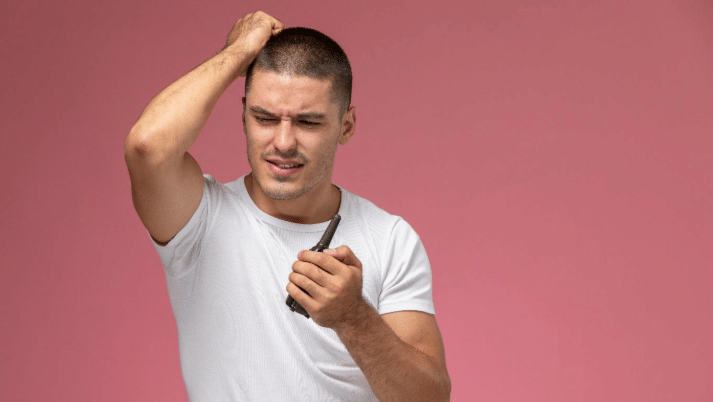
Traya studied hair-loss information from nearly 500,000 Indian men.
The company said nutritional deficiency linked to inflammation in 65% of the cases.
It also reported stress in 60% of cases.
Gut problems appeared in 37% of cases, while sleep disruption appeared in 30%.
Traya says these findings show that hair loss may be connected to what happens inside the body.
Saloni Anand said many people mainly use products on their hair because that is what they commonly see and buy.
The articles do not say that outside treatments never help, but they emphasize that they may not address nutrition or digestion.
The material was sponsored content, not independent reporting by ThePrint journalists.

Traya says its data from 489,721 to 500,000 Indian men linked nutritional deficiency and inflammation in 65% of hair-loss cases.
The company reported stress in 60%, gut issues in 37%, and sleep disruption in 30% of cases.
The Hair Test Report covered men in 20 states and 50 cities, with stress and sleep problems reportedly highest in southern states.
Traya co-founder Saloni Anand argued that many people focus on products applied to the scalp instead of internal factors such as nutrition, digestion, stress, and sleep.
The articles were sponsored BrandIt content, and ThePrint said its journalists were not involved in reporting or writing them.
- Who
- Traya, co-founder Saloni Anand, and nearly 500,000 Indian men whose hair-loss data was analyzed.
- What
- Traya reported links between hair loss and nutritional deficiency, inflammation, stress, gut issues, and sleep disruption.
- Where
- India; the detailed Hair Test Report covered 20 states and 50 cities.
- When
- During Hair Loss Awareness Month in August.
- Why
- Traya aims to encourage attention to internal factors associated with hair loss rather than focusing only on products applied to the scalp.
Internal-Factor Approach
Surface-Treatment Approach
Where treatment should focus
Internal-Factor Approach
Traya argues that nutrition, digestion, stress, and sleep are important accompanying factors in its dataset, so addressing only the visible symptom may be insufficient.
Surface-Treatment Approach
The articles say people commonly choose oils or other products applied to the hair because these options are visible, purchasable, and familiar; they describe this behavior as understandable rather than irrational.
Strength of the evidence presented
Internal-Factor Approach
Traya presents its analysis of nearly 500,000 men as evidence that internal factors frequently accompany hair loss.
Surface-Treatment Approach
The material is sponsored company content and provides no independent study or expert assessment confirming that these factors cause the reported hair loss or that surface treatments fail.
Key facts
- Reported study size
- 489,721 men in the detailed Hair Test Report; the articles also describe the dataset as 5 lakh, or 500,000, men.
- Geographic coverage
- 20 Indian states and 50 cities
- Nutritional deficiency
- Reported in 65% of hair-loss cases and described by Traya as driving inflammation
- Stress
- Reported in 60% of cases
- Gut issues
- Reported in 37% of cases and associated in the articles with nutrient absorption
- Sleep disruption
- Reported in 30% of cases, with problems described as heaviest in southern states
- Content status
- ThePrint BrandIt sponsored content; ThePrint said its journalists did not report or write it
Quotes
Saloni Anand
Co-Founder of Traya, a hair health company
“"Our data across 5 lakh men shows the problem is almost always inside: stress in 60%, gut issues in 37%, sleep disruption in 30%, and nutritional deficiency driving inflammation in 65%."”
 thehansindia.com
“"Hair loss is an internal health condition with an external symptom. Treating only what’s visible is why most solutions fail."”
 theprint.in
Sources

Related news

Traya Founder Explains How Stress and Bad Sleep Affect Hair

Traya Report: Three in Ten Indian Men Not Sleeping Well
Expert Explains Whether Monsoon Really Causes Hair Fall
Nutritional Deficiencies Behind Hair Fall and How to Fix Them

Intermittent Fasting May Slow Hair Growth in Women
Indian Celebrities Embrace Hair Restoration as the Stigma Fades

What Railway PNR Details Reveal Before Your Journey

Jyoti Yadav’s Covid Book Challenges India’s Forced Forgetting

Single-Income Families With Home Loans Should Prioritize Term Insurance

Why Indian Work Permit Seekers Face Costly Misinformation
Punjab Faces Calls for Verification Amid Crime and Migration Concerns