

3 weeks ago
Intermittent Fasting May Slow Hair Growth in Women

Many adults are trying something called intermittent fasting, which means they only eat during certain hours of the day.
It can help some people lose weight and reduce swelling in the body.
But the article warns that for some women, fasting might make hair grow more slowly.
Hair grows in a cycle, and when the body does not get enough protein, it takes care of important organs first.
That means there is less energy left to grow hair.
When that happens, extra hair can fall out, which doctors call telogen effluvium.
The extra hair fall usually shows up two or three months later.
Not every woman who fasts will lose hair, though.
Women who eat enough healthy food and protein during their eating time will probably be fine.
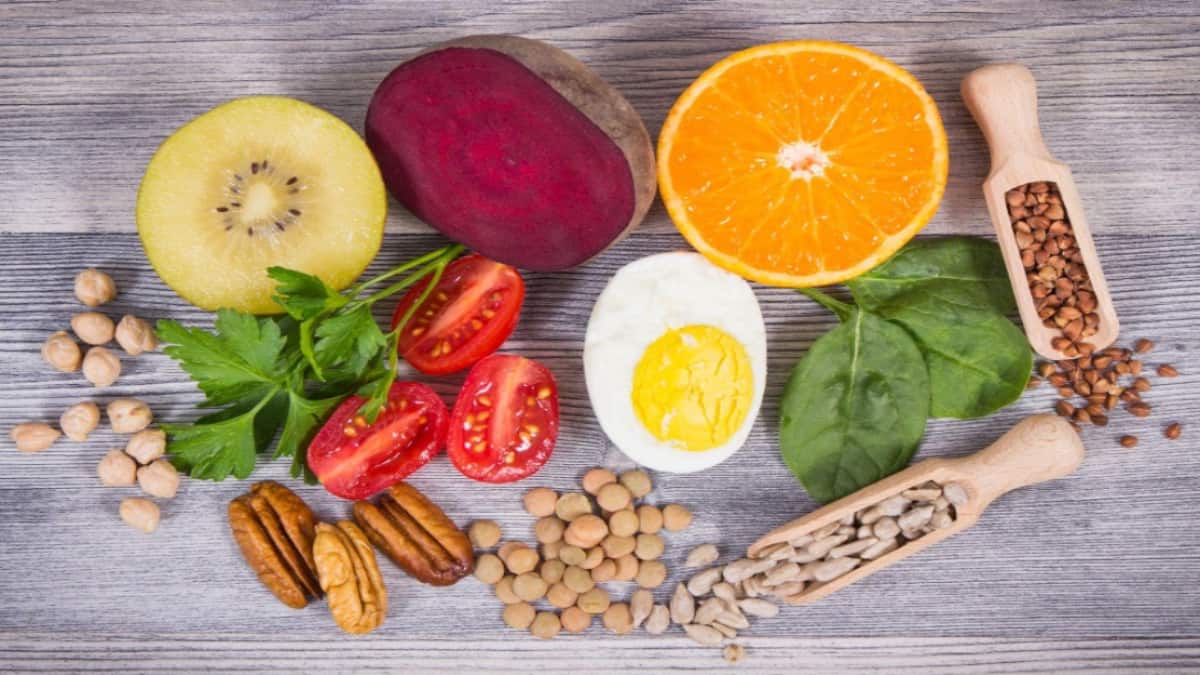
Foods like eggs, beans, spinach, and nuts give hair what it needs to stay strong.

Intermittent fasting may disrupt the hair growth cycle and contribute to slower hair growth or shedding in some women.
Low protein intake during fasting can trigger telogen effluvium, a form of diffuse hair shedding that appears two to three months after a nutritional deficit.
The concern is especially relevant in India, where diets are predominantly cereal-based and some women already consume less protein than recommended.
A 16:8 fasting schedule can make it harder to meet daily protein needs if breakfast is skipped, meals are small, or refined carbohydrates replace protein-rich foods.
Experts say women who consume enough protein and nutrients within their eating window are unlikely to experience hair loss from fasting alone.
- Who
- Women who practice intermittent fasting for wellness, particularly in India.
- What
- Intermittent fasting may disrupt the hair growth cycle and lead to slower growth or hair shedding (telogen effluvium) when protein and nutrient intake are too low.
- Where
- India, where diets are predominantly cereal-based and some women consume less protein than recommended.
- When
- Hair shedding typically appears two to three months after a nutritional deficit or other physiological stress.
- Why
- Fasting can make it harder for some women to meet daily protein and nutrient needs, and when protein is low the body prioritises vital organs over hair growth.
Key facts
- Eating pattern
- Intermittent fasting, including a 16:8 fasting schedule
- Reported benefits
- Weight loss and reduced inflammation
- Potential risk
- Slower hair growth and diffuse hair shedding
- Related condition
- Telogen effluvium, appearing 2–3 months after nutritional stress
- Key contributing factors
- Total daily protein intake, overall calories, micronutrient adequacy, and health conditions like thyroid disorders, anaemia, or hormonal changes
- Beneficial nutrients
- Protein, vitamins A, C, D, E, B vitamins (folate, biotin, niacin), iron, selenium, zinc, and essential fatty acids
- Helpful foods
- Spinach and leafy greens, eggs, beans, fatty fish, seafood, nuts, and seeds
- Author
- A Trichologist & Consultant at Traya Health
Sources
Related news

Traya Founder Explains How Stress and Bad Sleep Affect Hair

Clock-Based Eating May Matter More Than Fasting Duration

Traya Says Internal Factors Drive Most Indian Hair Loss
Expert Explains Whether Monsoon Really Causes Hair Fall
Nutritional Deficiencies Behind Hair Fall and How to Fix Them

Hair Stops Growing: Causes and How to Restore Growth
