3 weeks ago
Nutritional Deficiencies Behind Hair Fall and How to Fix Them
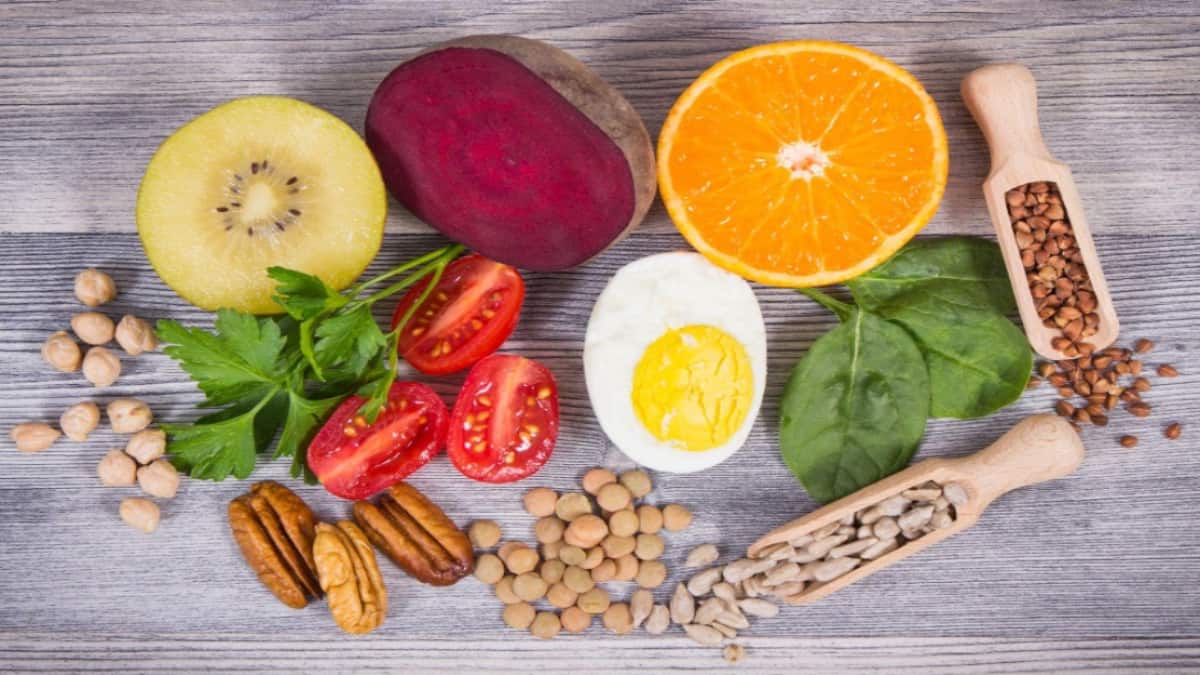
Your hair needs healthy food to grow strong.
When your body does not get enough of certain nutrients, it stops spending energy on hair because hair is not needed for survival.
Protein helps build new hair, just like bricks build a house.
Iron carries oxygen to your scalp, and without enough of it, hair can become thin.
Vitamin D helps hair cells wake up and grow.
Zinc keeps the little oil glands around your hair healthy.
Vitamin B12 helps your body make red blood cells that carry oxygen.
Some people take biotin pills, but research shows they mostly help people who truly do not have enough biotin in their bodies.
If your hair is falling out, the most useful question is not which product to buy, but what your body might be missing.

Hair fall may signal nutritional deficiencies, as hair follicles are among the first body functions deprioritized when nutrients run low.
Protein is a key building block for hair, and low intake can push follicles into a resting phase that slows growth.
Iron deficiency is a common, overlooked cause of hair thinning, especially in women, and ferritin is a more sensitive marker for hair loss.
Vitamin D, zinc, and vitamin B12 directly affect hair follicle function, and deficiencies can contribute to thinning.
Biotin supplements are primarily beneficial for people with an actual biotin deficiency, not everyone experiencing hair loss.
- Who
- People experiencing hair fall, especially women with potential iron deficiency; Traya is mentioned as a company that evaluates nutrition in its approach.
- What
- Nutritional deficiencies in protein, iron, vitamin D, zinc, and B vitamins can cause or worsen hair fall, and identifying what the body is missing is more effective than switching hair products.
- Where
- Not specified in the articles.
- When
- Hair fall typically appears weeks or months after a nutritional deficiency begins.
- Why
- Hair follicles are metabolically active and need a steady supply of nutrients; the body deprioritizes hair growth when those nutrients run low.
Nutrition-first approach
Product-based approach
Treating hair fall
Nutrition-first approach
Hair fall is often a systemic nutritional problem, and identifying what the body is missing is more effective than chasing product trends.
Product-based approach
Many people notice hair fall and immediately reach for a new shampoo, treating it purely as a scalp problem.
Biotin for hair growth
Nutrition-first approach
Research indicates biotin supplements mainly benefit people with an actual biotin deficiency, not everyone with hair loss.
Product-based approach
Biotin is frequently marketed as a hair growth supplement for anyone experiencing hair loss.
Key facts
- Key nutrients
- Protein, iron, vitamin D, zinc, and B vitamins
- Hair composition
- Hair is made almost entirely of keratin, a protein
- Iron and ferritin
- Iron deficiency is a common cause of thinning, particularly in women; ferritin is a more sensitive marker for hair loss
- Vitamin D role
- Activates hair follicle stem cells; low levels associated with alopecia areata and general thinning
- Zinc role
- Supports oil glands around follicles and tissue repair; both deficiency and excess can cause hair loss
- Vitamin B12
- Essential for red blood cell production; deficiency common in vegetarians and vegans
- Biotin evidence
- Supplementation primarily beneficial for people with an actual biotin deficiency
- Deficiency causes
- Poor gut absorption, chronic stress, hormonal conditions like thyroid disorders or PCOS, and long-term use of certain medications
Sources
Related news

Traya Says Internal Factors Drive Most Indian Hair Loss

Intermittent Fasting May Slow Hair Growth in Women

Scalp Care Emerges as the New Foundation of Healthy Hair
Hair Shedding Versus Hair Fall: When to Seek Medical Advice

Traya Founder Explains How Stress and Bad Sleep Affect Hair

Grey Hair Before 35: Can Nutrient Deficiency Be Responsible?

Expert Explains Whether Monsoon Really Causes Hair Fall

Popular Hair Restoration Treatments Compared: What Works and Why