1 week ago
India’s Frayed Social Contract Tests Trust in Democratic Institutions
A democracy works like an agreement between people and the government.
People follow laws and give the government authority, while the government is expected to protect their rights and provide security and justice.
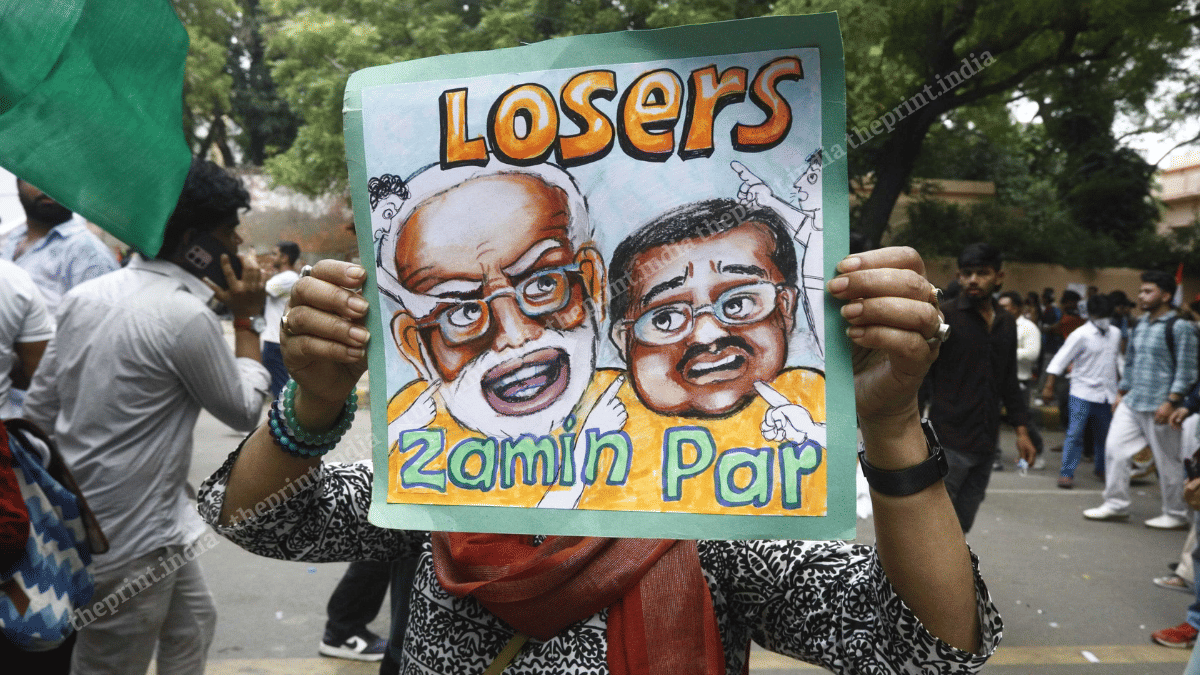
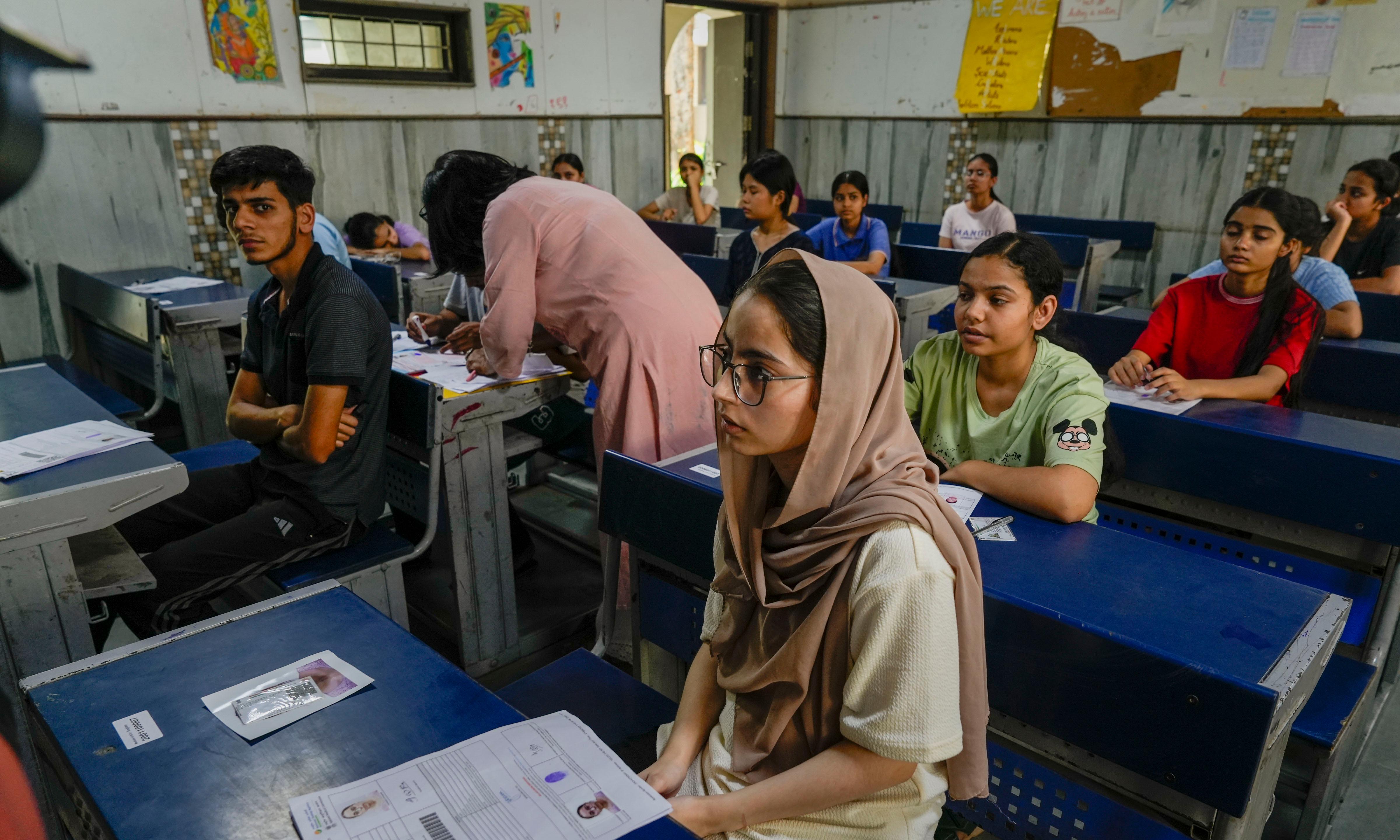
The article says many Indians have become less trusting because of events such as demonetisation, the COVID-19 crisis and examination paper leaks.
Questions about elections and public funds have added to those concerns.
Courts, election officials, auditors, universities and journalists are supposed to check those in power.
People may accept difficult decisions if they believe these referees are fair.
But if the referees seem biased, citizens may stop believing official decisions and statistics.
The author says trust cannot be forced by law and must be rebuilt through independent and transparent institutions.

The article argues that public trust in India’s institutions has weakened across several major controversies.
It links the distrust to unmet expectations after demonetisation, the COVID-19 crisis and examination paper leaks.
Disputes over electoral roll revisions and alleged irregularities involving Ram Temple funds are cited as further strains.
Independent courts, election authorities, auditors, investigative agencies, universities and media are described as democratic referees.
The author says restoring trust requires transparency, consistency and institutions willing to hold every government accountable.
- Who
- Indian citizens, the government and the independent institutions that oversee public life.
- What
- An opinion article argues that India’s social contract is fraying because public confidence in democratic institutions has declined.
- Where
- India.
- When
- The article discusses developments from the 2014 political change through demonetisation in 2016, the COVID-19 pandemic and subsequent controversies.
- Why
- The author attributes declining trust to perceived failures, mismanagement, contested decisions and alleged abuses affecting governance, public health, merit, elections and public faith.
Key facts
- Central argument
- Democracy depends on public confidence in both governments and the institutions that oversee them.
- 2014 expectations
- The article says the change in government generated unusually high public expectations and trust.
- Demonetisation
- Citizens accepted hardship expecting it to reduce black money and corruption; the article notes that almost all invalidated currency returned to the banking system.
- COVID-19 crisis
- The nationwide lockdown led to a large movement of workers and families, while the Delta wave exposed weaknesses in public health capacity.
- Institutional concerns
- The article cites examination paper leaks, electoral roll disputes and reports of theft and financial irregularities involving Ram Temple funds.
- Democratic referees
- Courts, election authorities, auditors, investigative agencies, universities and the independent press are identified as key institutional safeguards.
- Proposed remedy
- The author calls for transparency, consistency and accountability regardless of which government is in power.
Sources
Related news

Democracy's Soul Depends on Institutions, Not Ballots Alone, Essay Argues
India's Exam Trust Crisis Brings Nilekani-Led Reform Task Force

Jharkhand Youth Exam Protests Test India's Political Parties

Democracy needs humility, institutional accountability as 'Quit BJP' resurfaces
New political mood takes shape in India amid calls for accountability
How Political Patronage Weakened India's Bureaucratic Steel Frame

What Railway PNR Details Reveal Before Your Journey

Jyoti Yadav’s Covid Book Challenges India’s Forced Forgetting

Single-Income Families With Home Loans Should Prioritize Term Insurance

Why Indian Work Permit Seekers Face Costly Misinformation