1 week ago
Punjab Faces Calls for Verification Amid Crime and Migration Concerns
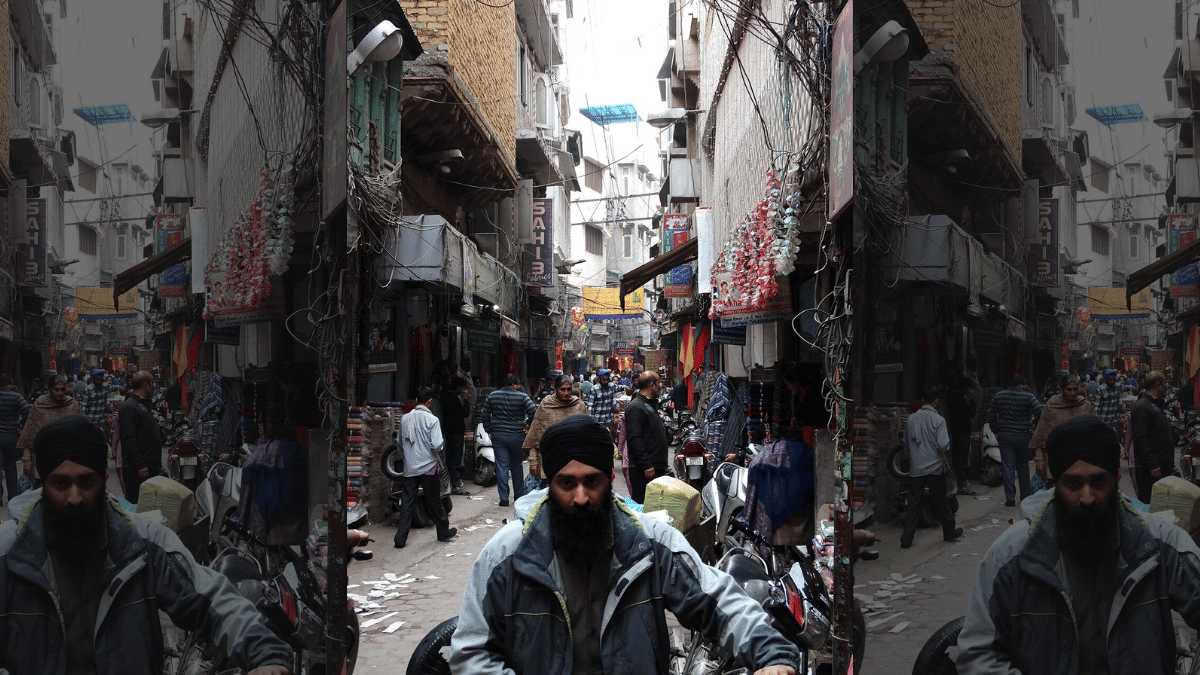
The article says Punjab is changing because many people from other parts of India have moved there for work and settled permanently.
Moving to Punjab is not a crime, and many migrants contribute to the state.
The concern is that authorities may not always know who lives in particular homes or neighborhoods.
Some residents report public drinking, fights, harassment and possible drug activity.
Social-media videos may show real incidents, but they can also be misleading.
The article says police should check credible complaints instead of ignoring them.
It also warns that residents should not become vigilantes or investigate people themselves.
The government is urged to publish reliable data and improve policing.
Criminals should be punished regardless of where they come from, while innocent migrants should not be targeted.

The subscriber-written article links unmanaged migration, crime, drug trafficking, unemployment and declining confidence in Punjab’s administration.
It says migrant workers have increasingly settled permanently, while verification, housing, sanitation, policing and integration systems have not kept pace.
Residents reportedly complain about public drinking, disturbances, harassment and alleged criminal activity, though social-media claims may be incomplete or misleading.
The article calls for district-wise data on tenant verification, narcotics cases, interstate crime, repeat offenders, police action and convictions.
It urges action against criminals regardless of their origin while warning against harassment or collective suspicion of law-abiding migrants.
- Who
- Punjab residents, migrant workers, landlords, police and the Punjab government are central to the article.
- What
- The article calls for stronger identity and tenant verification, better policing and action against drug trafficking and crime amid concerns about unmanaged migration.
- Where
- Punjab, including its villages, towns, cities, industrial areas and semi-urban neighborhoods.
- When
- The article describes developments from the 2000s through 2026, with public concern intensifying from 2023 onward.
- Why
- The stated reason is to address reported public disorder, drug trafficking, crime, weak verification and declining public confidence without targeting law-abiding migrants.
Key facts
- Main concern
- Unplanned migration combined with inadequate verification, weak policing, drug trafficking and social tensions.
- Migration trend
- Seasonal labor migration from the 2000s increasingly became permanent settlement during the 2010s.
- Reported complaints
- Residents have reported public drinking, disturbances, harassment, fights, intimidation and alleged drug activity.
- Social-media evidence
- Videos have drawn attention to some incidents, but the article says they may be incomplete or misleading and should be verified.
- Requested data
- The article seeks district-wise information on verification, narcotics arrests, interstate crime, repeat offenders, FIRs, arrests, chargesheets and convictions.
- Proposed response
- It recommends a statewide verification and security audit, stronger interstate coordination, integrated criminal databases and intensified policing in sensitive areas.
- Core principle
- The article says Punjab should welcome law-abiding people while taking action against criminals, regardless of their state of origin.
Sources
Related news

Harbhajan Singh Hits Back Over Drug Menace After Police Fact-Check

Crime-Politics Nexus Likely to Dominate Punjab's 2027 Assembly Polls

AAP MP’s Grassroots Anti-Drugs Campaign Raises Punjab Policing Questions

Punjab Constable, Sister Attacked After Reporting Alleged Drug Peddlers

Punjab Police Say Harbhajan Singh's Viral Video From Rajasthan

Punjab Gurdwaras Warn Parents About Online Drug Recruitment

What Railway PNR Details Reveal Before Your Journey

Jyoti Yadav’s Covid Book Challenges India’s Forced Forgetting

Single-Income Families With Home Loans Should Prioritize Term Insurance

Why Indian Work Permit Seekers Face Costly Misinformation