3 weeks ago
Government must ensure citizens' continuous access to medical care

Keeping people healthy costs a lot of money, and it is the job of governments to make sure everyone can see a doctor when they are sick.
After the Covid-19 pandemic, rich countries gave less money to help other countries with health care.
The United States gave about 67 per cent less, and the United Kingdom, France, and Germany also gave less.
The article says India is spending only a small part of its health budget, and out of every 100 rupees set aside for disease programmes, only 26 are actually used.
Countries also owe a lot of money, so there is less to spend on health.
The article says India should spend its health budget carefully and check that new medical colleges really teach doctors properly.
It also says villages should have health centres so small problems are treated close to home.
By doing these things, the government can give free or affordable medical care to everyone who needs it.

Foreign health aid fell sharply after Covid-19, with US contributions down about 67 per cent and UK, France and Germany down 12-39 per cent.
Only 26 per cent of funds allocated for communicable and non-communicable disease programmes under the National Health Mission are being spent.
The article urges the government to quickly draft the National Health Policy 2026 into an Act and keep patients in focus.
Relaxed National Medical Commission norms have led to many new medical colleges, raising concerns about standards and 'ghost faculties'.
Global public debt reached a record US$ 102 trillion in 2024, limiting the national budget's ability to support the health system.
- Who
- The Government of India and its health institutions; the article is written by a retired IPS officer and former Additional DGP of Andhra Pradesh.
- What
- A call to reform and strengthen India's public health policies, improve health funding, regulate medical colleges, and expand schemes like Ayushman Bharat.
- Where
- India, at national and state levels, including primary health centres in villages.
- When
- In the period after the Covid-19 pandemic, with 2024 cited for global debt data and a National Health Policy 2026 proposed.
- Why
- Because foreign health aid has dropped sharply and India's health spending is too low to guarantee continuous medical care for all citizens.
Key facts
- US health aid decline after Covid-19
- About 67 per cent (Foreign Assistance Program)
- UK health aid decline
- 39 per cent
- France health aid decline
- 35 per cent
- Germany health aid decline
- 12 per cent
- Global public debt (2024)
- Record US$ 102 trillion
- NHM disease programme spending
- Only 26 per cent of allocated funds
- Proposed legislation
- National Health Policy 2026
- Author
- Retired IPS officer, former Additional DGP of Andhra Pradesh
Sources
Related news
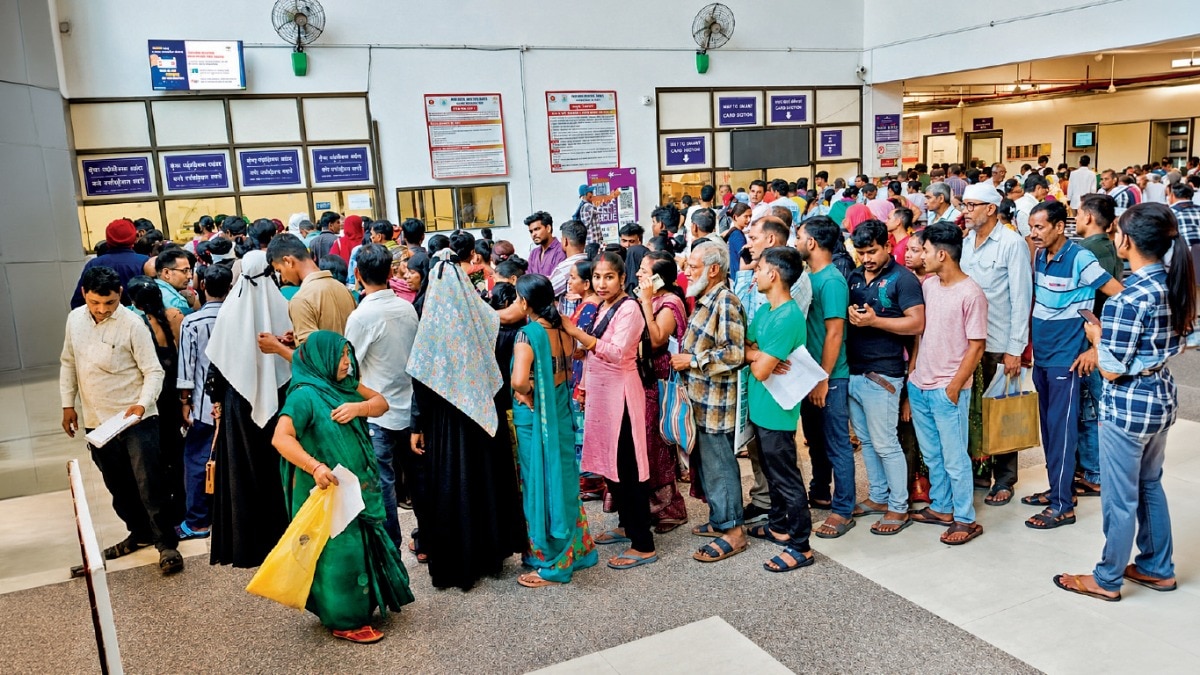
India's health insurance coverage climbs but hospitalisation costs rise
India's Health Battles and Wins Ahead of Independence Day 2026

India's healthcare journey from scarcity to smart care

Akhilesh Yadav attacks UP government over healthcare, promises free treatment

From Colonial Neglect, India Built a Healthcare System of Promise
Centre Approves ₹2,447.98 Crore Andhra Pradesh Health Mission Plan

AI Helping Indian Clinicians See More Patients, Philips Says