

2 weeks ago
India's health insurance coverage climbs but hospitalisation costs rise
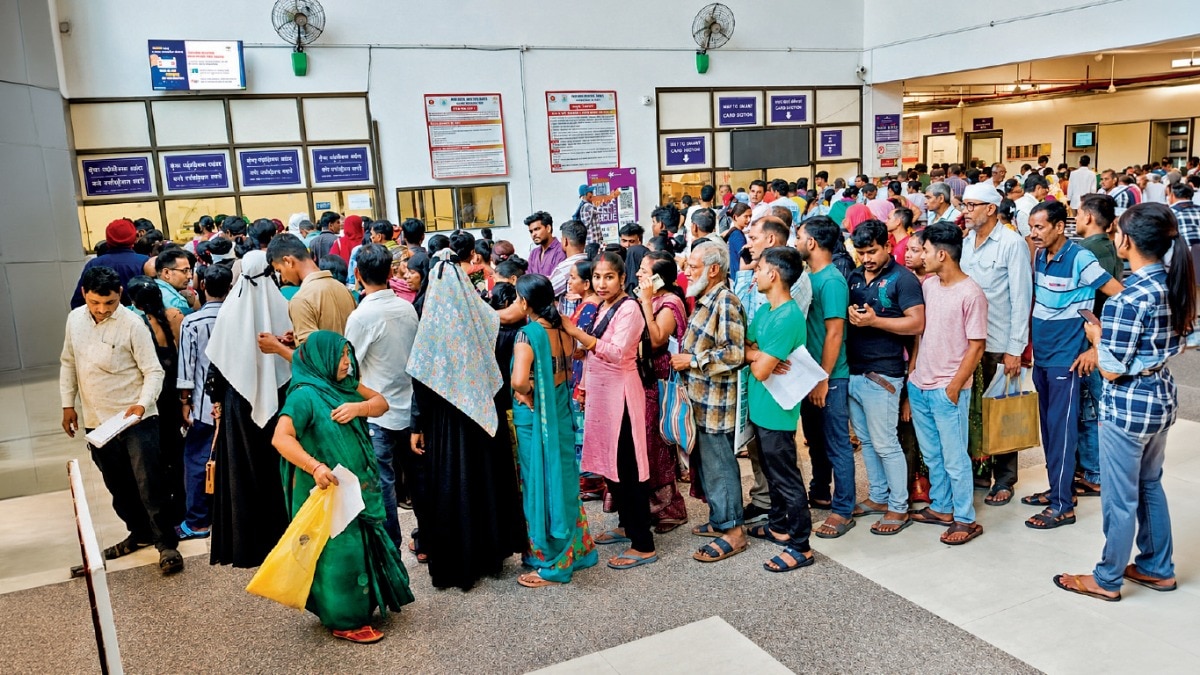
In India, more people have health insurance now than before.
A government survey found that 47% of people in villages and 44% of people in cities have health insurance.
Back in 2017-18, only 14% of village families and 19% of city families had it.
But even with insurance, getting sick is becoming more expensive.
The average cost of a hospital stay went up from about Rs 20,000 to nearly Rs 38,000.
Families still pay a lot of money from their own pockets.
The government spends more on health than it used to, but experts say it is still not enough.
Some experts want the government to spend more money.
Other experts say the government should use the money it already has more wisely.
In the future, India will have more elderly people, so healthcare will become even more important.

Health insurance coverage rose to 47% among rural and 44% among urban Indians in 2025, from just 14% and 19% in 2017-18.
Average medical expenditure per hospitalisation nearly doubled from Rs 20,135 in 2017-18 to Rs 37,858 in 2025.
Average out-of-pocket medical expenditure per hospitalisation, excluding childbirth, stood at Rs 34,064 in 2025.
Government health spending of about 1.8% of GDP by FY26 remains below the National Health Policy target of 2.5%, despite initiatives such as Ayushman Bharat.
Experts are split: some call for higher public health spending, while others say under-utilisation of funds and weak accountability must be fixed first.
- Who
- Indian patients and households, central and state governments, and experts including Bhanu Prakash Kalmath S. J. of Grant Thornton Bharat, economist Sunil Sinha, and Rahul Ahluwalia of the Foundation for Economic Development.
- What
- Health insurance coverage rose sharply between 2017-18 and 2025, yet hospitalisation costs and out-of-pocket medical expenditure also increased, triggering debate over public health spending levels and efficiency.
- Where
- India, covering rural and urban areas; state-level comparisons included Jammu and Kashmir, Kerala, and Tamil Nadu.
- When
- The National Sample Survey on Household Social Consumption: Health was conducted between January and December 2025, with comparisons drawn to the 2017-18 survey.
- Why
- Rising illness costs and gaps between the intent of government schemes and on-ground care continue to push many families into high out-of-pocket spending despite wider insurance coverage.
Raise public health spending
Improve spending effectiveness
Public health expenditure
Raise public health spending
India should raise government health spending to the National Health Policy target of 2.5% of GDP, and states should meet the 8% budget-share target, because public healthcare infrastructure remains insufficient and spending is below target.
Improve spending effectiveness
Hitting 2.5% or 3% of GDP would not fix things; government spending is inefficient and funds are under-utilised, so the priority should be improving accountability and the effectiveness of current expenditure.
Role of private healthcare
Raise public health spending
Government initiatives and private players have contributed to strides in healthcare, expanding insurance coverage, services, and access to care across India.
Improve spending effectiveness
Opening the health sector to private participation during liberalisation increased out-of-pocket expenditure, and insurance coverage often does not pay for outpatient departments and several medical tests.
Key facts
- Rural health insurance coverage (2025)
- 47%, up from 14% in 2017-18
- Urban health insurance coverage (2025)
- 44%, up from 19% in 2017-18
- Average hospitalisation expenditure
- Rs 37,858 in 2025, vs Rs 20,135 in 2017-18
- Out-of-pocket cost per hospitalisation (2025)
- Rs 34,064 (excluding childbirth)
- Public health spending as share of GDP
- About 1.8% by FY26, below the 2.5% National Health Policy target
- Government share of total health expenditure
- 43.7% in 2022-23, up from 28.6% in 2013-14
- Out-of-pocket share of total health expenditure
- 39.4% in 2021-22, down from 62.6% in 2014-15
- State health spending (FY25)
- 5.91% of total state expenditure, below the 8% target
Quotes
Bhanu Prakash Kalmath S. J., Partner and Healthcare Industry Leader, Grant Thornton Bharat
Senior partner in healthcare consulting
“There has also been greater emphasis on primary care, financial protection, preventive health, early diagnosis, digital health infrastructure, and measures for social well-being.”
 businesstoday.in
“The real question for Indian health policy isn’t how to increase spending but how to increase effectiveness by improving accountability of current expenditure.”
businesstoday.in
Sources
Related news
India's Health Battles and Wins Ahead of Independence Day 2026

India's Non-Life Insurance Segment Ails From Rising Healthcare Costs, Premiums
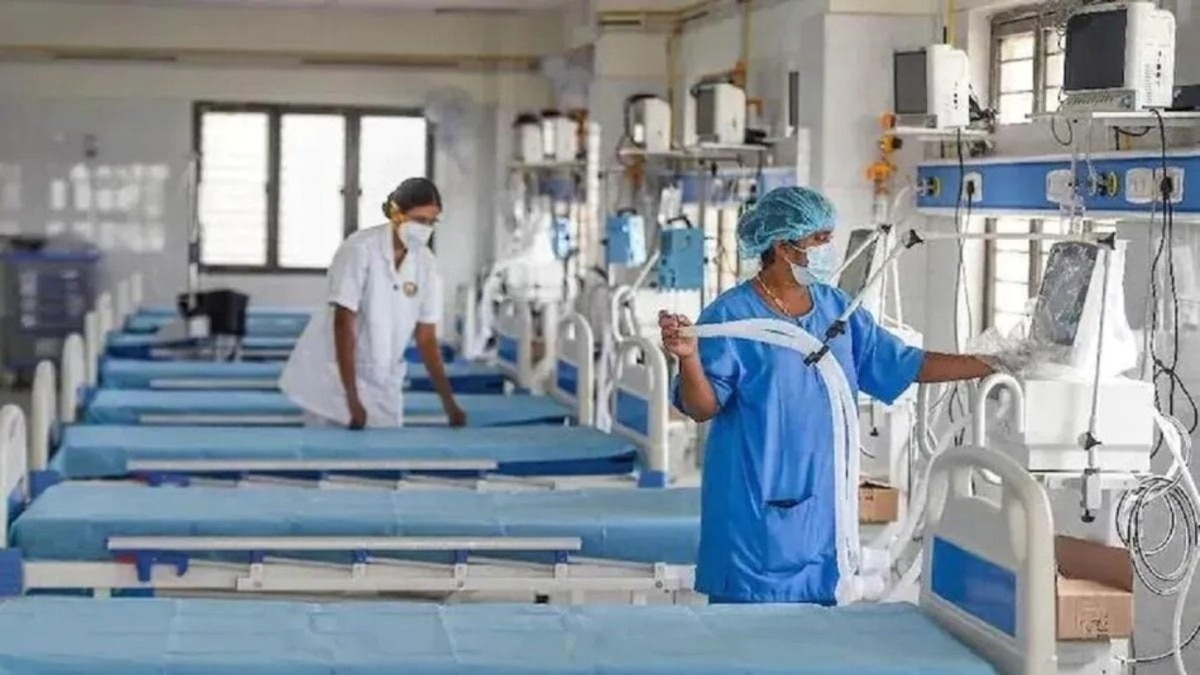
Private hospitalisation costs nearly 8 times more than government hospitals

Government must ensure citizens' continuous access to medical care

India’s Smaller States Report Lower Out-of-Pocket Medical Spending

India Plans Health Insurance Reforms To Lower Medical Costs

Five Executive Programmes Help Financial Professionals Navigate Industry Change
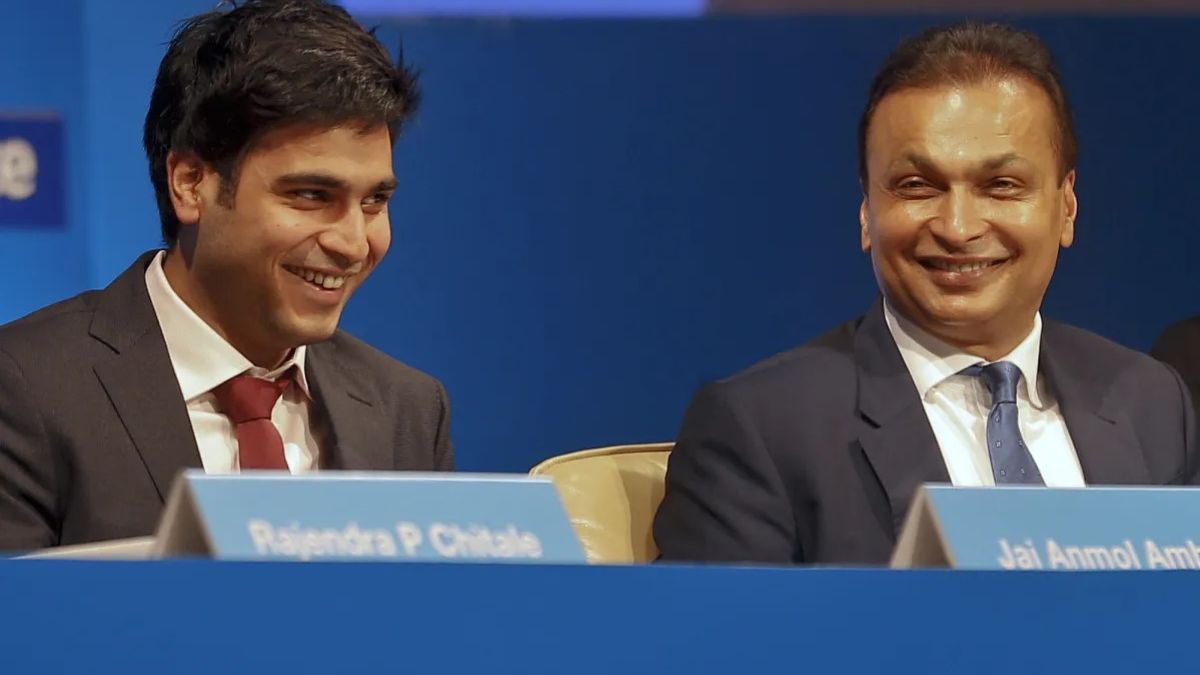
CBI Books Jai Ambani in Rs 228 Crore Fraud Case
CBI Files Case Against Anil Ambani's Son
Chandigarh University to Launch New Industry-Aligned Programs
