2 weeks ago
US-South Korea relationship evolves under Trump's deal-focused approach

The United States and South Korea have been friends for more than 70 years.
They work together to keep South Korea safe from North Korea.
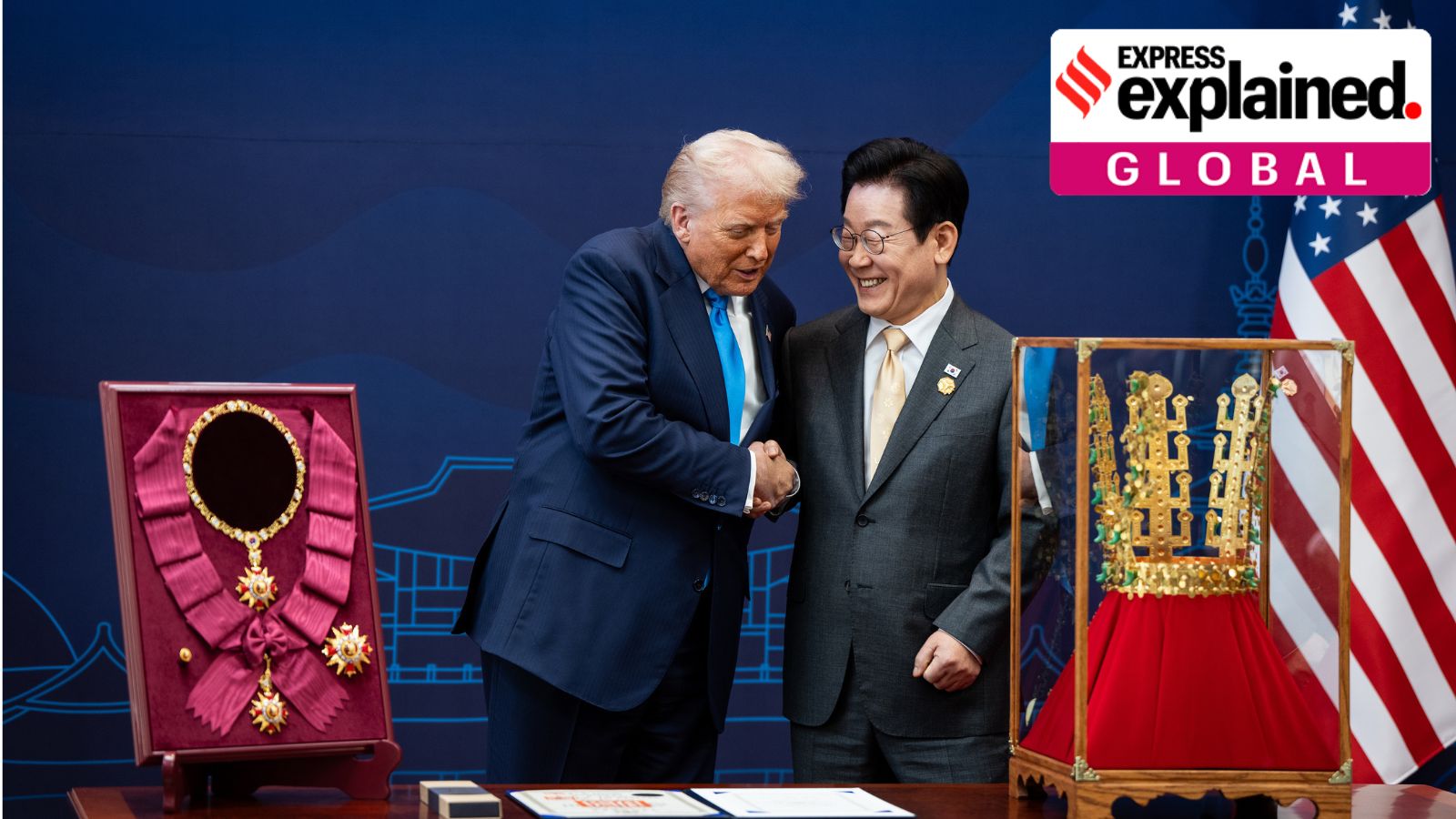
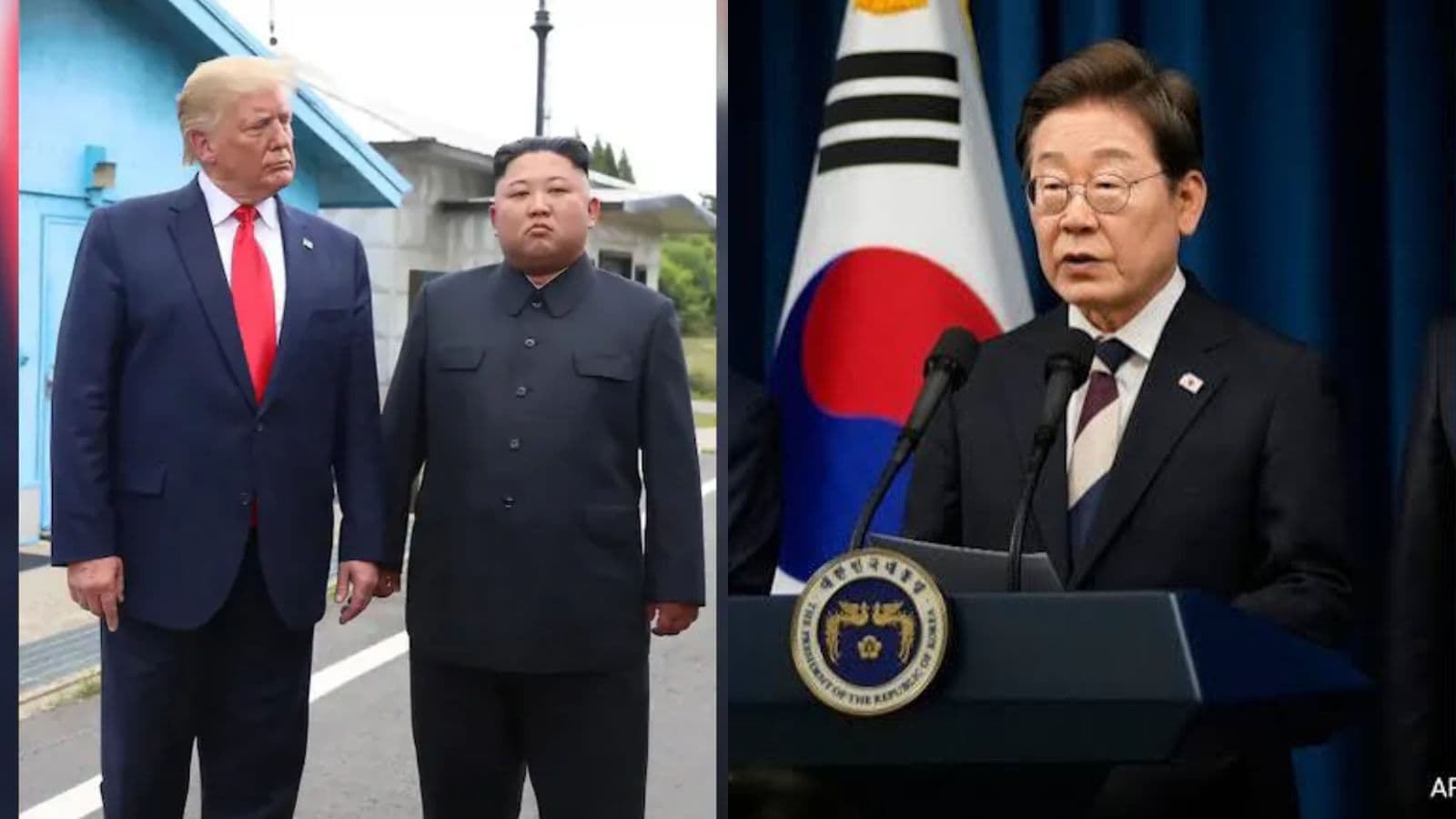
Donald Trump is the president of the United States.
Lee Jae Myung is the president of South Korea.
Trump likes making deals and wants South Korea to pay more money for American soldiers staying there.
South Korea says it already pays a lot of money.
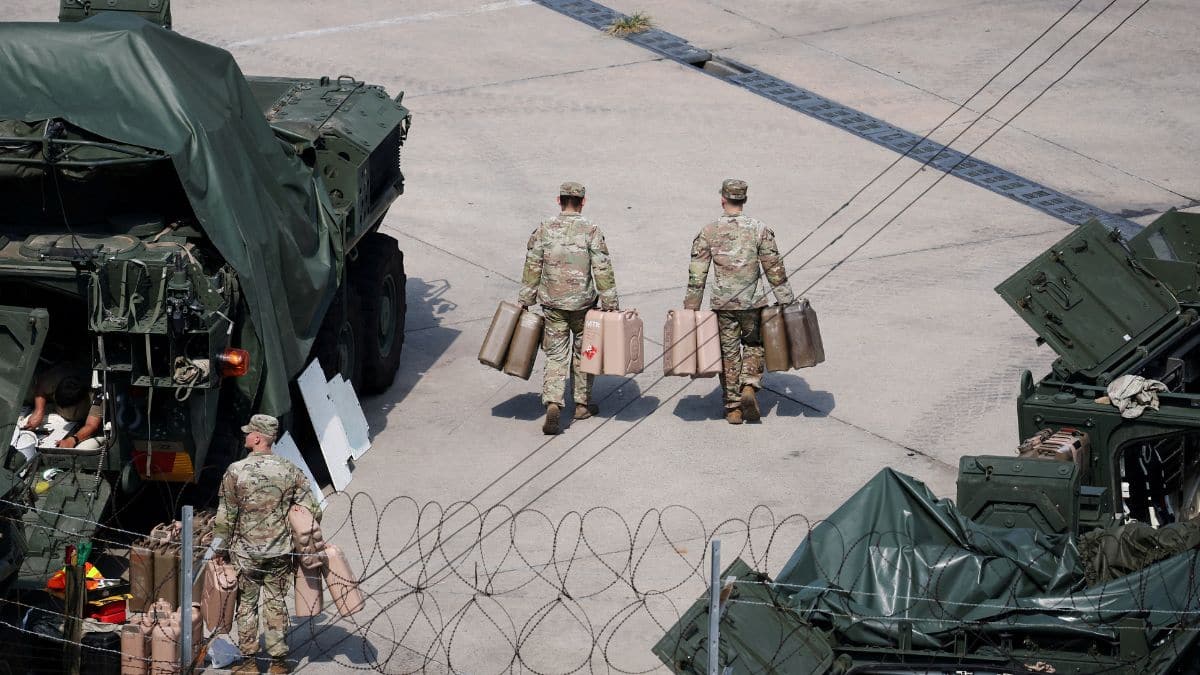
The two countries also stopped some big military practices together because Trump said they cost too much.
They later started bigger practices again when North Korea kept building more weapons.
The two leaders also argue about taxes on things South Korea sells to America.
Even when they disagree, they keep talking and working together.

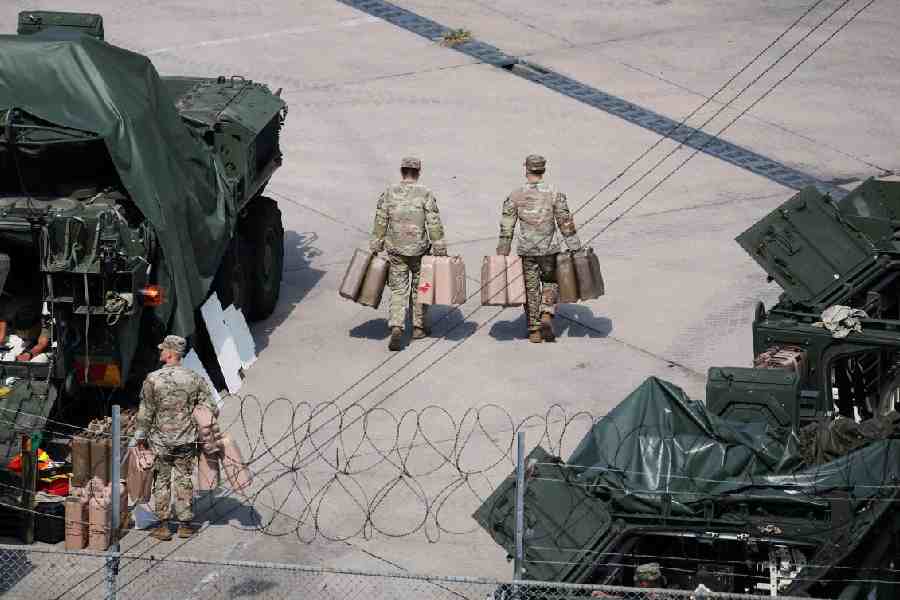
Trump ordered a scale-back of joint U.S.-South Korea military drills, reviving a contentious issue from his first term.
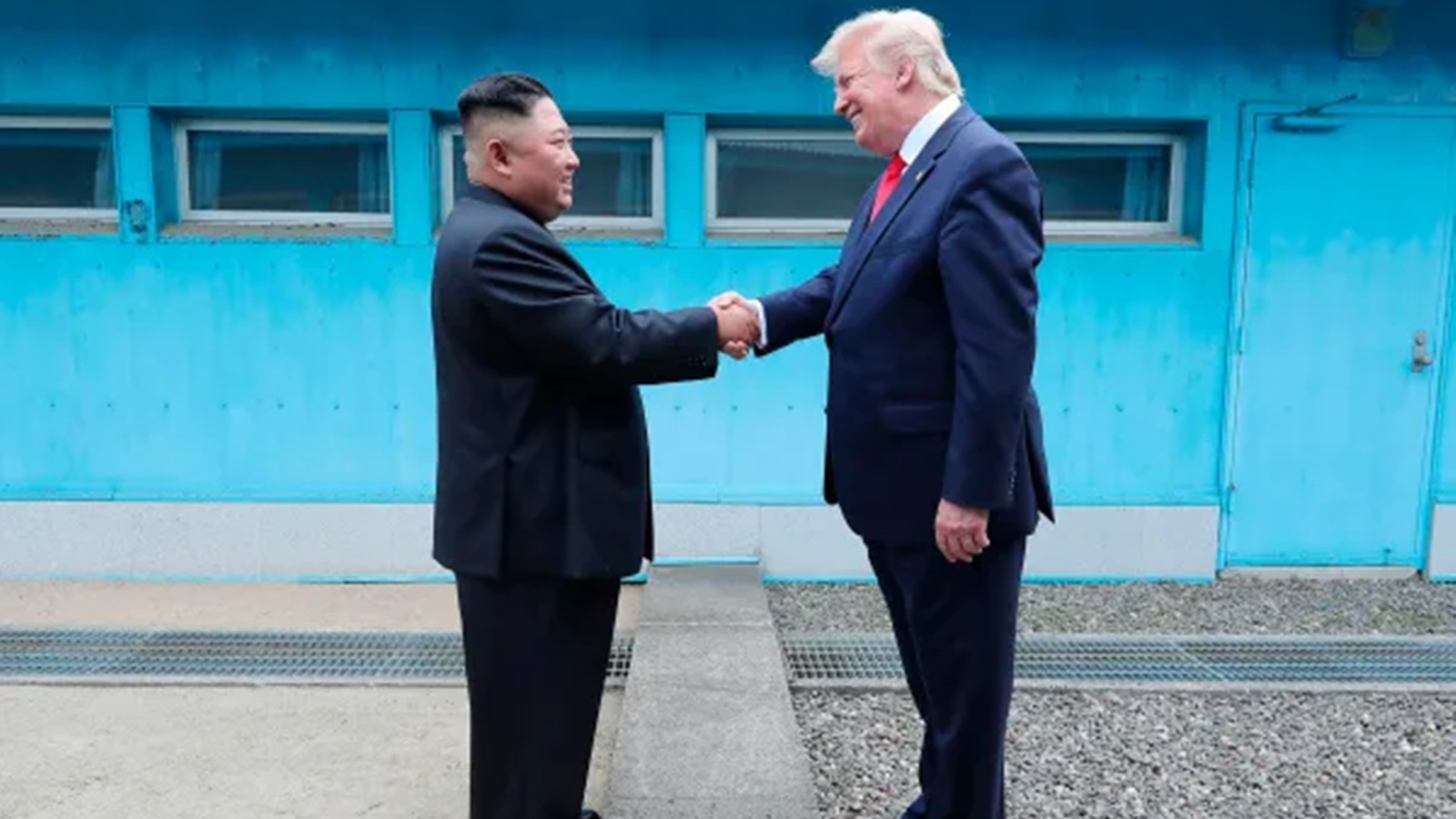
Trump's North Korea policy shifted from 'fire and fury' threats in 2017 to summits with Kim Jong Un in Singapore, Hanoi and at the Demilitarized Zone.
Seoul will contribute about 1.52 trillion won ($1.1 billion) this year under a 2026-2030 cost-sharing deal that Trump argues is too little.
Washington settled on a 15% tariff rate after initially threatening 25%, while Seoul pledged $350 billion for U.S. projects.
Tensions include alliance 'modernisation' aimed at China, Seoul's reluctance over Taiwan, and the detention of South Korean workers in a 2025 Georgia raid.
Trump's second term has again largely overlapped with a liberal South Korean government under Lee Jae Myung, who favours lowering tensions with North Korea.
- Who
- U.S. President Donald Trump, South Korean President Lee Jae Myung, and North Korean leader Kim Jong Un
- What
- The evolution of the U.S.-South Korea alliance under Trump, covering military drills, defence cost-sharing, tariffs, investment and North Korea diplomacy
- Where
- The United States, South Korea and North Korea, including summit sites in Singapore, Hanoi and the Demilitarized Zone
- When
- From Trump's first term in 2017 through his current second term, as reported on Aug 18
- Why
- Trump's deal-focused approach is testing the more than 70-year-old alliance over defence costs, trade and North Korea policy
Seoul and alliance backers
Trump administration
Joint military drills
Seoul and alliance backers
South Korea and its allies favour the joint exercises, which were restored in larger form to cover threats including drones and cyberattacks.
Trump administration
Trump has called the drills expensive and provocative and ordered them scaled back.
Defence cost-sharing
Seoul and alliance backers
Seoul says the existing 2026-2030 agreement, under which it pays about $1.1 billion this year, should be honoured.
Trump administration
Trump argues South Korea pays too little for hosting roughly 28,500 U.S. troops.
Alliance scope and Taiwan
Seoul and alliance backers
Seoul depends on Washington to deter North Korea but is reluctant to be drawn into a conflict over Taiwan.
Trump administration
Washington wants a 'modernised' alliance that gives U.S. forces flexibility to respond to challenges beyond the peninsula, particularly China.
Key facts
- U.S. troops in South Korea
- Roughly 28,500
- Seoul's defence cost contribution
- About 1.52 trillion won ($1.1 billion) this year
- Cost-sharing agreement period
- 2026 to 2030
- U.S. tariff on South Korean goods
- 15% after an initial 25% threat
- Seoul's pledged U.S. investment
- $350 billion
- Trump-Kim summits
- Singapore (2018), Hanoi (2019), Demilitarized Zone (2019)
- Suspended joint exercise
- Ulchi Freedom Guardian, August 2018
- 2025 immigration raid
- Hundreds of South Korean workers detained at the Hyundai-LG battery project in Georgia
Quotes

Donald Trump
President of the United States
““unthreatening and respectful.””
 theprint.in
““fire and fury.””
theprint.in
Sources
Related news
US–South Korea Military Drill Ends Six Days Early
Trump announces cut to US-South Korea military drills

Trump Orders Smaller U.S.-South Korea Drills, Citing Kim
Trump Scales Back South Korea Drills, Alarming Allies
South Korea Hopeful US-North Korea Talks After Trump Cuts Drills
U.S., South Korea Shorten Drills Amid Trump Pressure
Why India Must Conserve Forex Despite Strong GDP Growth
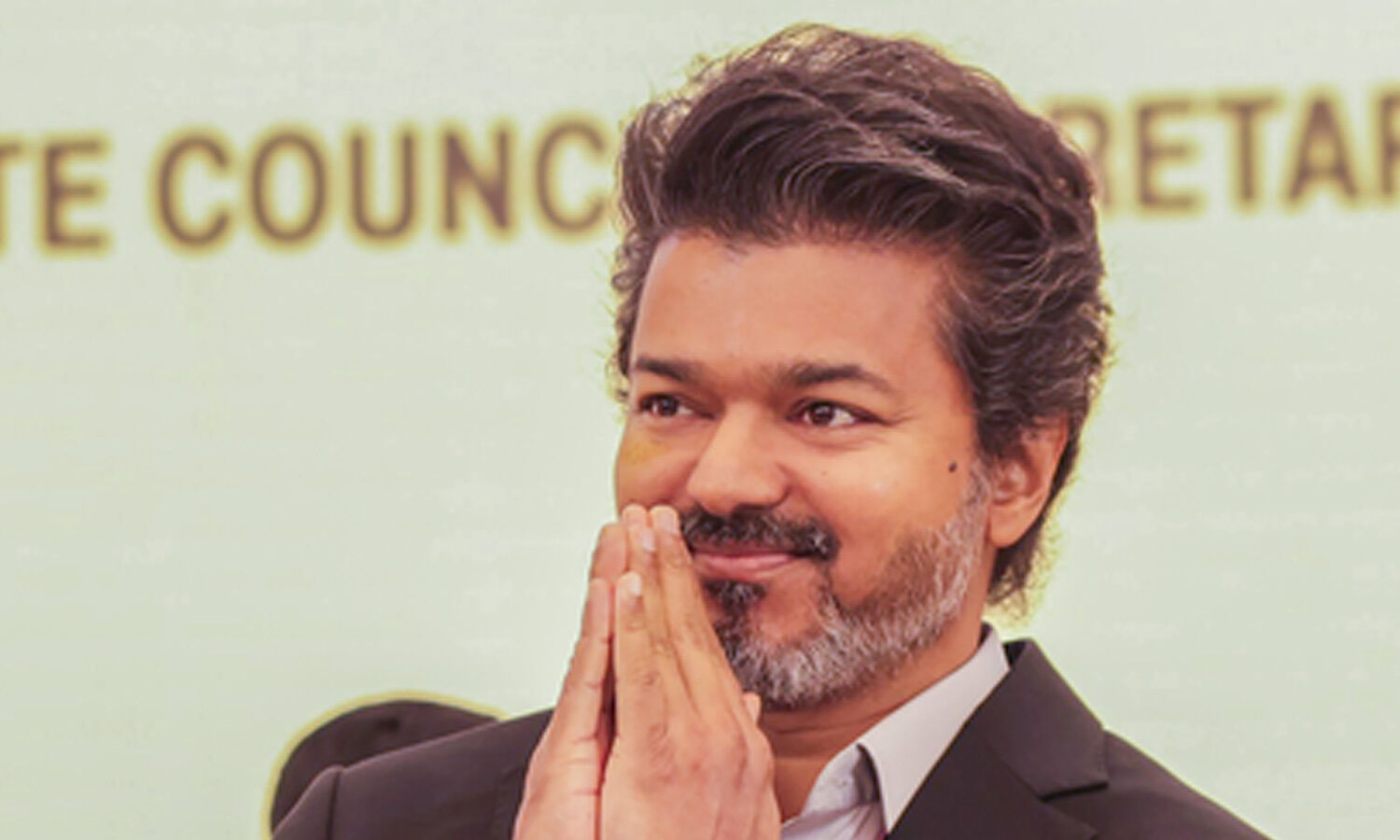
CM Vijay Plans Britain Tour to Attract Tamil Nadu Investment
US and Australia Commit $580 Million for Pacific Islands

Tamil Nadu CM Vijay Plans UK Investment Outreach
Minoo Masani’s Vision for an Anti-Communist Asian Alliance