1 week ago
U.S. Alliance Uncertainty Grows as Korea Exercise Scales Back

The United States and South Korea practise together every year in a military exercise called Ulchi Freedom Shield.
This exercise helps their soldiers learn how to work together during a war.
The United States is now planning to make the exercise much smaller.
One reason mentioned is that South Korea did not want to support the United States’ war against Iran.
Critics worry this makes the alliance seem like a trade, where help depends on unrelated political choices.
They say North Korea may become less sure that the United States would help South Korea in a crisis.
North Korea has also gained military experience by cooperating with Russia.
The article says South Korea can defend itself and that changing an exercise does not automatically destroy an alliance.
However, repeated uncertainty could make allies rely less on the United States.

The United States is substantially reducing the annual Ulchi Freedom Shield exercise with South Korea.
The decision has been linked partly to South Korea’s reluctance to support the United States’ war against Iran.
Critics say tying one theatre’s security obligations to another makes the alliance appear transactional and less predictable.
Ulchi Freedom Shield helps U.S. and South Korean forces practise joint wartime operations and absorb lessons from changing conflicts.
The article says the alliance is not collapsing, but uncertainty could encourage allies to prepare for less dependable U.S. protection.
- Who
- The United States, South Korea, President Donald Trump, and North Korea are central to the article.
- What
- The annual Ulchi Freedom Shield military exercise is being substantially scaled back.
- Where
- The exercise involves United States and South Korean forces on the Korean Peninsula.
- When
- The decision concerns the latest annual exercise; the article does not provide a specific date.
- Why
- The reduction has been linked partly to South Korea’s reluctance to support the United States’ war against Iran, along with other considerations.
Critics of the reduction
Case for adjustment
Alliance commitments
Critics of the reduction
Critics argue that linking support in one strategic theatre to political compliance in another makes collective defence appear conditional and weakens predictability.
Case for adjustment
The article acknowledges that the United States is entitled to ask allies to make greater contributions and that alliances must evolve.
Military preparedness
Critics of the reduction
Critics warn that reducing joint training could carry a military cost while North Korea is acquiring new capabilities and battlefield experience.
Case for adjustment
The reduction itself need not be catastrophic because exercises can be adjusted, and South Korea is described as capable of defending itself.
Strategic consequences
Critics of the reduction
Critics say visible uncertainty may weaken deterrence and encourage allies to prepare for a world in which United States promises are less certain.
Case for adjustment
The article does not present the exercise change as an abandonment of South Korea or evidence that the alliance is collapsing.
Key facts
- Exercise
- Ulchi Freedom Shield, an annual United States–South Korea military exercise
- Change
- The exercise is being substantially scaled back.
- Stated linkage
- The decision has been linked partly to South Korea’s reluctance to support the United States’ war against Iran.
- Military purpose
- The exercise allows forces to practise operating together under wartime conditions.
- North Korean capability
- North Korea has gained battlefield experience through military cooperation with Russia, including drone-warfare experience and other technologies tested in Ukraine.
- Alliance assessment
- The article says the United States–South Korea alliance is not collapsing.
Sources
Related news
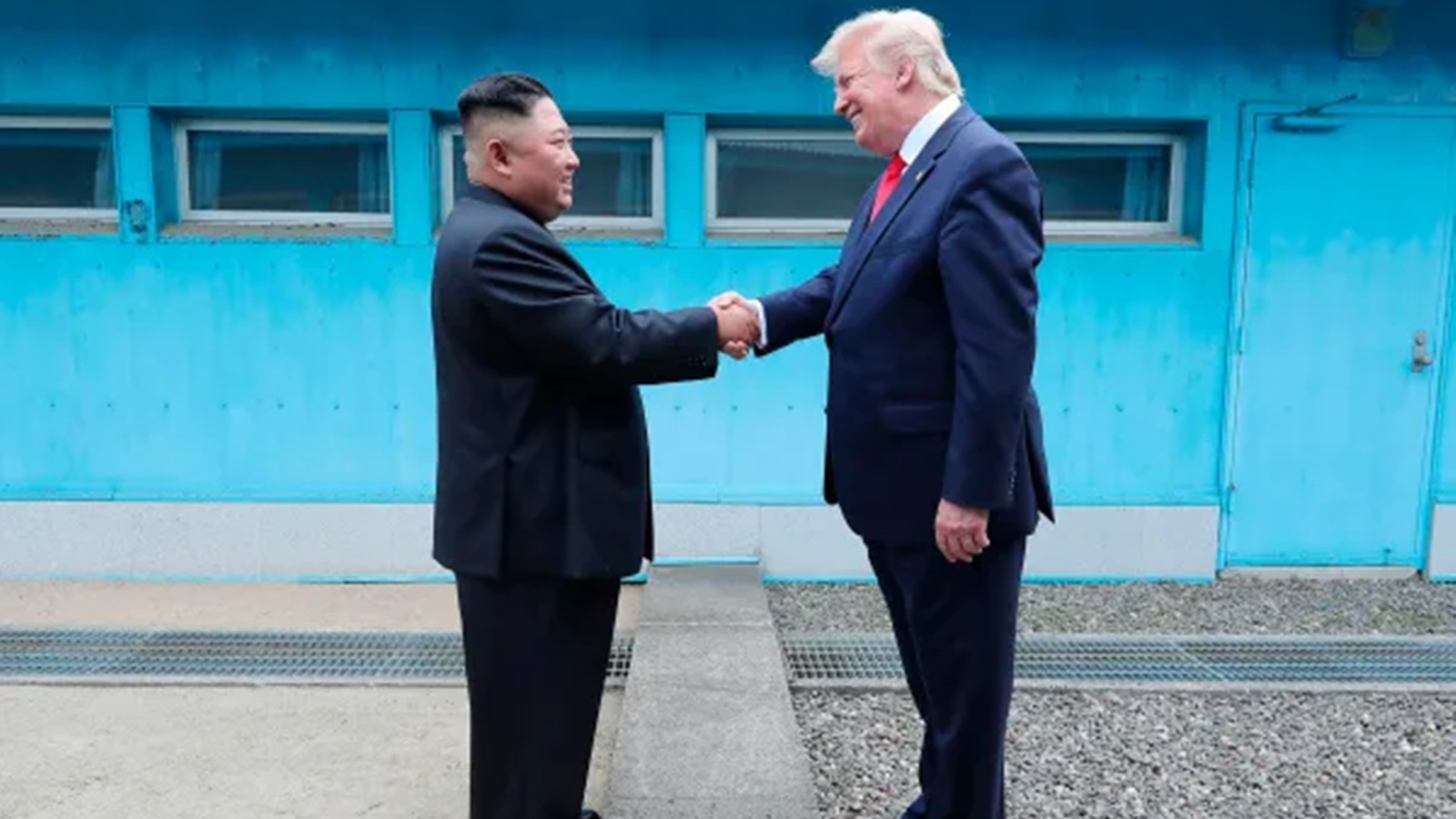
Trump Scales Back South Korea Drills, Alarming Allies

Trump’s North Korea Overture Deepens Asian Allies’ Doubts
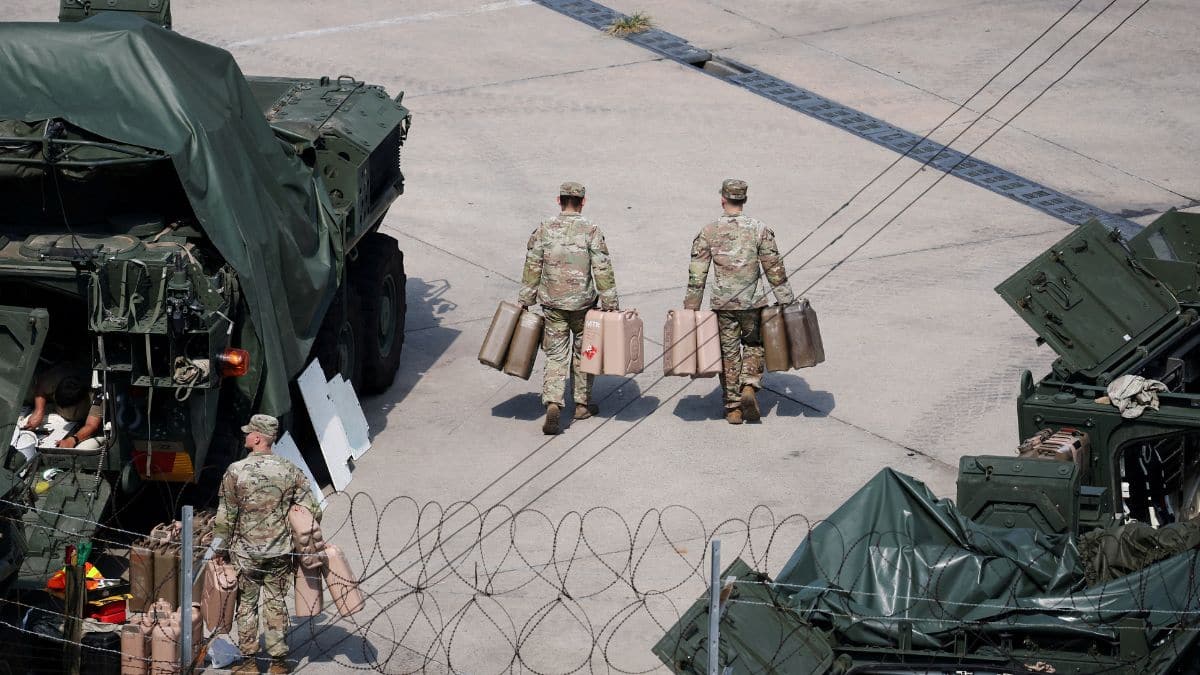
US–South Korea Military Drill Ends Six Days Early
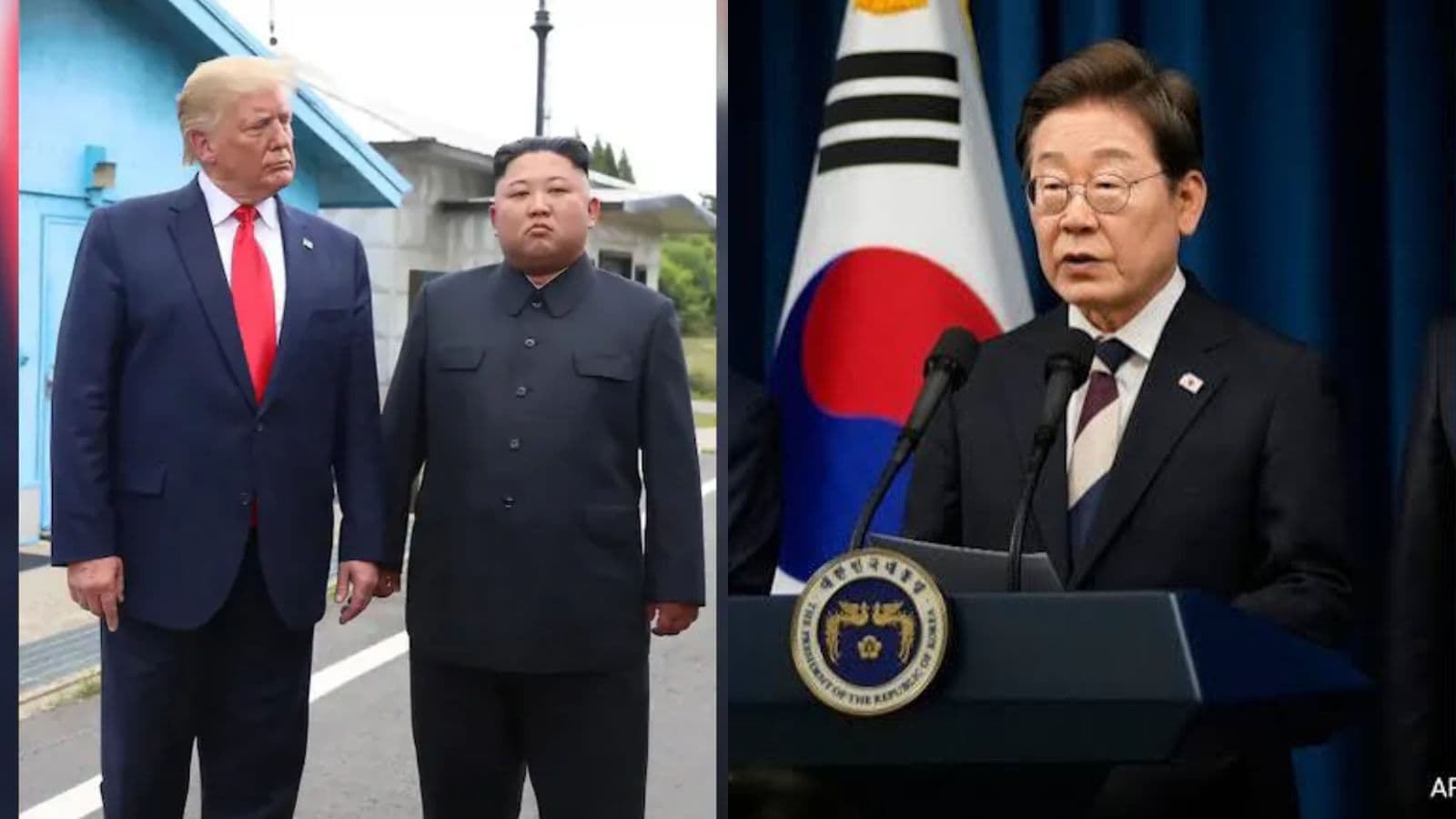
South Korea Hopeful US-North Korea Talks After Trump Cuts Drills
US-South Korea relationship evolves under Trump's deal-focused approach
US-South Korea Military Drills Cut Short After Trump Order
Russia Vows Civil Aviation Safety Amid Ukraine Drone Warning

Germany Blames Russia for Leipzig Drone Attack, Europe Vows Response
Russian Strikes Cut Odesa Power as Kyiv Attacks Continue
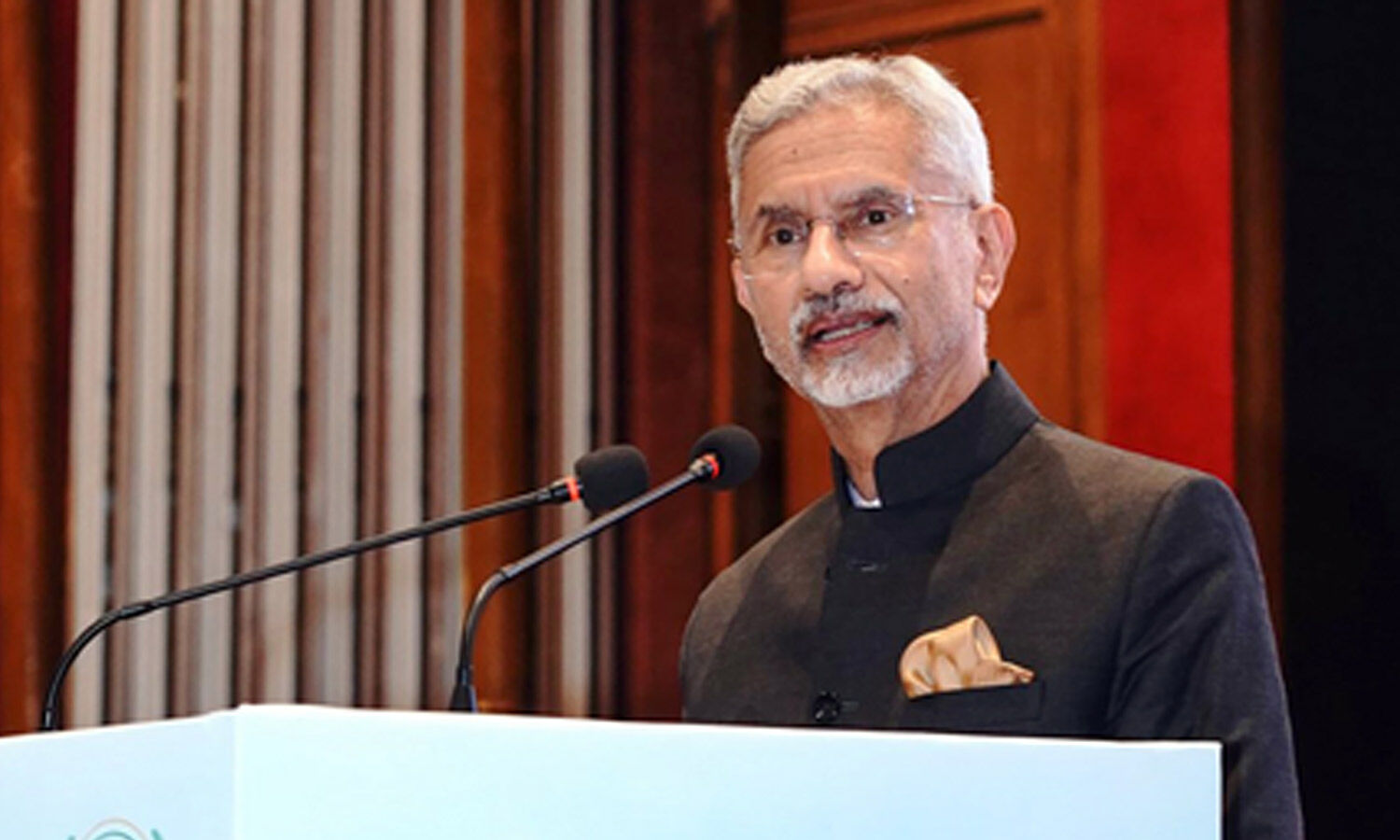
Jaishankar to Visit Ukraine and Poland Amid Black Sea Tensions

Musk Reportedly Opposes Ukraine’s Starlink Drone Operations Inside Russia