3 weeks ago
Treasury yields fall on Strait of Hormuz deal hopes

Governments borrow money by selling bonds called Treasurys, and the interest they pay is called the yield.
On Wednesday, Treasury yields went down.
That happened partly because oil prices dropped.
Oil prices dropped because people hoped a deal would reopen the Strait of Hormuz, an important waterway for ships.
The U.S. and Iran have been talking about ending a war.
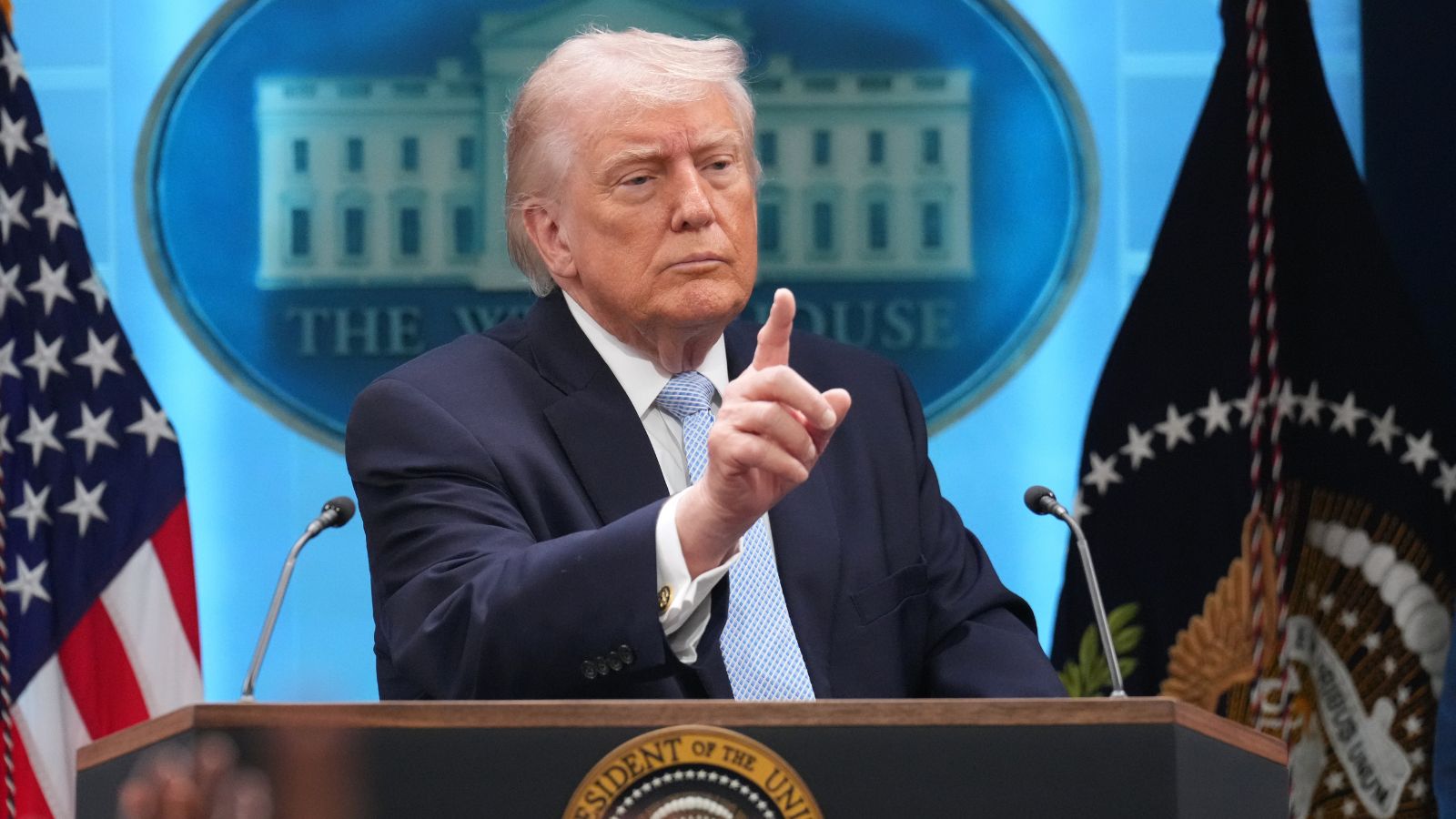
President Donald Trump said the talks were going well but warned he could hit Iran 'really hard' without a deal.
Lower oil prices can help slow rising prices, which is called inflation.
Traders now think there is a 55% chance the Federal Reserve will raise interest rates in September.
A report showed fewer new jobs were created in July than expected.
On Friday, the government will release a bigger jobs report that many people are waiting to see.

Treasury yields fell on Wednesday as oil prices dipped on hopes of the Strait of Hormuz reopening.
U.S. President Donald Trump called Tuesday's talks with Iran an 'all-day negotiation' but threatened to hit Iran 'really hard' if no deal is reached.
A proposed deal between Iran and Oman would give Iran control over ships entering the Gulf through the Strait of Hormuz.
Fed funds futures traders price 55% odds of a Federal Reserve rate hike in September, down from 68% on Monday.
The ADP report showed U.S. private payrolls rose 44,000 in July, about 25,000 below expectations, ahead of Friday's jobs report.
- Who
- U.S. President Donald Trump, Iran, Oman, the Federal Reserve, the U.S. Treasury Department, and traders awaiting Friday's July jobs report.
- What
- Treasury yields fell as oil prices dipped on hopes of reopening the Strait of Hormuz, while Fed rate-hike odds declined and Treasury issuance plans stayed steady.
- Where
- U.S. financial markets, with negotiations concerning the Strait of Hormuz and the Gulf region.
- When
- Wednesday, August 5.
- Why
- Hopes for a U.S.-Iran deal that would reopen the Strait of Hormuz pushed oil prices down, while traders weighed economic data and Federal Reserve rate expectations.
Key facts
- 2-year Treasury yield
- 4.187%, lowest since July 20
- 10-year Treasury yield
- 4.615%
- 2-10 year yield curve
- 42.6 basis points, steepened
- September Fed rate hike odds
- 55%, down from 68% on Monday
- July ADP private payrolls
- +44,000, about 25,000 below expectations
- Annual wage growth (ADP)
- 4.4%
- Friday jobs report expectations
- 80,000 jobs added; unemployment steady at 4.2%
- Treasury issuance
- Coupon and floating-rate note issuance steady for at least several quarters
Quotes
Gennadiy Goldberg
Head of U.S. rates strategy at TD Securities
“The pattern we're getting on the energy prices is kind of a range-bound channel, where when it gets too high the U.S. has this incentive to de-escalate, and when it gets too low Iran has the incentive to elevate again.”
 livemint.com
“If we just stay in that range over the next six to 12 months, I think what's likely to happen is we're going to see overall core inflation drift lower.”
livemint.com
Sources
Related news
US Treasury yields rise as oil climbs before jobs report

Treasury yields fall as jobs report dashes Fed hike bets

Wall Street Cautious Rebound as Oil Eases on Hormuz Hopes

Asian Stocks Edge Higher on US Jobs Data; Oil Climbs

Gold Jumps on Weak US Jobs Data, Rate-Hike Hopes

U.S.-Iran Exchange Escalates Across Middle East, Markets Slide
Trump Aides Seek Quiet Iran War Before Midterm Elections
US Warns Middle East Travelers Amid Escalating Iran-Linked Tensions

Indian Stocks Slide as Oil, Conflict and Yields Rise

Silver Rate Today: Prices Fall 0.83% Across Indian Cities