3 weeks ago
US Treasury yields rise as oil climbs before jobs report

Governments borrow money by selling special savings notes called Treasury bonds.
When people worry, they buy these notes, and when they feel safer, they sell them.
This week, many people worried about a very important waterway called the Strait of Hormuz.
A country called Iran said it might stop ships from the United States and Israel from using it.
That made the price of oil jump, because lots of oil travels through that waterway.
When oil gets more expensive, many other things can get more expensive too.
Because of this worry, the income on US Treasury notes went up on Thursday.
Investors were also waiting to see how many new jobs were created last month.
A big government report about jobs was coming the next day.
So the markets were nervous, watching to see what would happen next.

US Treasury yields rose on Thursday as oil prices climbed more than $3 a barrel on concerns about access to the Strait of Hormuz, ahead of Friday's July jobs report.
An Iranian parliament committee is reviewing a bill that would ban US and Israeli vessels from the Strait of Hormuz and fine violators up to a fifth of their cargo's value.
Iran warned Gulf states it would hit their oil, power and water plants unless they convince President Donald Trump to end US strikes on Iran and seek a negotiated end to the war that began in February.
Economists polled by Reuters expect employers to have added 80,000 jobs in July, with the unemployment rate holding steady at 4.2%.
Fed funds futures traders are pricing in 59% odds of a rate hike at the Federal Reserve's September meeting.
- Who
- Investors, the US Treasury market, the Federal Reserve, and Iran, which warned Gulf states about the Strait of Hormuz.
- What
- US Treasury yields rose as oil prices climbed more than $3 a barrel on Strait of Hormuz access concerns, ahead of Friday's July jobs report.
- Where
- US financial markets, with the Strait of Hormuz at the center of tensions.
- When
- Thursday, Aug 6, ahead of Friday's July payrolls report.
- Why
- An Iranian parliamentary committee is reviewing a bill to ban US and Israeli vessels from the strait, and Iran warned Gulf states it could target their oil, power and water plants unless US strikes on Iran end.
Iran's Position
US and Market Position
Strait of Hormuz access
Iran's Position
Iran's parliament committee is reviewing a bill banning US and Israeli vessels from the strait, and Iran told Gulf states it would hit their oil, power and water plants unless they convince President Trump to end US strikes and negotiate an end to the war.
US and Market Position
Markets prefer the strait to remain open, betting that a deal to reopen it would keep oil prices and inflation in check; US strikes on Iran are ongoing and no negotiated end to the war has been reached.
Key facts
- 2-year Treasury yield
- 4.252% (up 7.26 basis points)
- 10-year Treasury yield
- 4.674% (up 5.67 basis points)
- Yield curve (2s/10s)
- 42 basis points
- Expected July job growth
- 80,000 jobs (Reuters poll)
- Unemployment rate
- 4.2% (expected to hold steady)
- Weekly jobless claims
- Increased slightly last week
- July layoffs
- Dropped to a two-year low
- Fed rate hike odds (September)
- 59% per fed funds futures traders
Quotes
Will Compernolle
Macro strategist at FHN Financial
“"Even if there is a weak report tomorrow (Friday), people will consider it noise for the time being because there are so many other signs of strength and it doesn't seem to be guiding the inflation trajectory or the Fed's policy path."”
 livemint.com
“"It's better that the strait is open than it is not. But the longer that this back and forth goes on, the more I think it weighs on inflation expectations, it'll weigh on growth."”
livemint.com
Sources
Related news
Treasury yields fall on Strait of Hormuz deal hopes

Wall Street Cautious Rebound as Oil Eases on Hormuz Hopes

Treasury yields fall as jobs report dashes Fed hike bets

Asian Stocks Edge Higher on US Jobs Data; Oil Climbs

Gold Steady, Oil Rises on Iran Hormuz Vessel Ban Proposal

Saudi Arabia Says Iranian Tanker Attack Killed Two Sailors
U.S.-Iran Exchange Escalates Across Middle East, Markets Slide
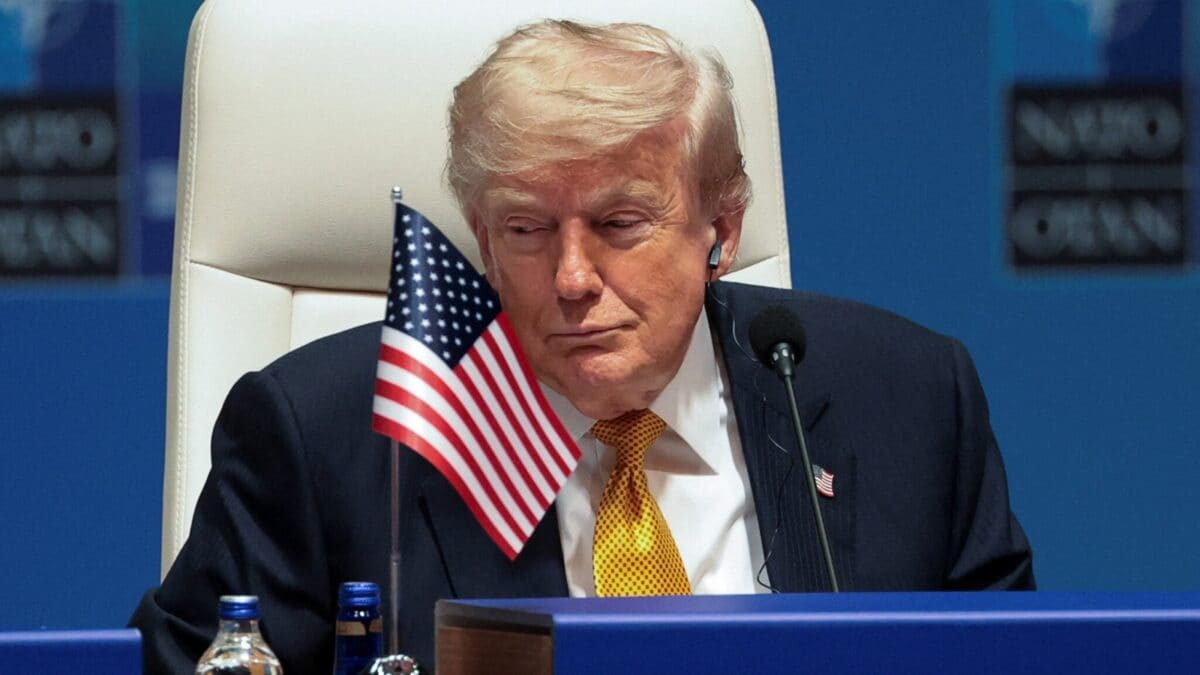
Trump Aides Seek Quiet Iran War Before Midterm Elections
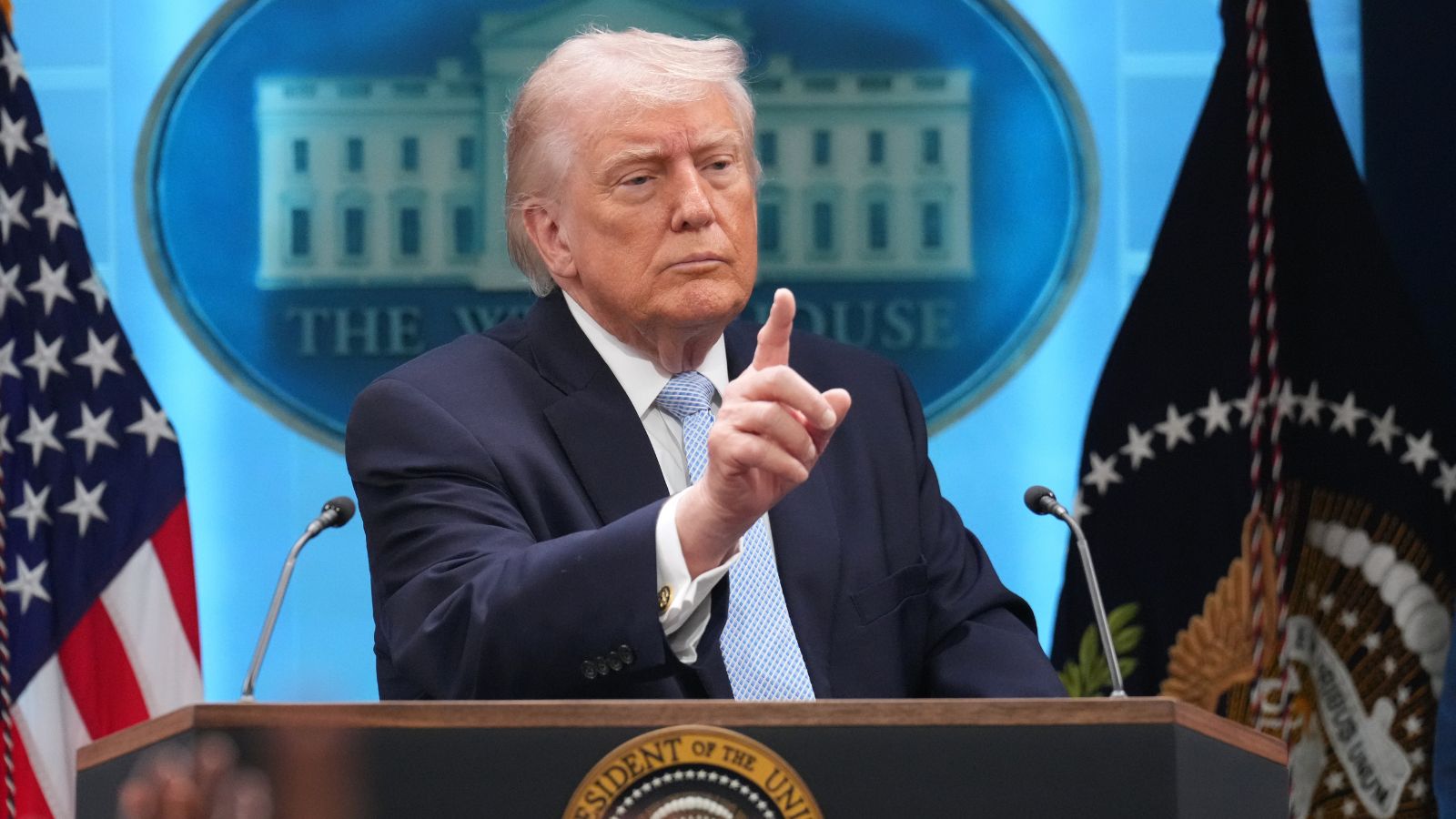
US Warns Middle East Travelers Amid Escalating Iran-Linked Tensions

Indian Stocks Slide as Oil, Conflict and Yields Rise