3 weeks ago
Wall Street Cautious Rebound as Oil Eases on Hormuz Hopes

The stock market is a place where adults buy and sell small pieces of companies.
This morning, prices in the market stayed mostly the same, with some going up a little and others going down a little.
That happened partly because the price of oil cooled off after people started hoping that the United States and Iran might make a deal.
The deal is about a very important waterway called the Strait of Hormuz, where many ships carrying oil sail.
Pakistan's defense minister said the two countries were 'close to some sort of arrangement' over that strait.
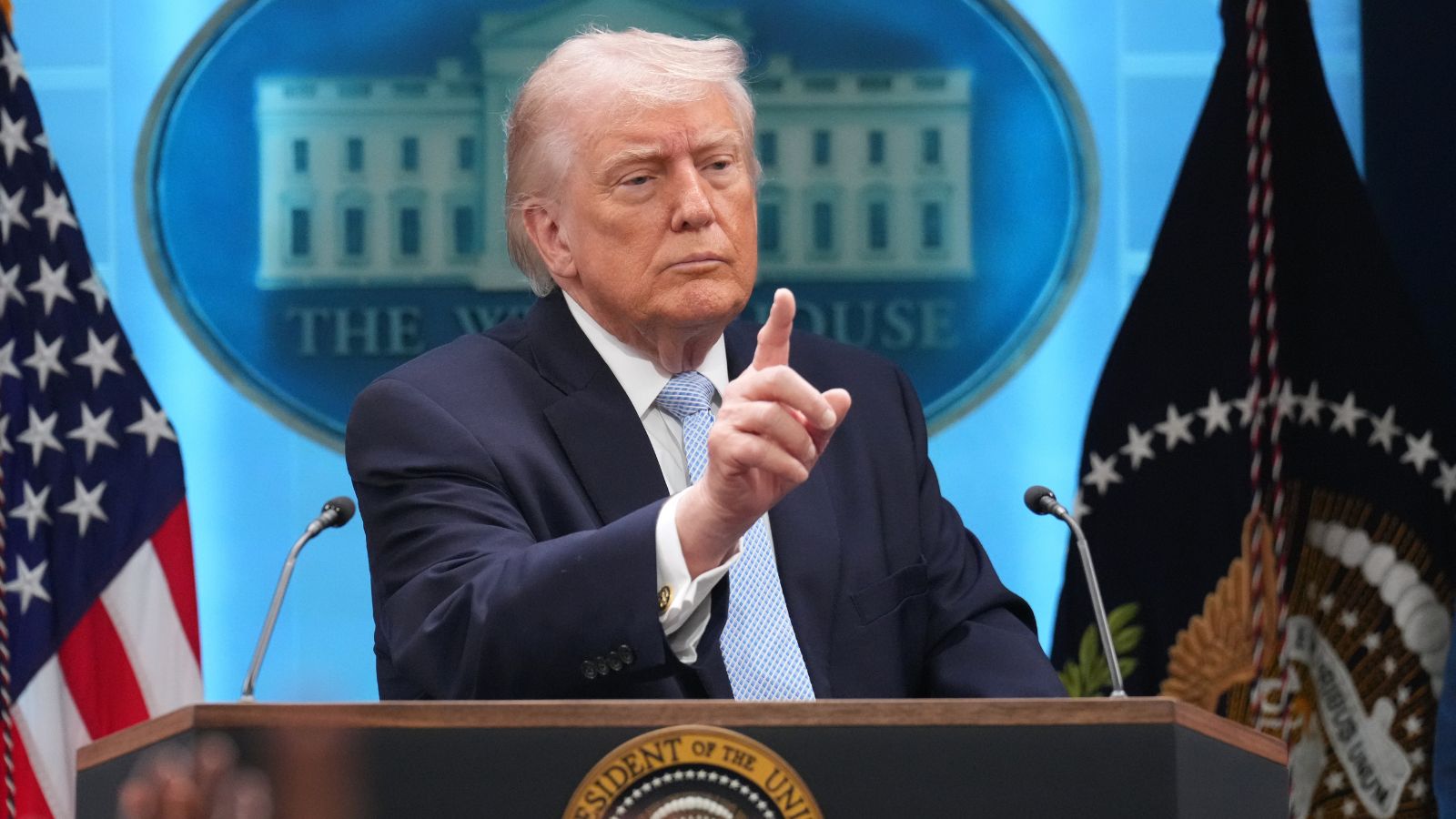
President Donald Trump said Iran should pay for harm connected to attacks on its behalf.
Big technology companies like Meta and Alphabet had mixed results, with Meta's price going up and Alphabet's going down.
Experts are also waiting for a government report about whether everyday things are getting more expensive.
If prices stop rising so fast, the central bank called the Federal Reserve may keep interest rates steady.

The S&P 500 hovered near its record high, with the Dow Jones Industrial Average up 101 points (0.2%) while the Nasdaq Composite slipped 0.1% in early trading.
Pakistan's defense minister said Washington and Tehran were 'close to some sort of arrangement' over the Strait of Hormuz, even as both sides appeared to keep firm positions.
President Donald Trump said Iran should pay reparations for people killed in attacks linked to the Islamic Republic and during domestic protests.
The 10-year US Treasury yield eased to 4.68% from 4.72% at Monday's close, though it remains well above the 3.97% level seen before the conflict, and long-term mortgage rates hit a one-year high.
Existing-home sales fell to a three-month low in July, while small-business optimism climbed to its highest level in nearly a year.
- Who
- Wall Street investors and traders, President Donald Trump, Pakistan's defense minister, and US Federal Reserve officials
- What
- US stocks staged a cautious rebound as oil prices eased on hopes of a Washington-Tehran arrangement over the Strait of Hormuz, with investors awaiting inflation data
- Where
- United States financial markets, with negotiations centered on the Strait of Hormuz
- When
- During the trading session reported by 9:35 a.m. ET, in the context of a US-Iran conflict that began in late February
- Why
- Easing oil prices, optimism over a potential Hormuz deal, and anticipation of US consumer price index data supported a cautious market rebound
De-escalation and Steady Rates
Firm Positions and Rate Hikes
Federal Reserve interest rate policy
De-escalation and Steady Rates
A continued decline in consumer prices could strengthen the case for the Fed to keep interest rates steady, according to Dennis Follmer of Montis Financial.
Firm Positions and Rate Hikes
Three Fed officials dissented at the July 29 meeting in favor of raising interest rates.
Strait of Hormuz negotiations
De-escalation and Steady Rates
Pakistan's defense minister said Washington and Tehran were 'close to some sort of arrangement' over the Strait of Hormuz, raising hopes of de-escalation.
Firm Positions and Rate Hikes
Both sides appeared to maintain firm positions in negotiations, and President Trump said Iran should pay reparations for attacks linked to the Islamic Republic.
Key facts
- S&P 500
- Largely unchanged, hovering near Friday's record high
- Dow Jones Industrial Average
- Up 101 points, or 0.2%, by 9:35 a.m. ET
- Nasdaq Composite
- Down 0.1%
- 10-year US Treasury yield
- 4.68%, down from 4.72% at Monday's close
- 10-year Treasury yield before conflict
- 3.97%
- US mortgage rates
- Highest level in a year
- Existing-home sales (July)
- Three-month low
- US-Iran conflict start
- Late February
Quotes
Pakistan’s defense minister
Defense Minister of Pakistan
“"Washington and Tehran were ‘close to some sort of arrangement’ over the Strait of Hormuz"”
 businesstoday.in
Sources
Related news

Treasury yields fall on Strait of Hormuz deal hopes
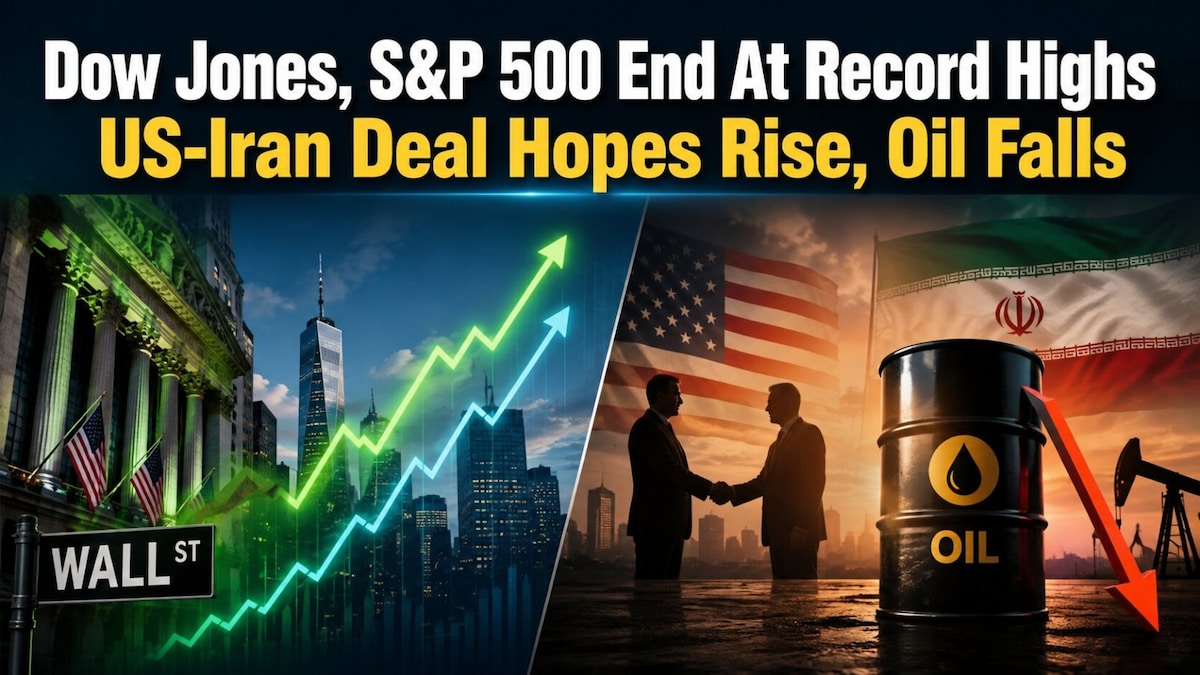
Dow Jones Hits Record as Oil Falls on Iran Talk Hopes
Oil prices rise as US-Iran talks stall over Hormuz
US Treasury yields rise as oil climbs before jobs report

Asian Stocks Edge Higher on US Jobs Data; Oil Climbs
US-Iran truce expires as oil rises, bond yields climb

Saudi Arabia Says Iranian Tanker Attack Killed Two Sailors
U.S.-Iran Exchange Escalates Across Middle East, Markets Slide
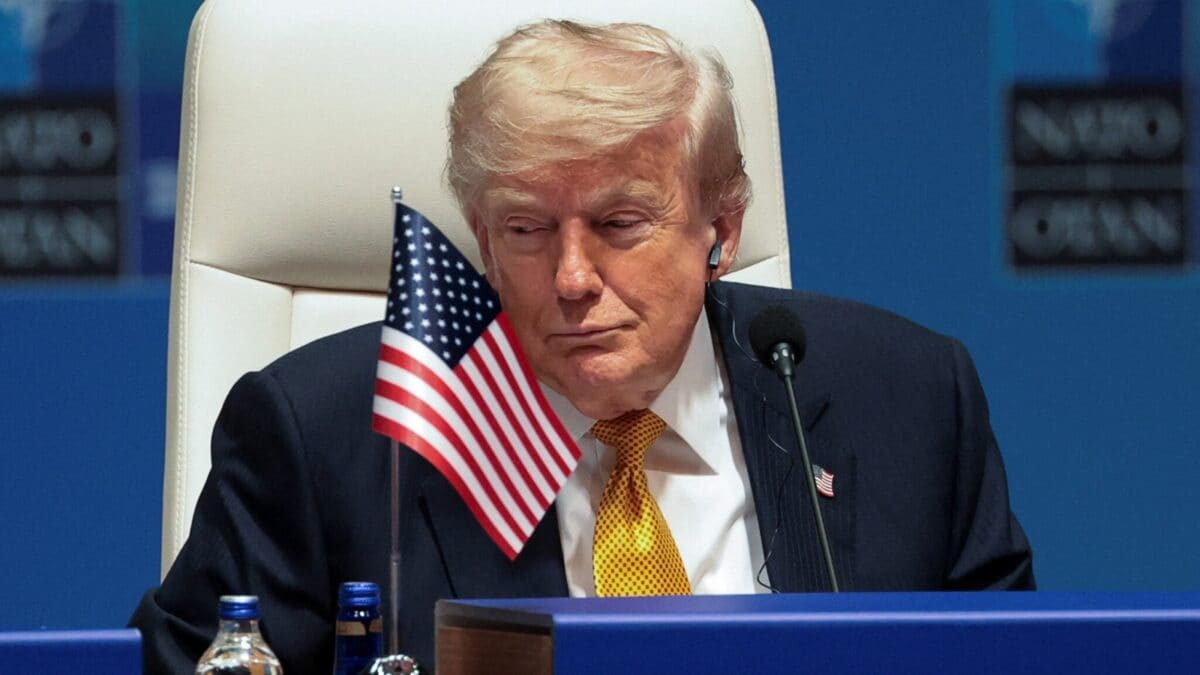
Trump Aides Seek Quiet Iran War Before Midterm Elections
US Warns Middle East Travelers Amid Escalating Iran-Linked Tensions

Indian Stocks Slide as Oil, Conflict and Yields Rise