3 hrs ago
Canada’s Retaliatory Tariffs Escalate Trade War With United States
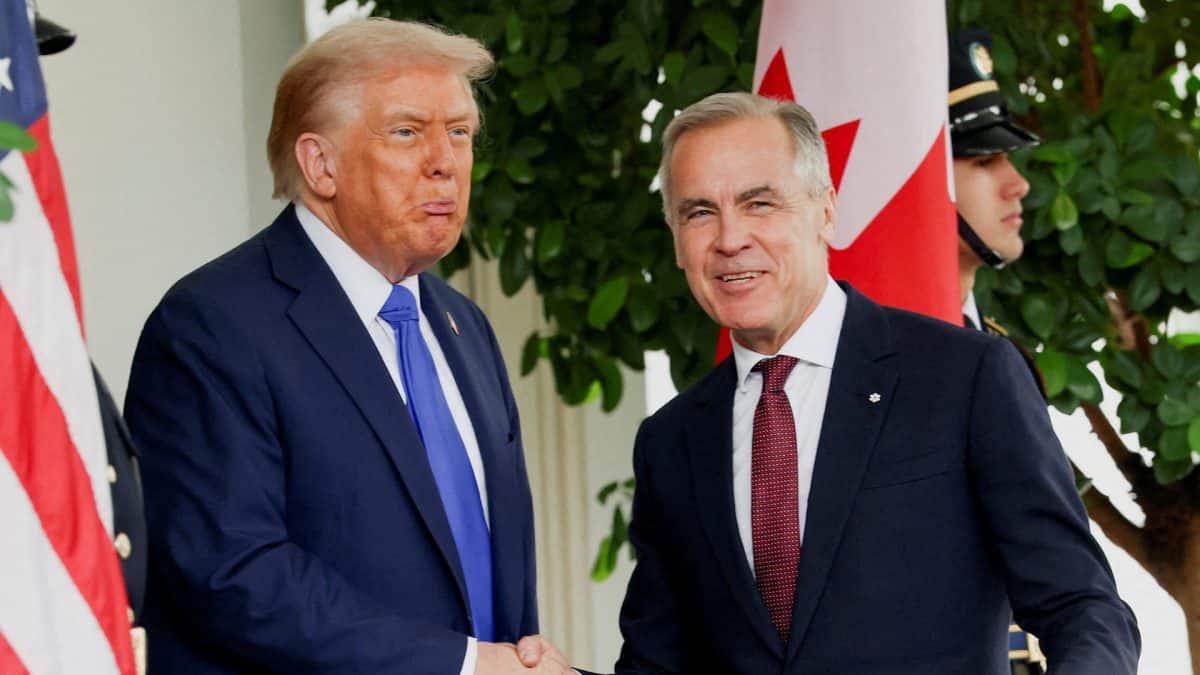
Canada has started charging extra fees on many goods from the United States.
The fees cover about $20 billion worth of American products.
They range from 15% to 50%, depending on the item.
Canada says the tariffs create pressure after trade talks with the United States broke down.
The United States has already placed similar tariffs on some Canadian products.
The two countries have been involved in this trade fight for about 18 months.
Businesses are worried because the countries depend on each other for manufacturing, farming and energy.
Leaders still say they want a deal, but there are currently no official talks between them.

Canada’s retaliatory tariffs on about $20 billion of U.S. goods took effect shortly after midnight Tuesday.
The duties range from 15% to 50% and cover products including steel, aluminium, furniture, clothing, electronics, appliances and farm equipment.
The measures followed the collapse of Canadian-U.S. negotiations last month, with both governments blaming each other for the breakdown.
The United States has imposed tariffs on about $20 billion of Canadian exports, including wine, dairy, cement, clothing and hockey products.
The dispute is increasing uncertainty about investment, supply chains and the future of the United States–Mexico–Canada Agreement.
- Who
- The Canadian government led by Prime Minister Mark Carney and the U.S. government led by President Donald Trump.
- What
- Canada imposed retaliatory tariffs on about $20 billion of U.S. goods after trade negotiations stalled.
- Where
- The measures apply to trade between Canada and the United States.
- When
- The tariffs took effect shortly after midnight on Tuesday, September 8, following negotiations that collapsed the previous month.
- Why
- Canada said the tariffs would increase economic pressure and provide leverage after responding to U.S. tariffs on Canadian exports.
Canadian Leverage
Escalation Concerns
Purpose of the tariffs
Canadian Leverage
The Canadian government says it needs economic leverage after negotiations collapsed and is matching the value, and in many cases the rates, of U.S. tariffs.
Escalation Concerns
Trade representatives warn that retaliation could produce an escalatory spiral and increase costs for both economies.
Responsibility for stalled talks
Canadian Leverage
Canadian officials say they were ready to sign a deal benefiting both countries and have blamed the U.S. side for the breakdown.
Escalation Concerns
U.S. and Canadian officials have traded blame, while no ministerial or official talks are currently taking place.
Future of North American trade
Canadian Leverage
Canada says it remains ready to reach an agreement and is seeking to protect its economic interests while diversifying trade and investment.
Escalation Concerns
Businesses and analysts fear prolonged tariffs could harm investment, jobs, growth and the future stability of the United States–Mexico–Canada Agreement.
Key facts
- Canadian tariff coverage
- About $20 billion of U.S. goods
- Canadian tariff range
- 15% to 50%
- Affected U.S. products
- Steel, aluminium, furniture, clothing, electronics, appliances, cosmetics, cheese and farm equipment
- U.S. tariff coverage
- About $20 billion, or 5%, of Canadian exports
- Canada’s U.S. export share
- Nearly 68% of Canada’s total exports this year
- Duty-free exports
- Roughly 80% of Canada’s exports to the United States moved duty-free under the USMCA
- USMCA treatment
- Reports differ: one says Canada’s tariffs exclude goods covered by USMCA exemptions, while another says the measures do not allow Ottawa to use those exemptions
Quotes
Michael Harvey
Executive director of the Canadian Agri-Food Trade Alliance and member of Prime Minister Mark Carney’s advisory committee on bilateral U.S. economic relations
“The Canadian government needs to keep channels open to the United States and not go overboard in terms of rhetoric and reacting to the rhetoric from the American side, while waiting for the American decision-making process to come back to economics.”
 theprint.in
 telegraphindia.com
“But at the same time, we totally understand that the prime minister needs to find areas of leverage.”
theprint.in
Sources

Related news

Canada Announces Dollar-for-Dollar Tariffs After US Trade Talks Collapse
US-Canada Trade Talks Collapse as 50% Tariffs Take Effect

Canada Retaliates With Up to 50% Tariffs on U.S. Goods
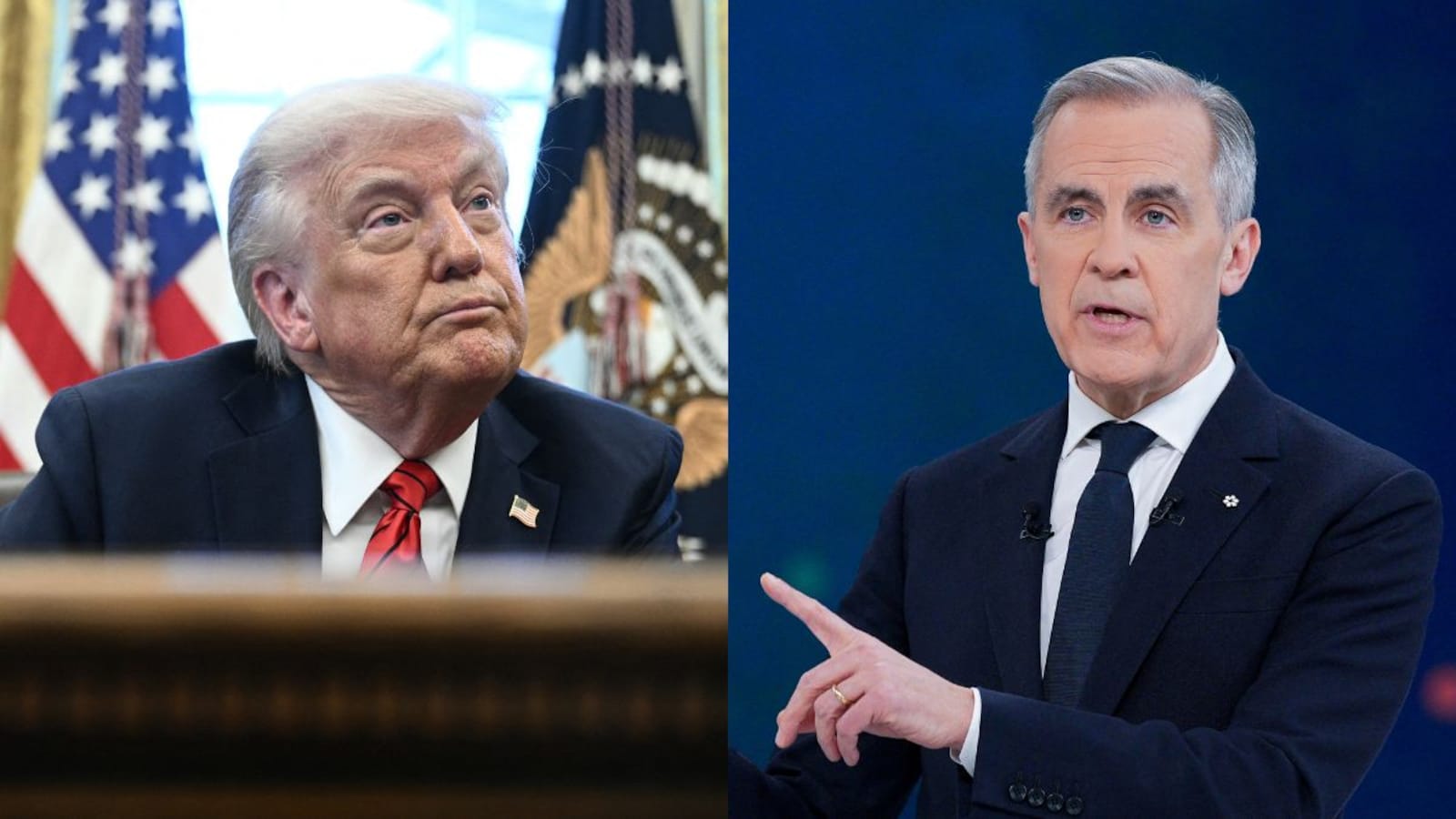
Canada Announces Retaliatory Tariffs as US Trade War Escalates
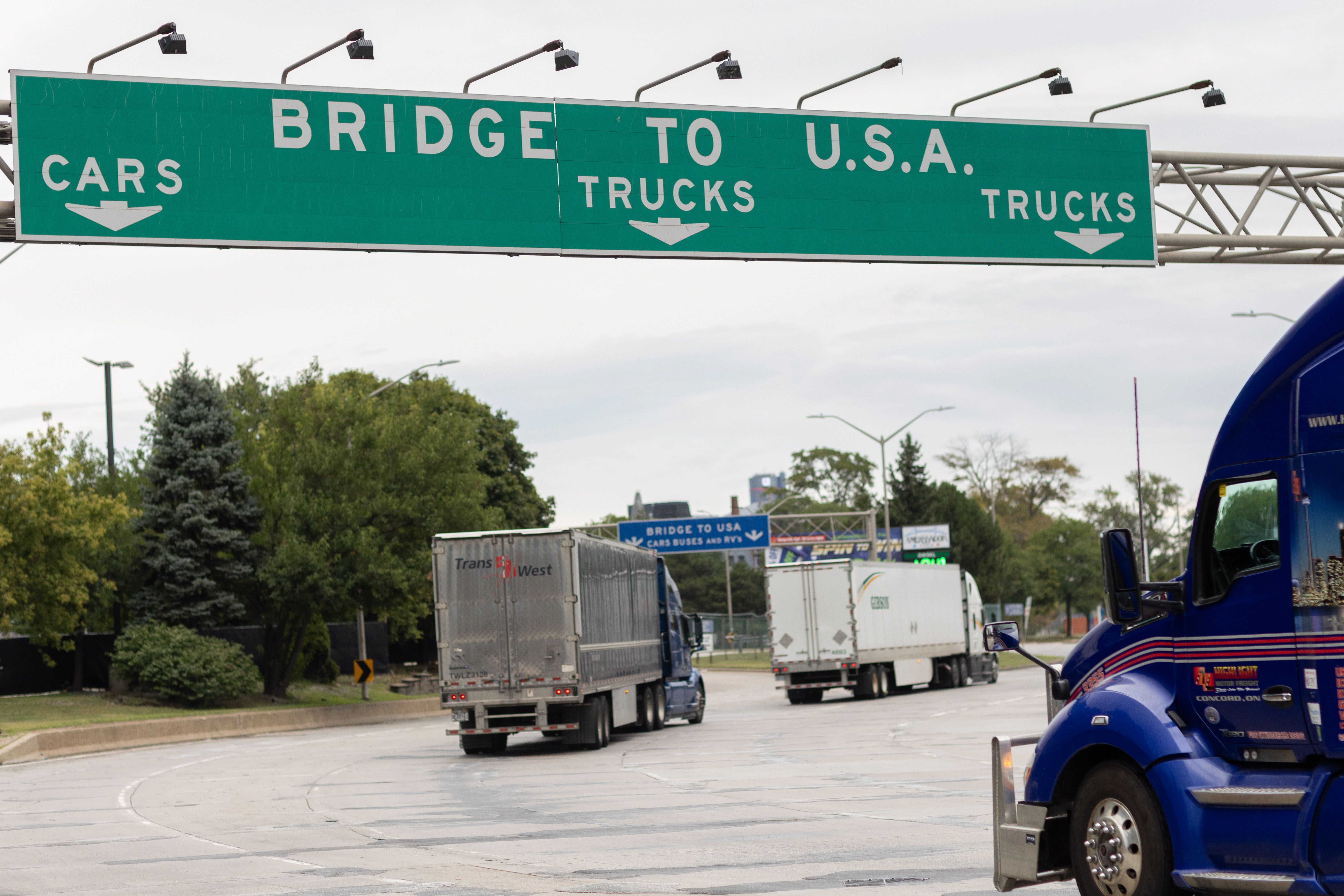
Canada Retaliates as Trade War with US Escalates

Canada-US Trade Talks Collapse as Tariffs Deepen Economic Rift
Trump’s pressure campaign strains alliances and reshapes global ties
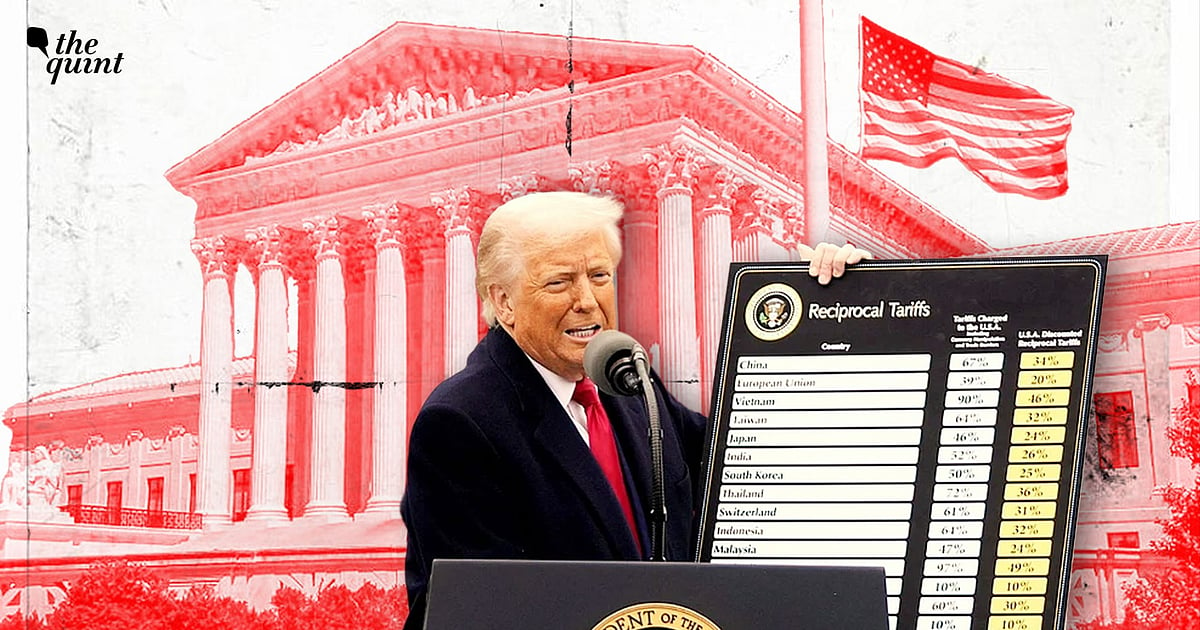
Canada Tariff Dispute Raises Wider Worry for New Delhi
Cheese Name Dispute Becomes Stumbling Block in U.S.-Mexico Talks
Canada Rejects Unequal US Trade Deal Despite Economic Risks