

1 hr ago
ISB Professor Urges Startup Equity Guarantees Over Debt

Prasanna Tantri thinks the government should support some start-up investments instead of mainly guaranteeing loans.
New companies can be risky and may not have enough money for regular loan payments.
He said taxpayers could lose money if some guaranteed investments fail.
However, he believes the losses could be smaller than the cost of a subsidy scheme for nonresident Indians.
He also thinks successful start-ups could create jobs and encourage innovation.
Tantri criticized recent measures involving foreign-currency borrowing and FCNR(B) deposits.
He said these measures brought about $136 billion in borrowed dollars into India.
He warned that India’s external debt might increase to nearly $900 billion.
A sudden need to repay many dollars at once could put pressure on the rupee.

Prasanna Tantri said future government guarantees should support equity investments in innovative start-ups and small firms.
He argued that debt guarantees may not suit risky new businesses unable to manage fixed repayments.
Tantri warned that FCNR(B) deposits, external commercial borrowings and other foreign-currency loans have mobilised about $136 billion.
He said India’s external debt could rise from roughly $765 billion to nearly $900 billion.
Tantri identified clustered dollar outflows as a major risk if geopolitical or market conditions deteriorate before repayments are due.
- Who
- ISB finance professor Prasanna Tantri, with concerns involving the Reserve Bank of India’s measures.
- What
- Tantri proposed partial government guarantees for equity investments in innovative start-ups and small firms, while warning about risks from foreign-currency borrowing.
- Where
- The proposals and warnings concern India and were discussed in a series of posts on X.
- When
- Tantri raised the start-up proposal on September 13, 2026, and discussed the FCNR(B) concerns on September 3.
- Why
- He said equity support could promote innovation, investment and jobs, while foreign-currency borrowing could create repayment and rupee-pressure risks.
Startup Equity Guarantees
Debt Guarantees and Current Measures
Suitable support for new firms
Startup Equity Guarantees
Tantri says risky, innovative firms may be unable to support fixed debt repayments, so partial equity guarantees could be more suitable.
Debt Guarantees and Current Measures
The current approach relies on debt guarantees, which Tantri says does not work well for new and innovative firms.
Risk to taxpayers
Startup Equity Guarantees
Taxpayers could lose money on some equity guarantees, but Tantri says total losses may be smaller than the cost of the NRI subsidy scheme and could bring economic upside.
Debt Guarantees and Current Measures
Debt guarantees and the NRI subsidy approach expose public finances to risk without, in Tantri’s view, offering the same potential benefits for innovation, investment and jobs.
Managing supported companies
Startup Equity Guarantees
Tantri favors having respected corporate leaders manage guaranteed funds rather than giving the government a board seat.
Debt Guarantees and Current Measures
He rejected a government board seat and criticized a SIDBI-type model in which the government tries to invest directly.
Key facts
- Professor
- Prasanna Tantri, an ISB finance professor
- Proposed guarantee
- Partial guarantees for equity investments in innovative start-ups and small firms
- Foreign-currency funds
- About $136 billion mobilised through FCNR(B) deposits, external commercial borrowings and other foreign-currency borrowing
- Potential external debt
- Could rise from roughly $765 billion to nearly $900 billion
- Main repayment concern
- Large, scheduled dollar outflows could become concentrated and trigger early market exits
- Government involvement
- Tantri opposed giving the government a board seat and suggested respected corporate leaders manage guaranteed funds
Quotes
Prasanna Tantri
ISB finance professor commenting on the risks and potential costs of equity guarantees
“Bad idea sir in my view. Give a guarantee and have a team of respected corporate leaders manage the funds under the guarantee. SIDBI type plan also does not work where government tries to invest. Just follow this NRI model. Instead of offering subsidies to NRIs, offer it to start ups.”
 businesstoday.in
“Unlike the NRI subsidy scheme, however, this risk carries substantial upside for the country. It can stimulate innovation, investment, and job creation while helping India address its persistent "missing middle" problem.”
businesstoday.in
Sources
Related news
Professor Warns FCNR(B) Move Could Raise Debt, Liquidity Risks
RBI’s $136 Billion Dollar Strategy Faces Liquidity Risks
Rupee breathes via borrowed dollars as RBI swap window closes
RBI Governor Defends Calibrated Swaps, Regulation and Policy Hold
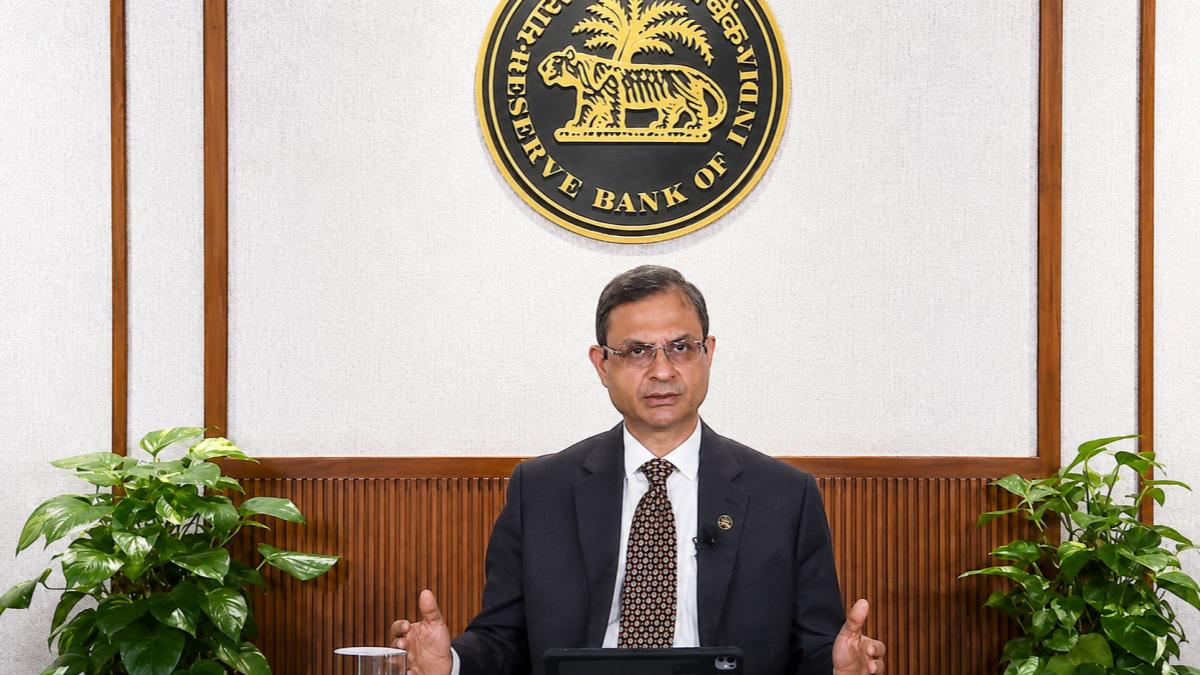
RBI Governor Defends Early Closure of FCNR(B) Swap Window

Sitharaman Seeks Stronger AI Safeguards Without Stifling Innovation
Africa Seeks Influence, Not Just Seats, at BRICS

BRICS Summit Seeks Cooperation Despite China’s Growing Influence and Divisions

Ministry Says Punjab Coal Supplies Adequate, Urges Better Mine Offtake

BRICS Vegetarian Dinner Menu Sparks Political Debate in India

Deepti Sharma Urges India to Respect Sri Lanka Final Threat
