38 mins ago
Africa Seeks Influence, Not Just Seats, at BRICS
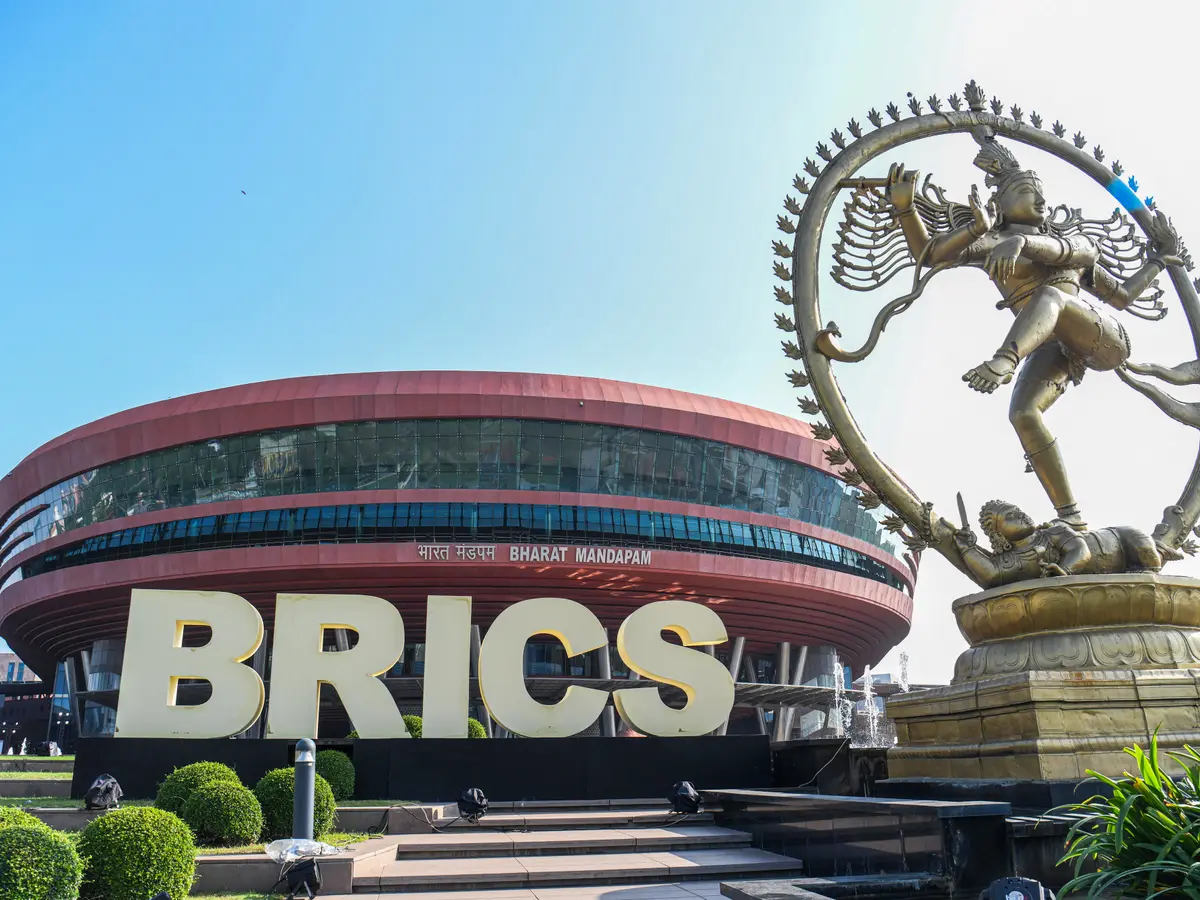
Africa is a large continent with many countries and more than 1.5 billion people.
Some African countries belong to BRICS, a group of emerging economies.
The article says Africa has gained recognition but still does not have enough influence.
It argues that simply adding more African countries may not solve the problem.
Too many members could make BRICS less able to make decisions.
The African Union could help African countries negotiate together.
Africa wants investment, technology, infrastructure and stronger industries.
India is praised for supporting a larger role for developing countries.
The article says Africa should work with both Western and Eastern powers without becoming dependent on either.
Its main message is that Africa should build its own power instead of only asking for more invitations.

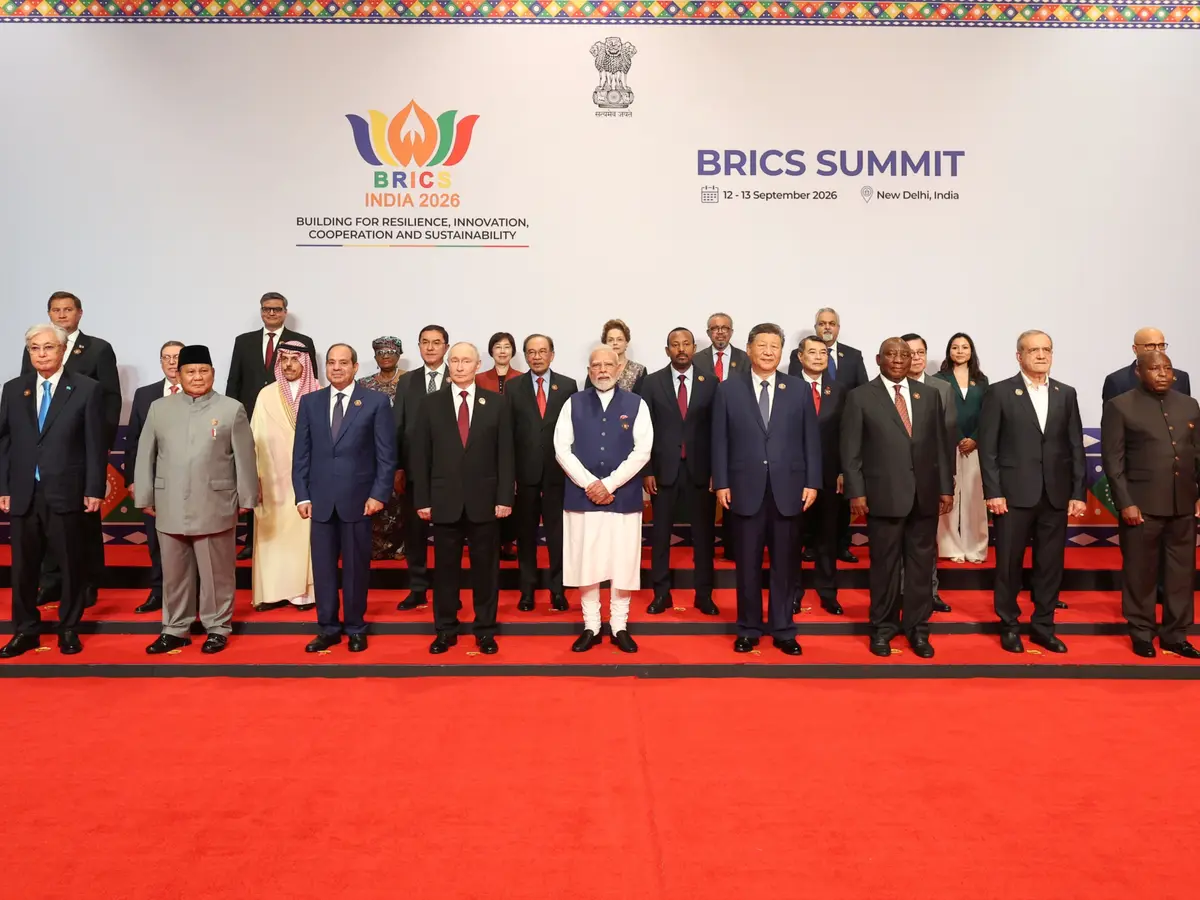
The New Delhi Declaration supports a more representative global order and greater participation by developing economies.
South Africa, Egypt and Ethiopia are full BRICS members, while Nigeria and Uganda are partner countries.
The article argues that Africa’s growing representation still falls short of its population, resources and potential influence.
It warns that adding members without coordination could make BRICS a larger talking shop with limited ability to act.
The African Union is urged to develop a common strategy focused on financing, industrialisation, technology, energy and financial reform.
- Who
- African countries, the African Union, BRICS and India are the main actors discussed.
- What
- The article argues that Africa should seek coordinated influence and concrete benefits in BRICS rather than merely additional membership seats.
- Where
- The BRICS Summit and New Delhi Declaration are referenced in connection with New Delhi; the broader issue concerns Africa’s role in global institutions.
- When
- The discussion follows the BRICS Summit and the adoption of the New Delhi Declaration; India’s 2026 BRICS chairship is also mentioned.
- Why
- Africa wants greater influence over financing, industrialisation, technology, energy, agriculture, global financial institutions and other decisions affecting the continent.
Broader Representation
Strategic Coordination
How Africa should gain influence
Broader Representation
More African participation in BRICS could support the broader representation of developing economies and give the continent a stronger presence in the group.
Strategic Coordination
Additional seats alone may not create meaningful power; Africa should first coordinate its goals and negotiate collectively through the African Union.
BRICS expansion
Broader Representation
Including more African countries could reflect Africa’s size, population, resources and role in the Global South.
Strategic Coordination
Expansion without coordination could turn BRICS into a large international talking shop with impressive declarations but limited ability to act.
Partnership with major powers
Broader Representation
India and other emerging powers can help advance African representation and challenge institutions based on an older balance of power.
Strategic Coordination
Africa should avoid replacing dependence on Western powers with dependence on Eastern powers and should become an independent pole of power.
Key facts
- African population
- More than 1.5 billion people
- African countries
- 54 countries
- African full BRICS members
- South Africa, Egypt and Ethiopia
- African BRICS partner countries
- Nigeria and Uganda
- Key declaration
- The New Delhi Declaration calls for a more representative global order and greater participation by developing economies.
- Proposed coordinating institution
- The African Union
- Mentioned BRICS chairship
- India’s 2026 chairship
Sources
Related news
BRICS Faces Test of Turning Expansion Into Effective Cooperation
BRICS Seeks to Move Global South From Rule-Taker to Rule-Shaper
Sookal Urges BRICS Leadership on Conflict, Trade and Global Governance
BRICS Backs India’s UN Role, Seeks Greater Global South Representation
BRICS Pushes Global South Representation Beyond Western Institutions

BRICS Expands as India Prepares to Host 2026 Summit
Why Saudi Arabia Makes BRICS a Ten- or Eleven-Member Bloc
Modi Holds Bilateral Talks With Leaders at BRICS Summit
Modi, El-Sisi Discuss India-Egypt Ties at BRICS Summit
Modi Meets Egypt’s El-Sisi During BRICS Summit In Delhi