1 week ago
RBI Governor Defends Calibrated Swaps, Regulation and Policy Hold
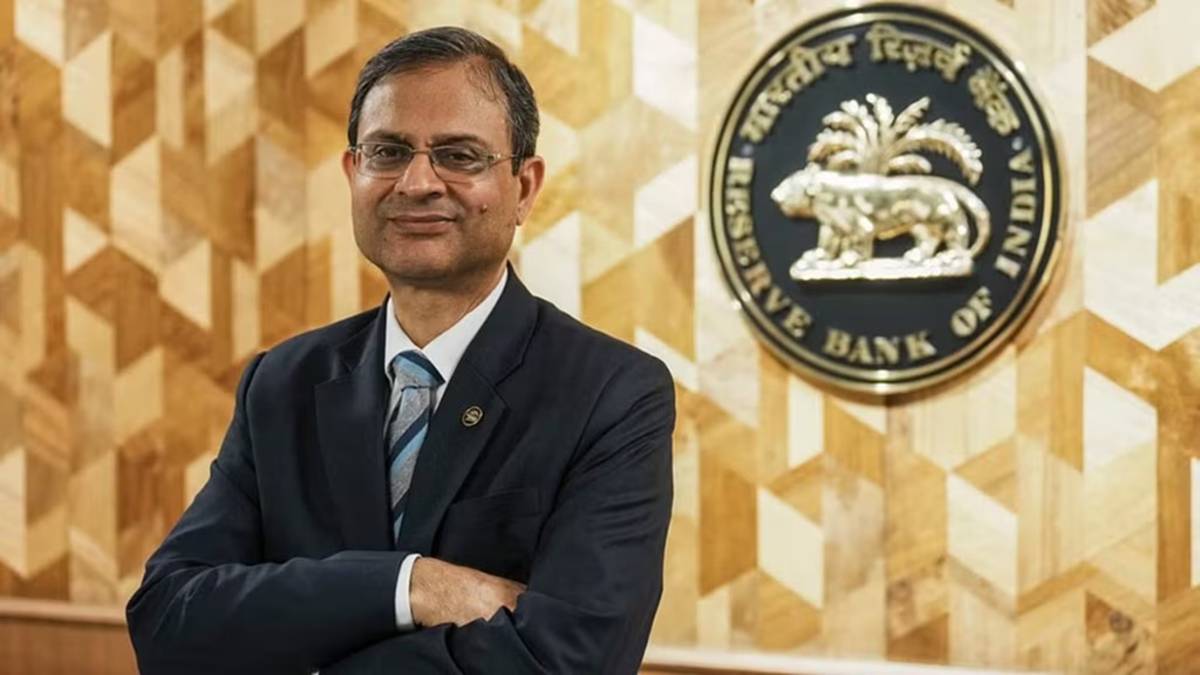
The Reserve Bank of India changed the end date of a foreign-currency deposit swap program earlier than first expected.
Governor Sanjay Malhotra said this was a careful adjustment based on new information, not a reversal of policy.
He said the programs could bring in at least $80 billion.
The RBI is watching its promises to exchange dollars in the future, but the governor said the position is manageable.
Interest rates were kept unchanged because recent inflation was mostly caused by food and fuel supply problems.
The RBI believes banks have enough capital and liquidity to keep lending.
Malhotra said banking rules should combine clear instructions with broader principles.
He also said artificial intelligence can help banks make decisions but should not completely replace people.
The RBI wants cross-border payments to become cheaper, safer and faster without replacing any currency.

RBI Governor Sanjay Malhotra called the early closure of the FCNR(B) swap window a data-driven calibration, not a policy U-turn.
The RBI expects at least $80 billion in inflows from three foreign-currency deposit schemes, while saying the net forward position remains manageable.
Monetary policy stayed on hold because inflation was viewed as mainly supply-driven, with limited evidence of broader inflation or unanchored expectations.
Malhotra said banks and non-bank financial companies remain resilient, citing strong capital, liquidity and asset-quality indicators.
He supported hybrid, increasingly principle-based regulation and said AI should assist—not replace—human judgment in high-impact banking decisions.
- Who
- RBI Governor Sanjay Malhotra and the Reserve Bank of India.
- What
- Malhotra discussed the FCNR(B) swap window, foreign-exchange positions, monetary policy, banking stability, regulation, artificial intelligence and cross-border payments.
- Where
- India’s financial and banking system.
- When
- The swap-window decision was advanced nine days after Malhotra’s August 5 statement; the interview also addressed the RBI’s current policy outlook.
- Why
- The RBI said it adjusted the swap deadline because inflows were stronger than expected and that monetary policy was being guided by evolving inflation, growth and external-sector conditions.
Critics and Cautious Observers
RBI Governor Sanjay Malhotra
Early swap-window closure
Critics and Cautious Observers
Critics described advancing the deadline as a policy U-turn and questioned whether the scale of inflows and effects on liquidity and the rupee had been adequately assessed.
RBI Governor Sanjay Malhotra
Malhotra called the move a calibrated, prudent and data-driven response to stronger-than-expected inflows, saying the possibility of early closure had not been ruled out.
Regulatory approach
Critics and Cautious Observers
Banks argue that frequent regulatory changes can raise compliance costs and reduce predictability.
RBI Governor Sanjay Malhotra
Malhotra defended a hybrid approach that is increasingly principle-based, saying it should be proportionate to risks and entities’ capabilities while giving institutions transparency and time to adapt.
Use of artificial intelligence
Critics and Cautious Observers
The governor’s warning reflects concerns that algorithms could erode human judgment in lending and other consequential banking decisions.
RBI Governor Sanjay Malhotra
Malhotra said AI should improve the speed, quality and consistency of decisions but must remain a facilitative tool with human oversight, especially in high-risk and customer-impacting areas.
Key facts
- Expected inflows
- At least $80 billion from all three foreign-currency deposit schemes.
- RBI net forward position
- The governor described it as being at a record level but manageable.
- Growth forecast
- The FY27 growth projection was raised to 6.7%.
- Inflation projection
- The inflation projection was lowered to 5%.
- Bank capital ratio
- Banks have a capital-to-risk-weighted-assets ratio of almost 18%.
- Liquidity coverage ratio
- Banks’ liquidity coverage ratio is about 127%.
- Asset quality
- The gross non-performing asset ratio is 1.7%, while the net ratio is 0.4%.
Quotes

Sanjay Malhotra
Governor of the Reserve Bank of India
“Our approach to regulation-making has been to make it proportionate—proportionate to the risks and the capabilities of regulated entities. It has been prescriptive, of course, but is moving increasingly towards principle-based regulation.”
 financialexpress.com
“AI should have adequate human oversight, especially in areas involving high risk, high impact, material customer outcomes or implications for the financial soundness of the entity or the system.”
financialexpress.com
Sources
Related news
RBI Governor Defends Early Closure of FCNR(B) Swap Window
RBI Rules Out Premature End to FCNR (B) Incentive Scheme

RBI regulatory reset could unlock $50 billion in capital
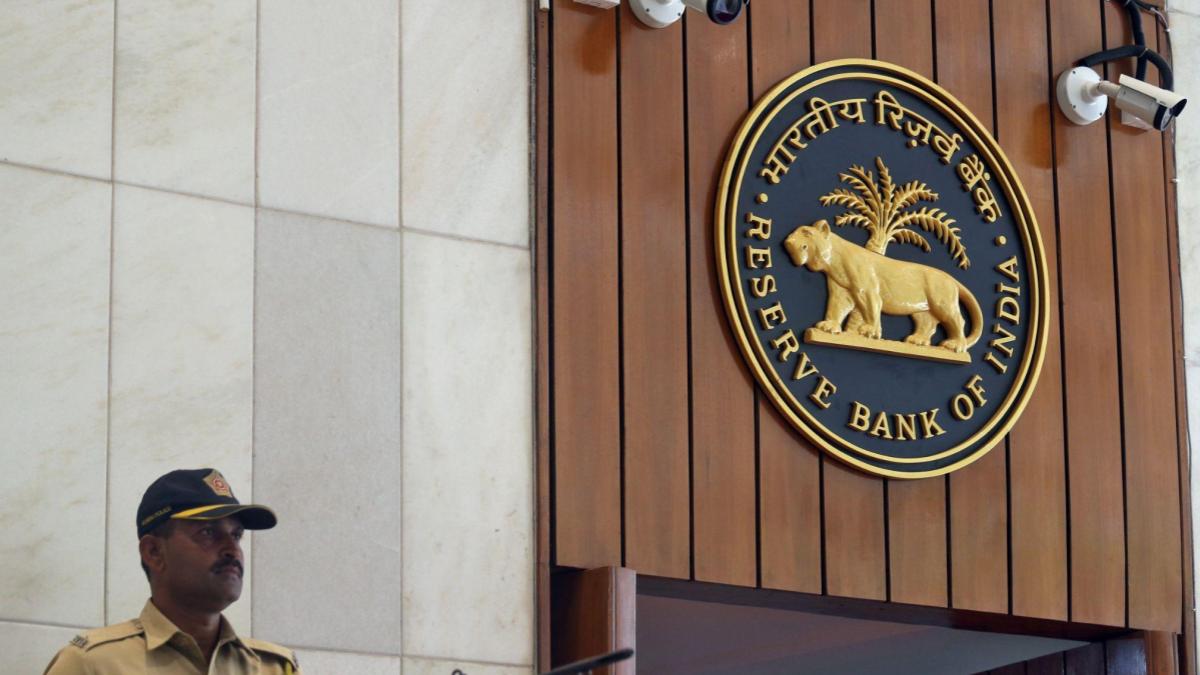
RBI Advances FCNR(B) Scheme Closure to August 31

Reserve Bank Closes FCNR(B) Swap Window Early Amid Inflows
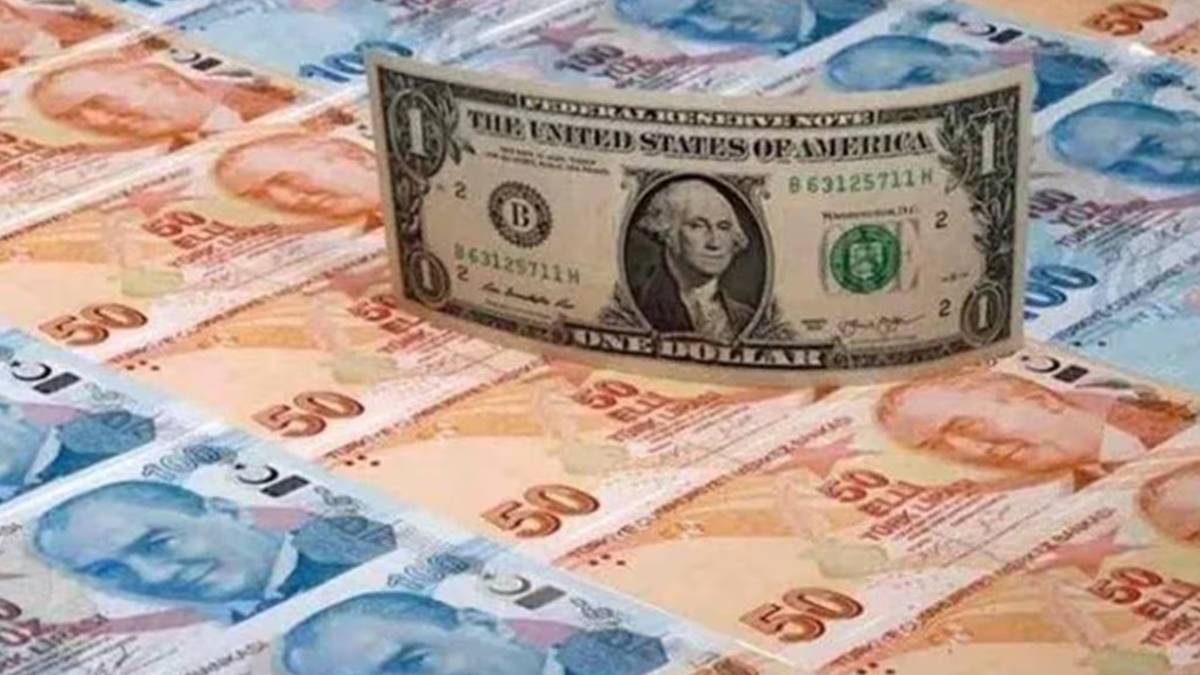
RBI Confirms FCNR(B) Swap Facility To Run Until September 30

RBI Governor Meets US Fed Chief Kevin Warsh at G20

RBI Forex Swap Draws $136.37 Billion, Led by FCNR(B)

Indian Bond Yields Near 7% as Rate Hike Bets Rise

India Hosts BRICS 2026 Amid US-Iran War Tensions

Finance Ministry Flags Global Yield and Inflation Risks for India