1 hr ago
India’s GDP Paradox: Strong Growth, Uneven Economic Reality
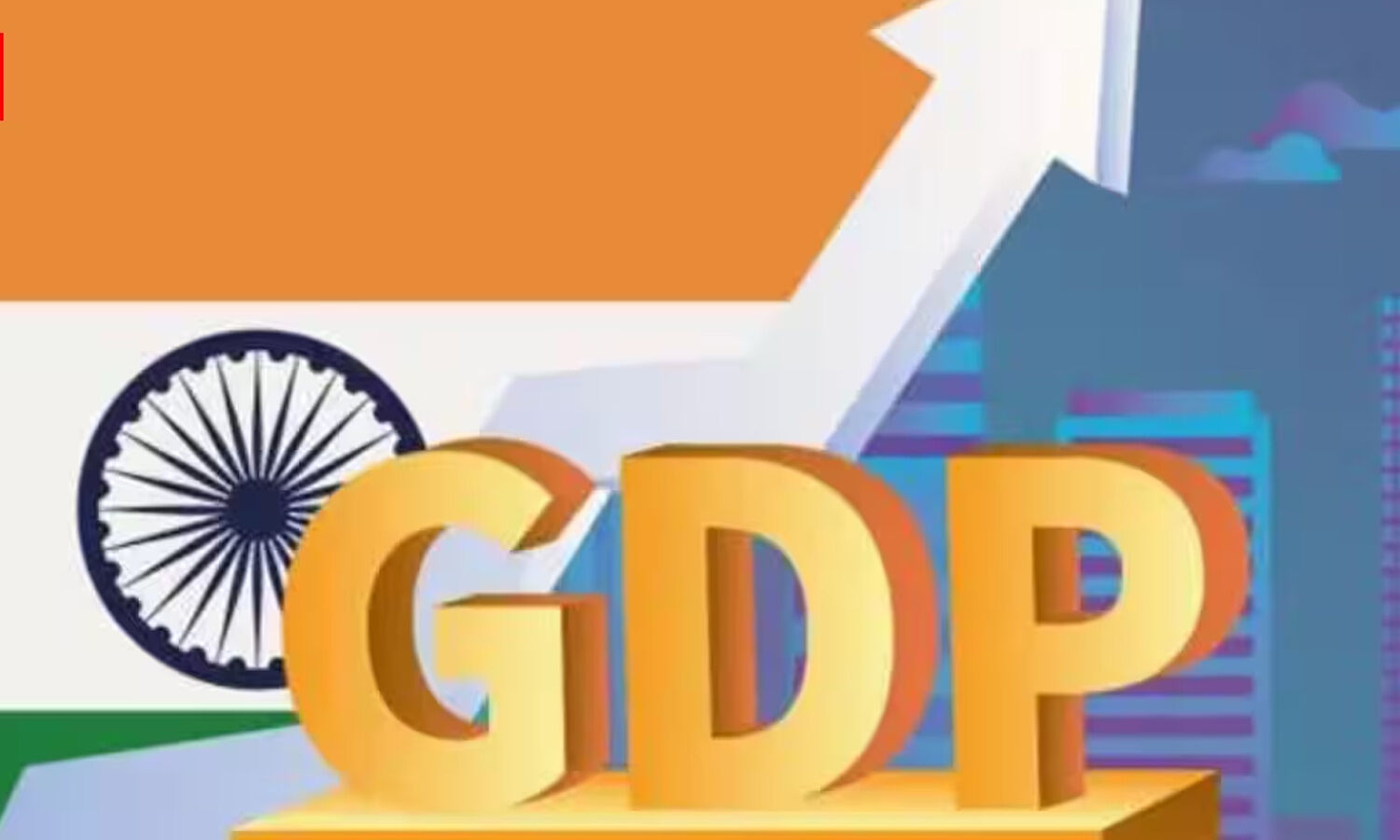
India’s economy is officially growing very quickly.
But many people do not feel this growth in their daily lives.
This is partly because a large informal economy is difficult to measure.
India sometimes uses the performance of formal companies to estimate what is happening across the whole economy.
That can make growth look stronger when informal businesses are struggling.
The way inflation is removed from economic figures may also make real growth appear higher.
Government spending, technology exports, and wealthy urban consumers are helping the economy expand.
However, jobs, wages, and prosperity are not improving equally for everyone.

Official figures report India’s real GDP growth at roughly seven to eight per cent.
Critics say the 2015 shift to MCA-21 data may overstate growth by using formal-sector performance to estimate the informal economy.
About 85 per cent of India’s labour force works in the difficult-to-measure informal sector.
India largely uses single deflation, which critics argue can inflate real value added when input prices fall faster than output prices.
Public infrastructure, technology exports, and high-end urban consumption are driving growth while wages, private investment, and employment remain uneven.
- Who
- India, its statisticians, economists, policymakers, businesses, workers, and citizens.
- What
- A debate over whether India’s headline GDP growth fully reflects conditions across the economy.
- Where
- Across India, including Mumbai, Uttar Pradesh’s agricultural belts, and Gujarat’s industrial hubs.
- When
- The controversy intensified after India changed its GDP base year and methodology in 2015.
- Why
- Critics point to difficulties measuring the informal sector and concerns about India’s use of formal-sector proxies and single deflation.
Official Growth View
Critical Measurement View
Reliability of headline GDP
Official Growth View
Official figures indicate that India is the world’s fastest-growing major economy, with real GDP growth of roughly seven to eight per cent.
Critical Measurement View
Critics argue that headline GDP may overstate broad economic growth because formal-sector performance is used to estimate the much larger informal sector.
Meaning of the 2015 revision
Official Growth View
The shift to an enterprise approach based on MCA-21 financial filings was intended to align India’s accounting with international standards.
Critical Measurement View
Critics say the revision rewrote historical growth rates and introduced weaknesses when structural changes or economic shocks disproportionately hurt informal businesses.
Inflation adjustment
Official Growth View
Single deflation is used because of data limitations and provides a method for converting nominal figures into real GDP.
Critical Measurement View
Critics contend that when input prices fall faster than output prices, the method can artificially inflate real value added and make growth appear stronger than physical production or revenue growth.
Key facts
- Reported real GDP growth
- Official headlines regularly cite growth of roughly seven to eight per cent.
- GDP methodology change
- In 2015, India changed its GDP base year and moved toward an enterprise approach using Ministry of Corporate Affairs financial filings.
- Informal labour force
- The article states that roughly 85 per cent of India’s labour force works in the informal sector.
- Price adjustment method
- India largely relies on single deflation, frequently using the Wholesale Price Index as a proxy for manufacturing costs.
- Growth drivers
- Public infrastructure projects, technology-services exports, industrial production, tax collection, and government capital expenditure are cited as growth drivers.
- Uneven outcomes
- Private corporate investment, real wage growth, broad-based consumption, and suitable employment for graduates remain hesitant or uneven.
Sources
Related news
India's 7.8% GDP Growth Sparks Questions Over Economic Reality
Government Defends India’s 7.8% Q1 GDP Growth Amid Debate

Government Defends Revised GDP Estimates Amid Growth Manipulation Claims
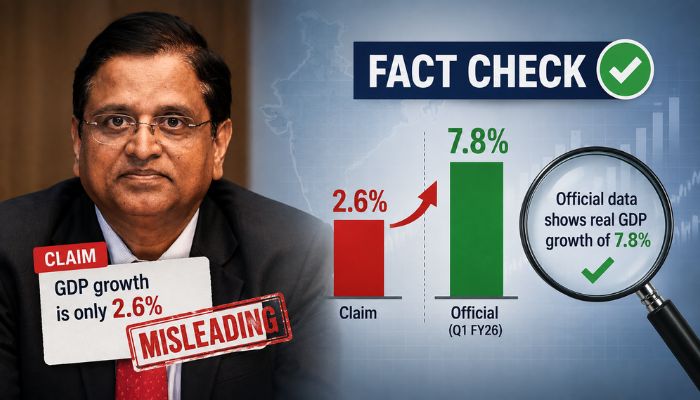
Government Rejects 2.6% Claim, Defends India’s 7.8% GDP Growth

Sanyal Defends India’s 7.8% GDP Growth Amid Opposition Questions
Road Cave-Ins Injure Two in Lucknow and Alarm Kanpur Residents

Gold Loans Quadruple as India’s Untapped Gold Wealth Fuels Growth

Mirzapur: The Movie Sells Over One Lakh Advance Tickets
Uttar Pradesh Floods Worsen as Evacuations and Relief Expand