

1 week ago
Canada’s US Tariff Dispute Prompts India Autonomy Warning
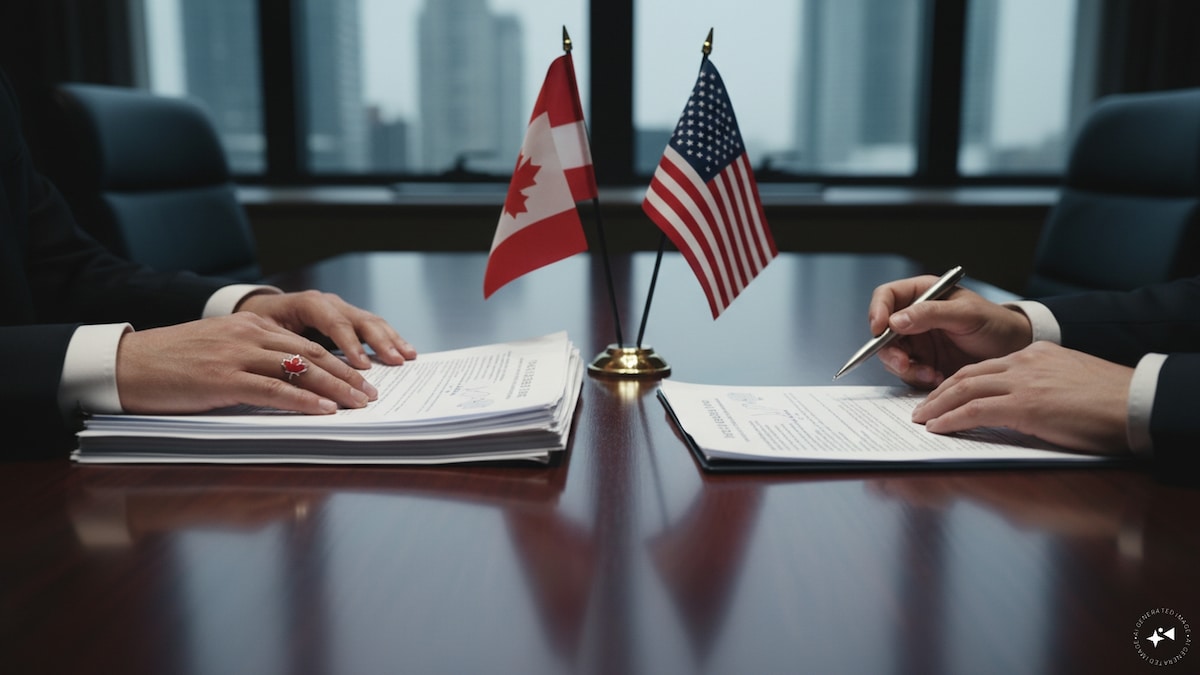
Canada and the United States were trying to update their trade rules.
Canada stopped the talks because it believed the United States was offering only limited tariff relief.
Canada said the proposed conditions could hurt its factories and limit its ability to make its own rules.
It also announced matching tariffs starting September 8.
The United States offered to reduce some tariffs on metals and vehicles, but included quotas and other restrictions.
The Global Trade Research Institute said India should learn from Canada’s experience.
It advised India to secure clear and lasting tariff promises before giving concessions.
GTRI also said India should protect its freedom to regulate important areas.

Canada suspended trade negotiations with the United States on August 21, 2026, after rejecting limited tariff relief tied to further concessions.
Ottawa said it would impose dollar-for-dollar retaliatory tariffs beginning September 8.
The Global Trade Research Institute urged India to obtain binding tariff concessions before making commitments on agriculture, digital regulation, critical minerals or procurement.
United States proposals included lower steel, aluminium and vehicle tariffs, but with quotas, exclusions and additional supply-chain conditions.
GTRI said tariffs imposed outside the USMCA weakened the certainty promised by the North American trade agreement.
- Who
- Canada, the United States and the Global Trade Research Institute, led in this statement by founder Ajay Srivastava.
- What
- Canada suspended trade negotiations and announced planned retaliatory tariffs, while GTRI warned India to seek binding tariff relief and protect its autonomy.
- Where
- The dispute concerns trade between Canada and the United States, with implications for India’s negotiations with Washington.
- When
- Negotiations were suspended on August 21, 2026, with Canadian retaliatory tariffs announced for September 8; the talks had begun on February 1, 2025.
- Why
- Canada concluded that the United States was offering limited tariff relief in exchange for concessions affecting manufacturing, agriculture, regulation and sovereignty.
Canada and GTRI’s concerns
United States’ proposed approach
Value of tariff relief
Canada and GTRI’s concerns
Canada viewed the proposed reductions as insufficient because they remained linked to quotas, import limits and further concessions.
United States’ proposed approach
The United States offered to lower tariffs on Canadian metals and vehicles and temporary protection from some broader duties.
Trade restrictions
Canada and GTRI’s concerns
GTRI said tariffs imposed outside the USMCA weakened the commercial certainty promised by the agreement, including for some goods meeting USMCA origin rules.
United States’ proposed approach
The United States continued to use tariffs under domestic authorities, including Sections 232, 301 and 338, while seeking tighter content and supply-chain rules.
Policy autonomy
Canada and GTRI’s concerns
GTRI urged India to protect its regulatory and strategic autonomy and avoid unilateral concessions outside negotiations.
United States’ proposed approach
The proposed Canadian relief was reportedly conditional on concessions involving dairy supply management, provincial alcohol-sale restrictions and other trade conditions.
Key facts
- Negotiations suspended
- Canada suspended talks with the United States on August 21, 2026.
- Retaliation date
- Canada said dollar-for-dollar retaliatory tariffs would begin September 8.
- Talks began
- The negotiations began on February 1, 2025, after the first wave of new US tariffs.
- Steel and aluminium proposal
- The United States proposed reducing 50% tariffs to 25%, subject to quotas including an annual ceiling of about four million metric tonnes of Canadian steel.
- Vehicle tariff proposal
- The United States offered to reduce tariffs on Canadian-built vehicles from 25% to 15%, but excluded medium- and heavy-duty trucks.
- GTRI recommendation
- India should seek clear, binding and durable tariff concessions before making commitments on agriculture, digital regulation, critical minerals or government procurement.
- Existing trade framework
- The USMCA replaced NAFTA in 2020 and allows most qualifying North American goods to trade duty-free.
Quotes
Global Trade Research Institute (GTRI)
Trade research institute advising India on tariff negotiations and policy.
“an agreement that merely reduces some US tariffs while leaving Washington free to impose fresh duties under Sections 232, 301 or other domestic laws would offer little certainty”
 CNBC TV 18
“New Delhi should seek clear, binding and durable tariff concessions before making commitments on agriculture, digital regulation, critical minerals or government procurement.”
CNBC TV 18
Sources
Related news

US-Canada Trade Collapse Offers India a Cautionary Lesson

Canada-US Trade Talks Collapse as Tariffs Deepen Economic Rift
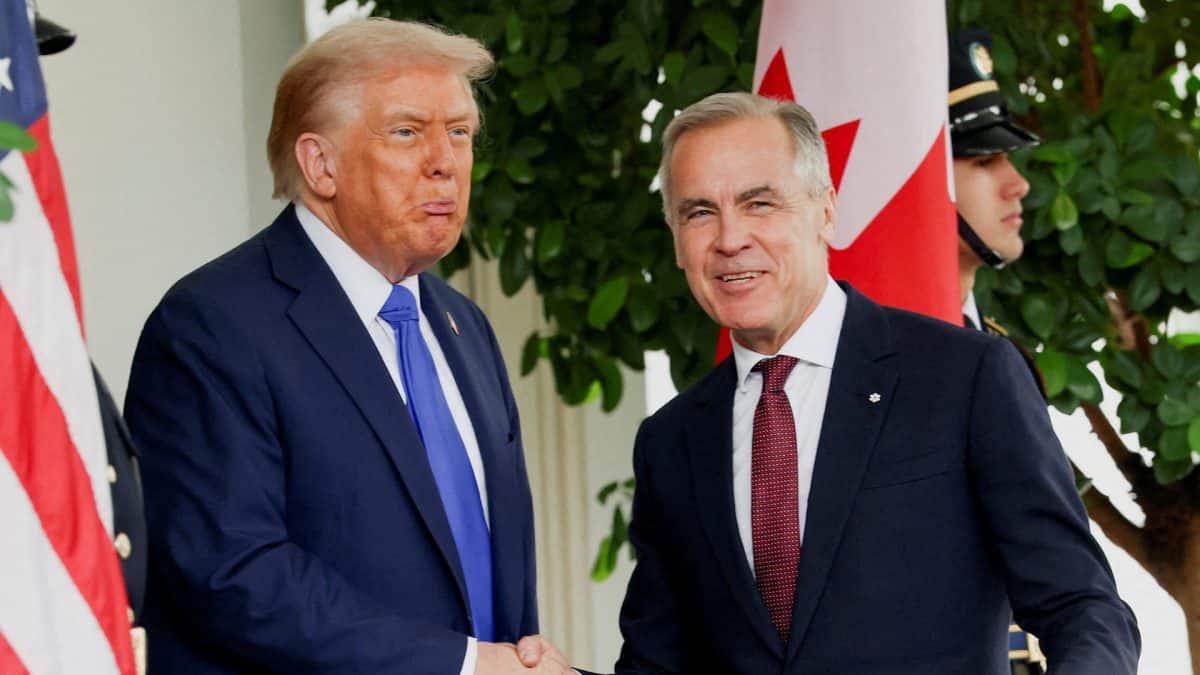
US and Canada Near Deal to Cut Metals, Auto Tariffs
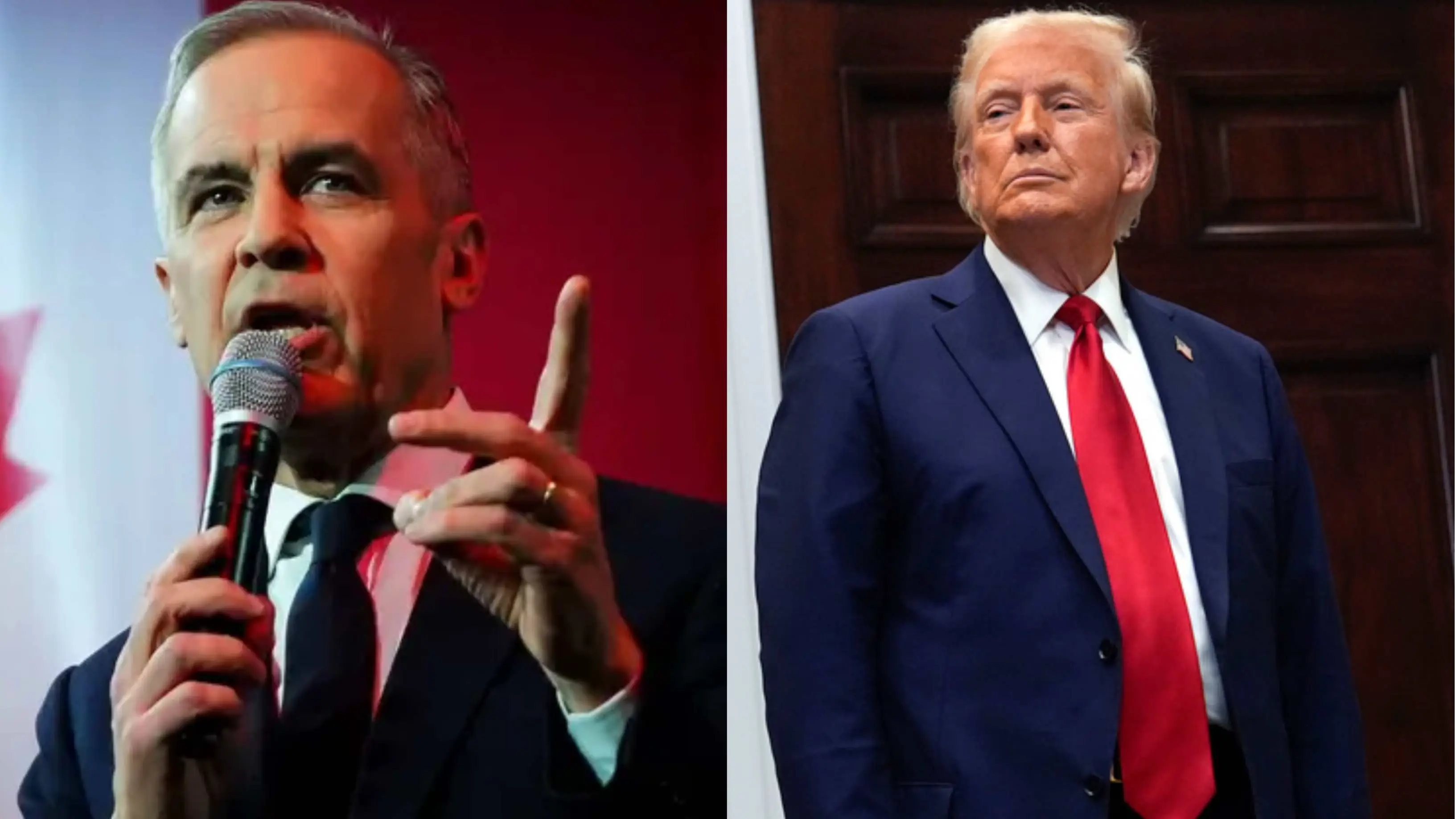
Trump Escalates US-Canada Trade War With 50% Tariffs

Canada Announces Dollar-for-Dollar Tariffs After US Trade Talks Collapse
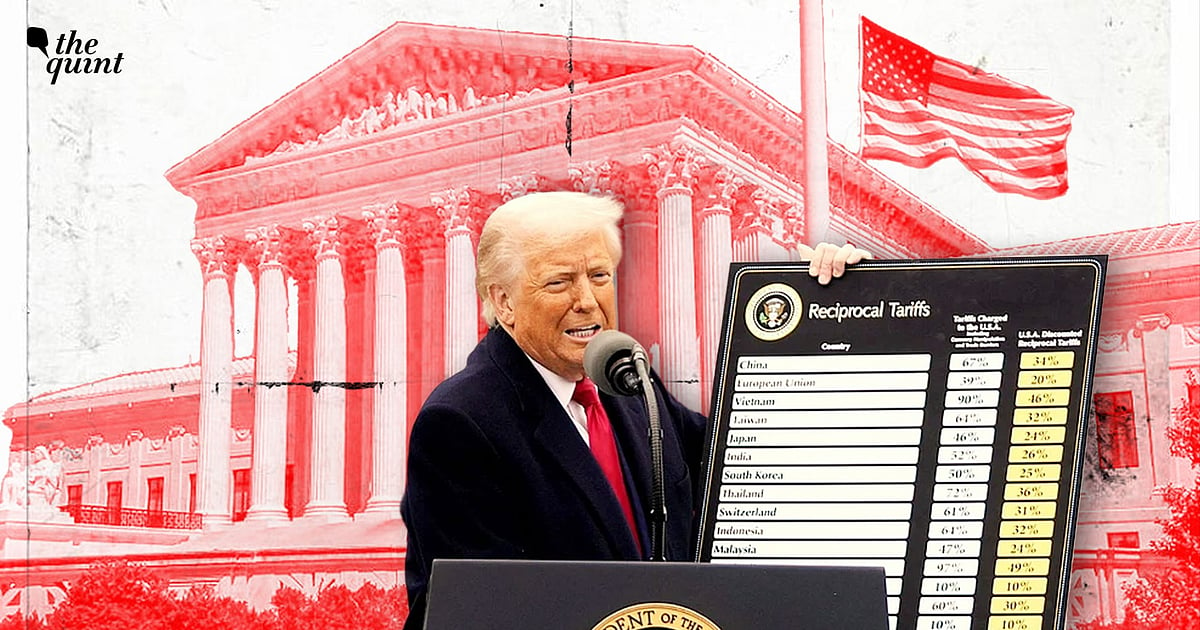
Canada Tariff Dispute Raises Wider Worry for New Delhi
Cheese Name Dispute Becomes Stumbling Block in U.S.-Mexico Talks

Canada Rejects Unequal US Trade Deal Despite Economic Risks
Trump Escalates Trade Confrontation as Canada Vows Tariff Retaliation
