

4 days ago
Battery Storage Could Strengthen Reliability for India’s Agriculture

A farm in Rajasthan needed steady electricity to grow its plants.
But the power went out for 12 to 14 hours a day during the hottest months.
Because of these outages, the farm produced much less food than expected.
Its solar panels could not provide power during the outages because they were connected to the main grid.
Diesel generators were used instead, but the extreme heat caused serious equipment problems.
The article says batteries could store solar energy during the day.
That stored energy could then power pumps, farms, and cold rooms when the grid fails.
Small local power systems could also help reduce pressure on rural electricity networks.

E-Foods, a hydroponic farm in Rajasthan, harvested 4,582 kilograms against a projected 12 tonnes, a 62% shortfall.
The farm reportedly faced 12 to 14 hours of daily grid outages during peak summer months.
Its 4.7 MW on-grid solar system could not operate during outages because of grid-tied safety mechanisms.
Diesel generators used during extreme heat reportedly suffered thermal overload and caused equipment fires.
The article argues that solar-powered Battery Energy Storage Systems can support irrigation, cold storage, and rural microgrids.
- Who
- E-Foods, a hydroponic farming enterprise in Rajasthan, is the featured case; the article is written by the Co-Founder and CEO of AmpereHour Energy.
- What
- Erratic electricity supply caused a major production shortfall, while the article proposes Battery Energy Storage Systems and decentralized microgrids as a solution.
- Where
- The featured farm is in Rajasthan, India, with additional deployments cited in Maharashtra, Uttar Pradesh, and Bihar.
- When
- The outages occurred during peak summer months; the article was published on August 29, 2026.
- Why
- Power interruptions disrupted irrigation and other farm operations, while diesel backup systems faced problems in extreme heat.
Decentralized Storage
Conventional Grid Expansion
Reliability strategy
Decentralized Storage
The article argues that pairing local solar generation with battery storage can provide dependable power at farms and rural enterprises, including during grid outages.
Conventional Grid Expansion
Expanding or upgrading conventional transmission and distribution networks is the traditional approach, but the article says it can be expensive and slow across remote rural feeders.
Role of local power systems
Decentralized Storage
Smart microgrids can dispatch electricity locally, manage loads, support irrigation and cold storage, and potentially stabilize local feeders during peak demand.
Conventional Grid Expansion
Rural assets remain dependent on centralized networks when local storage and microgrids are not available, leaving them exposed to fluctuations and peak-demand constraints.
Key facts
- Featured enterprise
- E-Foods, a hydroponic farming enterprise
- Projected production
- 12 tonnes
- Actual harvest
- 4,582 kilograms
- Production shortfall
- 62 percent
- Daily summer outages
- 12 to 14 hours
- Installed solar capacity
- 4.7 MW of on-grid solar
- Publication date
- August 29, 2026
Sources
Related news
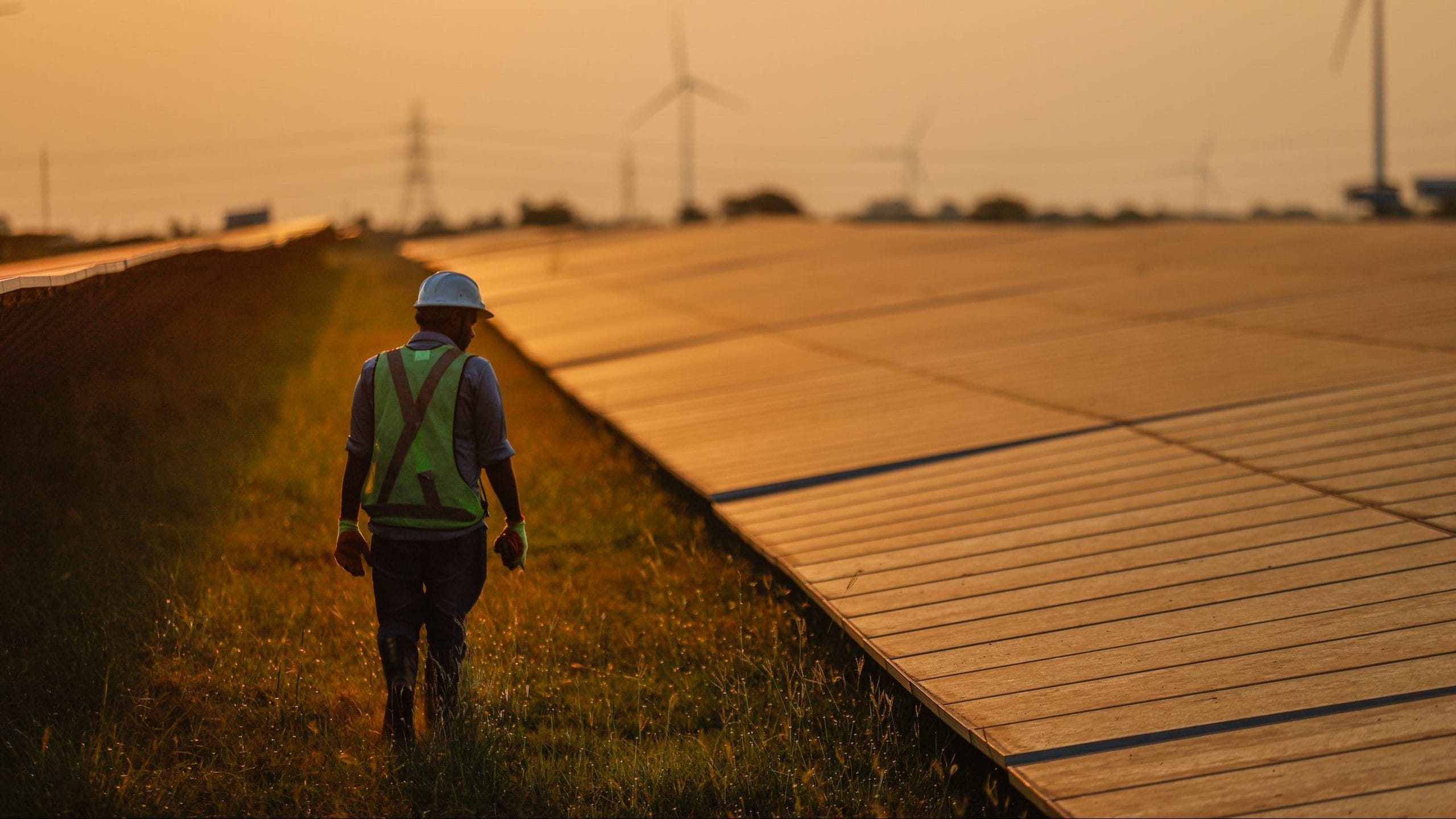
India Bets on Battery Storage to Reduce Solar Curtailments

India Must Scale Storage as Renewable Capacity Expands

Battery-Backed Renewables Can Beat New Coal Costs in India

Suryapet farmers protest frequent power cuts, demand 12-hour supply
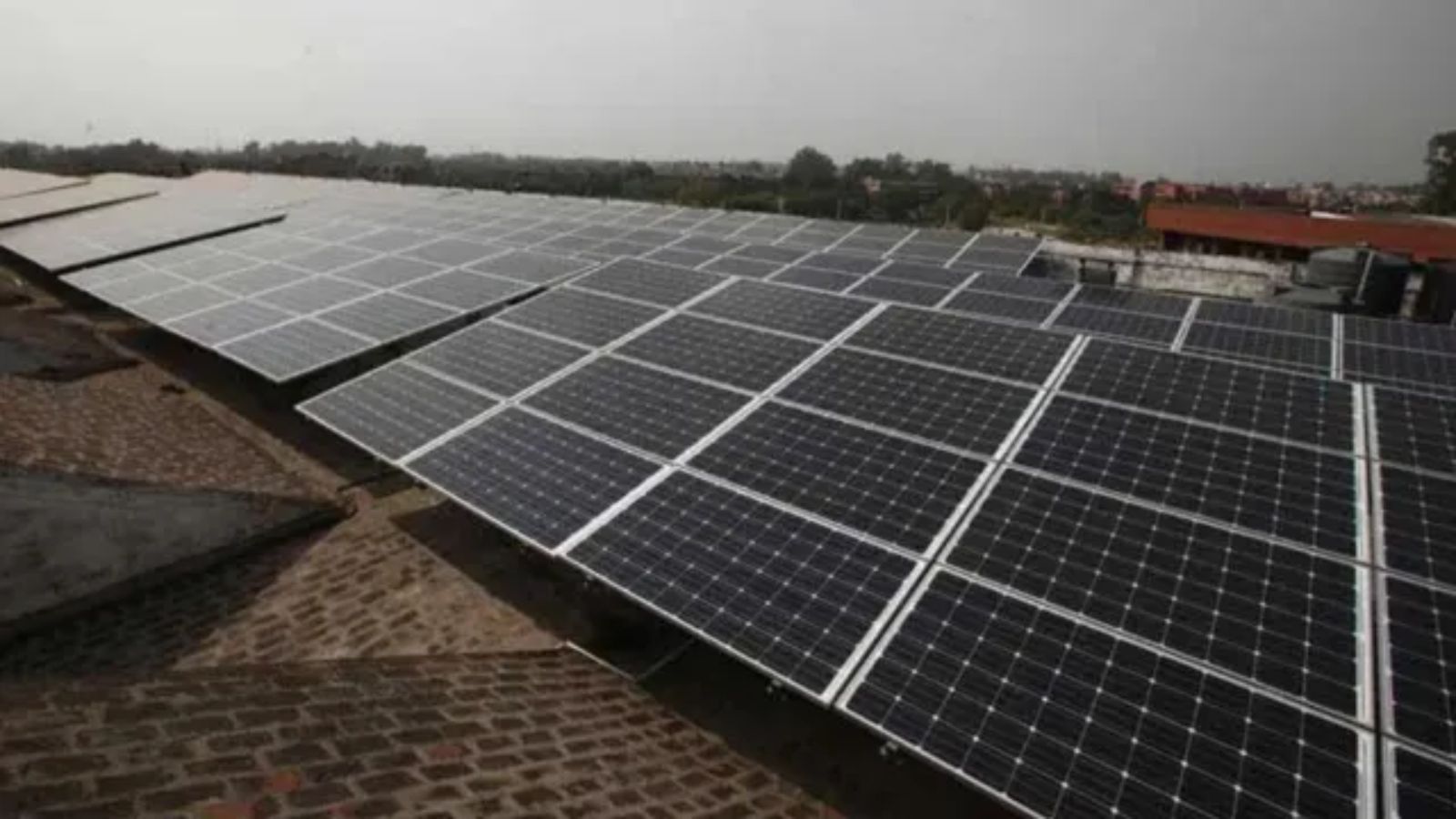
India’s Solar-Heavy Grid Needs Flexible Demand and Storage
ACME Solar Wins 300 MW Renewable Power Project With Storage

Gold Loans Quadruple as India’s Untapped Gold Wealth Fuels Growth
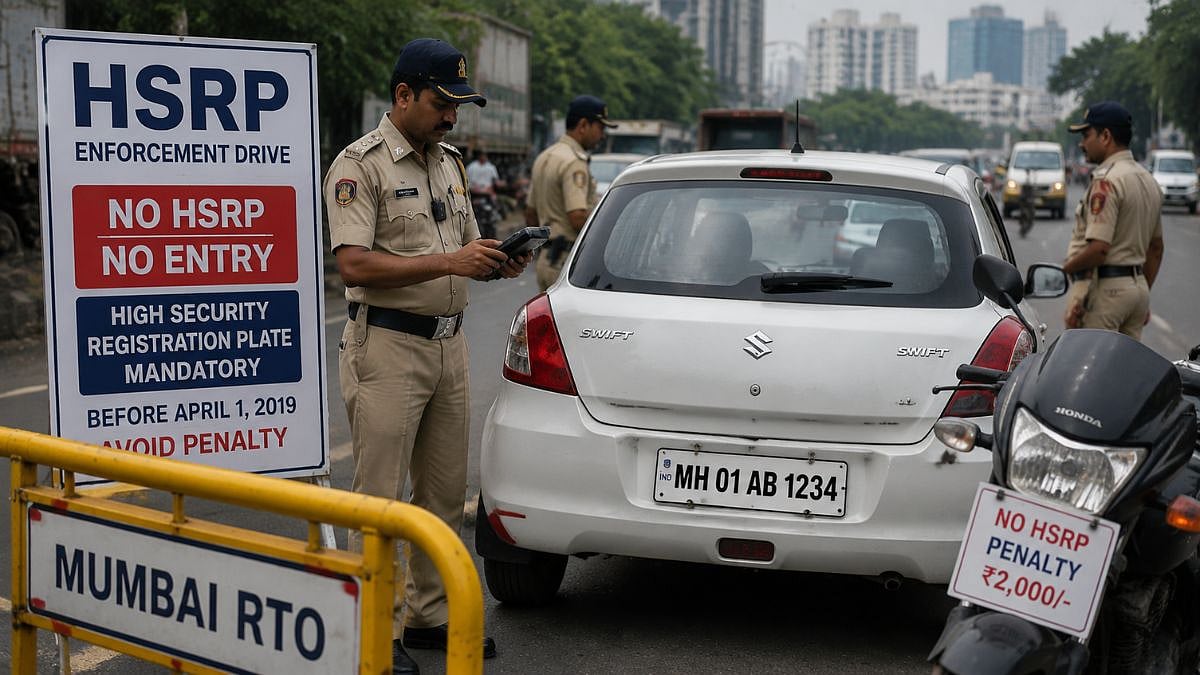
Maharashtra Penalises 33,993 Vehicles in HSRP Enforcement Drive
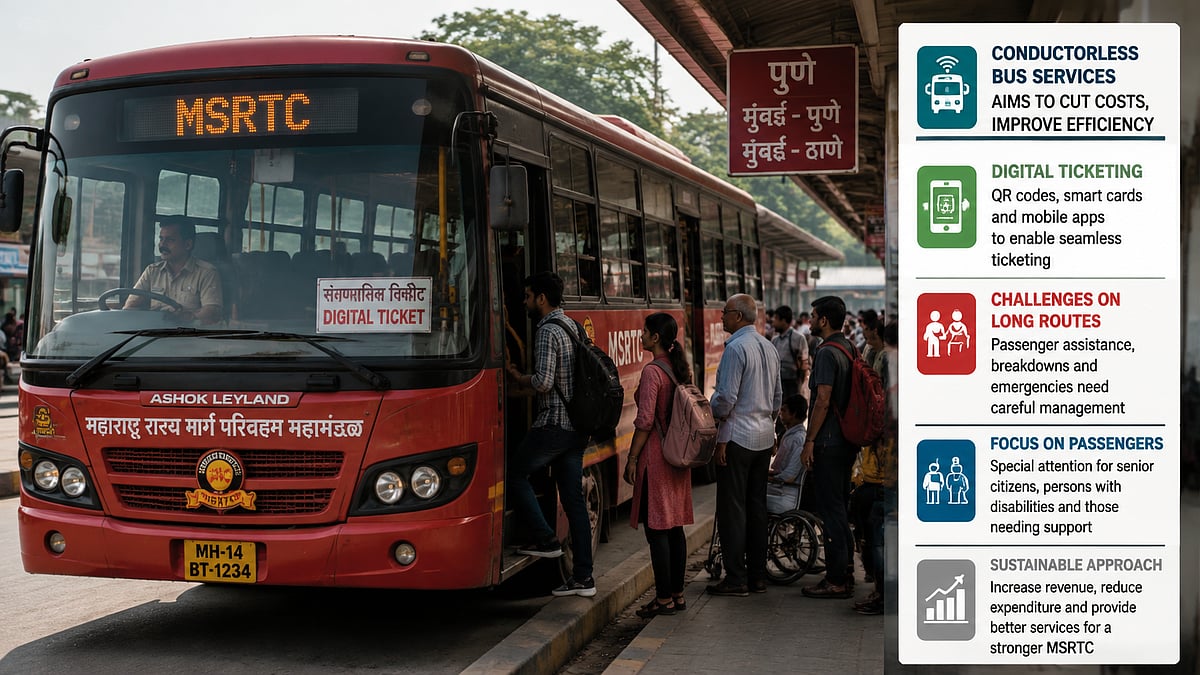
MSRTC Conductorless Bus Plan Targets Costs, Raises Long-Route Safety Concerns

Maharashtra Congress Seeks More Time for SIR Voter Claims

Mirzapur: The Movie Sells Over One Lakh Advance Tickets
