

1 day ago
India Plans UPI Merchant Fees With Small-Merchant Exemptions

The government plans to charge a small fee on some UPI payments made to merchants.
The fee would start on October 15.
It would generally be 0.4% for merchant payments above ₹2,000.
People sending money directly to other people would not pay this fee.
Small merchants receiving up to ₹1 lakh per month through UPI would also be exempt.
Some services, such as railway tickets and mobile bills, would have special rates.
The money would help pay for the technology, security and customer support needed to run UPI.
The government has asked merchants not to pass the fee on to customers.
Officials should check whether the fee reduces UPI use and change the rates if necessary.

The Centre plans to introduce a Merchant Discount Rate on merchant UPI transactions from October 15.
A 0.4% MDR would apply to merchant transactions above ₹2,000, with several exemptions and caps.
Person-to-person UPI transfers would remain exempt, while merchants receiving up to ₹1 lakh monthly would also avoid MDR.
The proposal would direct 5% of MDR collections to help small merchants adopt UPI.
The article says MDR should support UPI infrastructure but recommends reviewing rates if usage declines.
- Who
- The Centre, banks, payment intermediaries, merchants and UPI users are involved.
- What
- The Centre plans to introduce MDR on certain UPI transactions made at merchant outlets.
- Where
- The policy concerns UPI transactions at merchant outlets and UPI’s expansion to other countries.
- When
- The MDR is scheduled to begin on October 15; the article was published on September 16, 2026.
- Why
- The measure is intended to compensate stakeholders for UPI infrastructure and services while protecting small merchants and vulnerable users.
Case for MDR
Concerns About MDR
Paying for UPI infrastructure
Case for MDR
Banks and payment intermediaries incur costs for digital infrastructure, monitoring, customer service and cybersecurity, so MDR could help the system break even.
Concerns About MDR
The additional charge could increase costs for users if merchants pass it on, even though the Centre has asked merchants not to do so.
Effect on UPI adoption
Case for MDR
The article argues that a 0.4% rate is competitive with debit and credit card charges and should not cause users to leave UPI.
Concerns About MDR
The article warns that usage patterns must be monitored and rates recalibrated if UPI transactions decline.
Protecting smaller participants
Case for MDR
Exemptions for person-to-person transfers and small merchants, along with the adoption fund, are presented as safeguards for vulnerable users and businesses.
Concerns About MDR
The article notes that merchants could potentially recover MDR through other, less visible charges, making enforcement difficult.
Key facts
- Standard MDR
- 0.4% on merchant transactions above ₹2,000.
- Person-to-person transfers
- MDR does not apply to UPI money transfers between individuals.
- Small-merchant exemption
- Merchants receiving up to ₹1 lakh monthly through UPI would be exempt.
- Small-merchant fund
- 5% of MDR collections would be transferred to a fund supporting UPI adoption by small merchants.
- Special transaction rate
- UPI payments for railway tickets, mobile bills, insurance, fuel and agricultural inputs would carry a flat ₹5 rate.
- Securities rate
- Buying and selling securities and mutual funds would have an MDR of 0.02%.
- Transaction cap
- MDR for person-to-merchant transactions above ₹75,000 would be capped at ₹300.
Sources
Related news

New UPI MDR Rules Keep Consumers Free, Charge Eligible Merchants

UPI Sets 0.4% MDR on High-Value Merchant Payments

UPI MDR Begins October 15, Merchants Face Charges, Customers Don’t
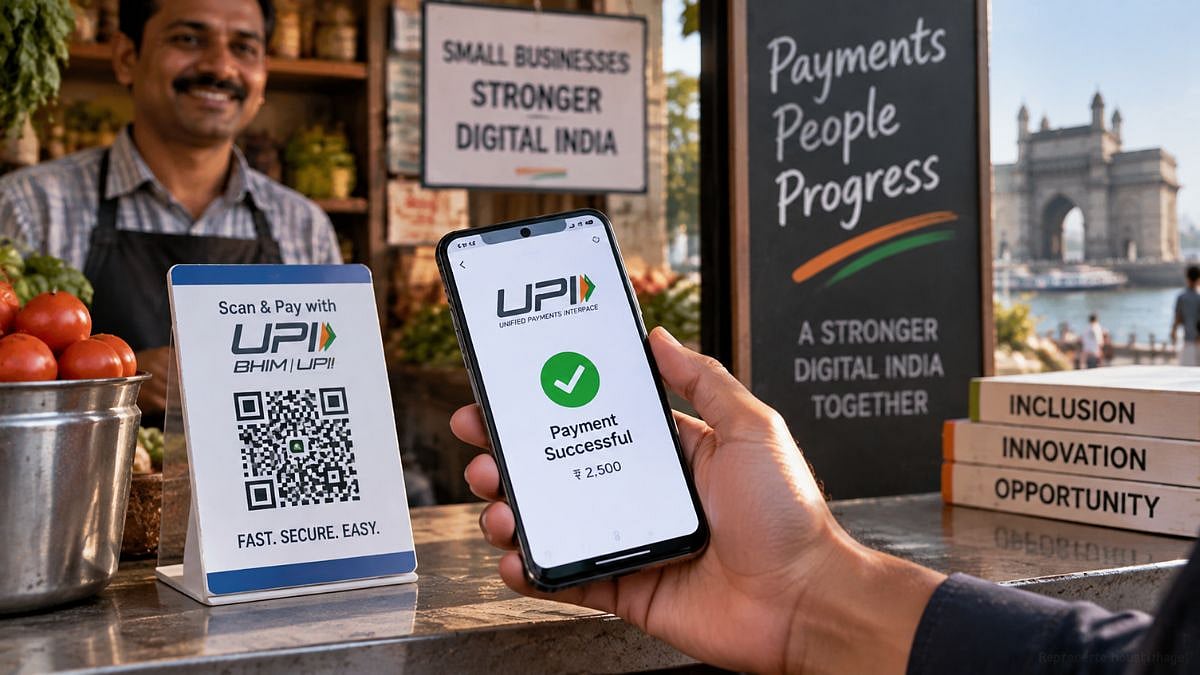
India’s UPI MDR Plan Tests Digital Payments’ Durability
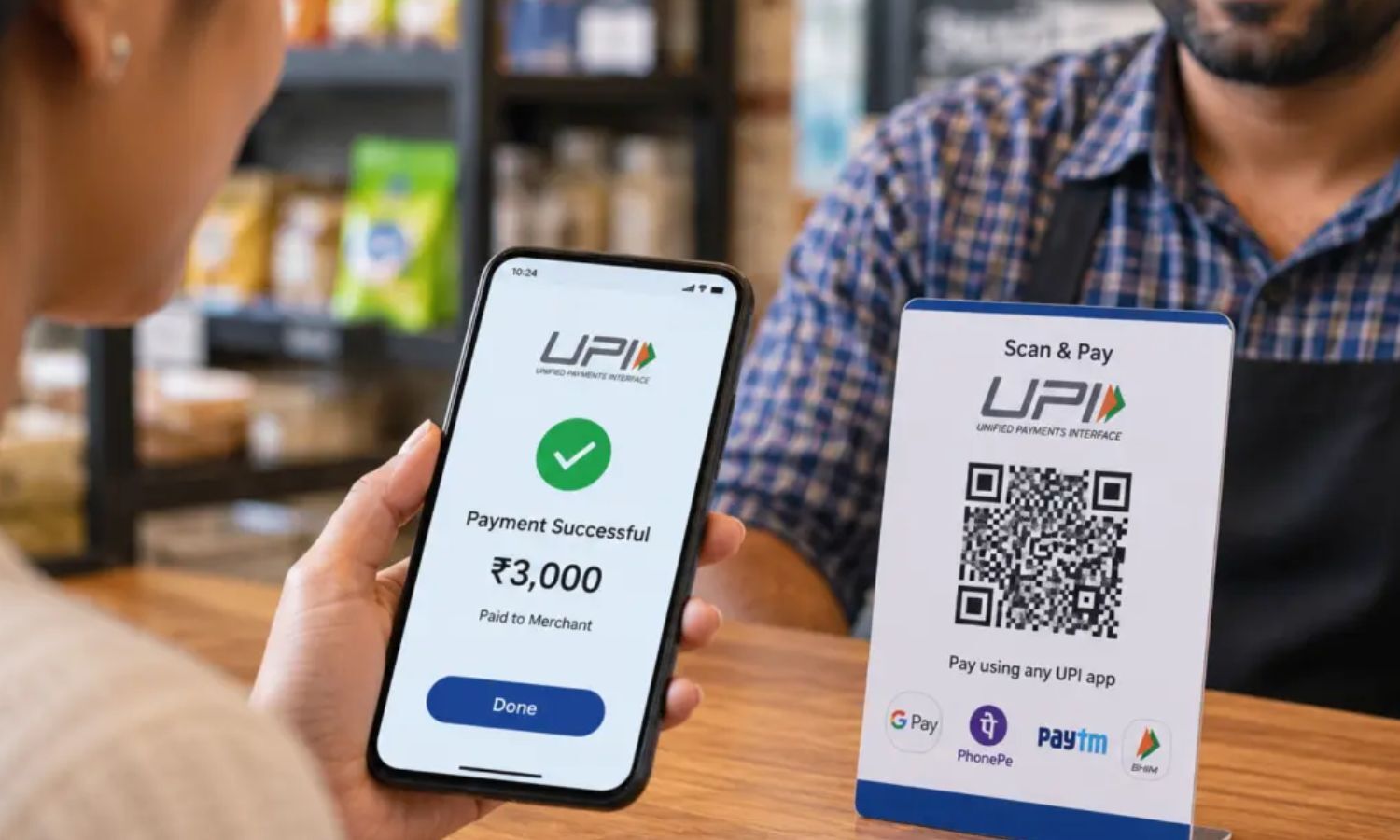
UPI MDR Will Target Specified Merchant Payments Above ₹2,000

Panel to Decide UPI MDR Charges Above ₹2,000 Soon

UPI Fees May Push Retail Users Toward Digital Currency

Delhi Lakshmi Yojana RD Lock-In Set Through July 2029

NITI Aayog Proposes Outcome-Linked Funding to Reform India’s Skilling System

Delhi Lakshmi Yojana Aid Letters Begin August 26
