

1 hr ago
From Shah Bano to Waqf: Muslim Politics Produces Intermediaries
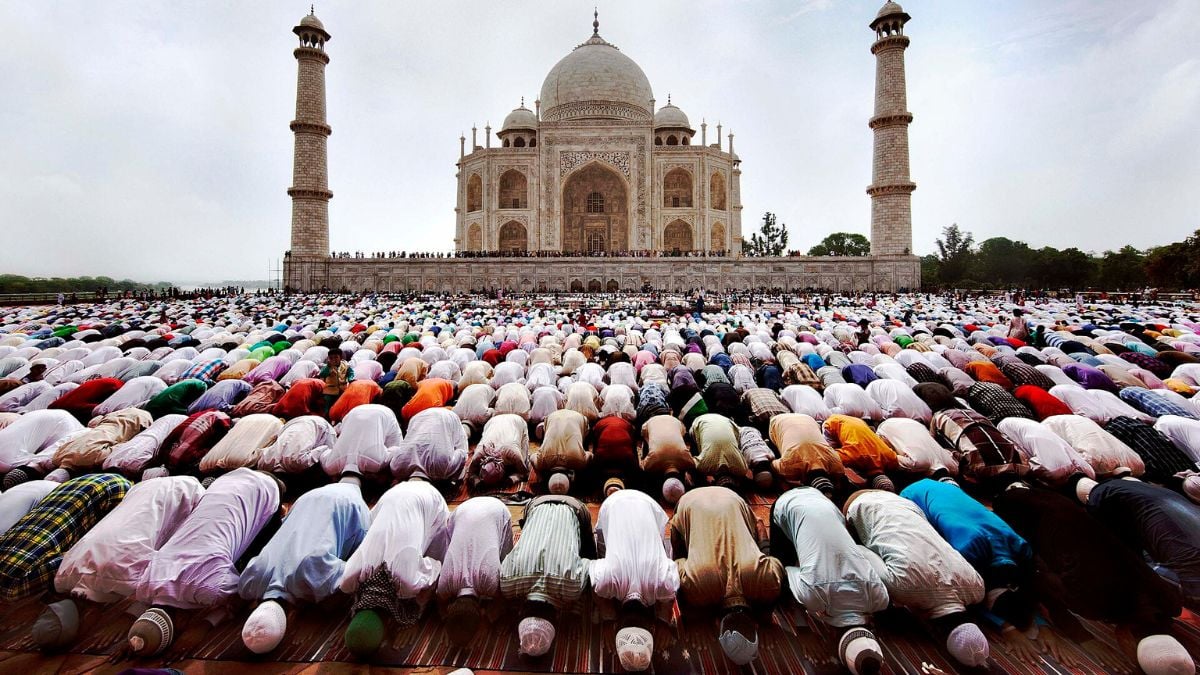
This opinion article says that Indian Muslims have many educated and successful people, but not enough public thinkers who openly question their own community’s leaders and ideas.
The writer believes that politicians, former bureaucrats, and community representatives often speak for ordinary Muslims.
The article says these representatives focus on defending the community and negotiating with the government.
It points to controversies involving Shah Bano, The Satanic Verses, the Babri Masjid dispute, and Waqf as examples.
The writer argues that this politics encourages a sense of victimhood.
The article also says that Left-liberal Hindus often become the public voices for Muslims.
It claims that Muslim society needs more internal debate and criticism.
These are the author’s interpretations, rather than an account accepted by all Muslims or scholars.

The author argues that Indian Muslims have many accomplished professionals but lack an independent intellectual class.
The article criticizes Left-liberal figures and Muslim leaders for speaking on behalf of Muslims rather than enabling independent representation.
It identifies former bureaucrats, including Syed Shahabuddin, as influential intermediaries in Muslim political discourse.
The author links this leadership model to debates over Shah Bano, The Satanic Verses, the Ram Janmabhoomi-Babri Masjid dispute, and Waqf.
The article argues that victimhood, communal identity politics, and leadership-centered bargaining have prevented broader intellectual and civic debate.
- Who
- The article’s author, Ibn Khaldun Bharati, discusses Indian Muslims, Muslim political intermediaries, former bureaucrats, Left-liberal commentators, and leaders such as Syed Shahabuddin.
- What
- It argues that Muslim politics has produced intermediaries and identity-based representatives rather than an independent, self-critical intellectual class.
- Where
- India, with references to Uttar Pradesh, Delhi, Aligarh, and the wider Indian Muslim community.
- When
- The discussion spans developments from the Shah Bano controversy in the 1980s to contemporary Waqf-related politics and the post-2014 period.
- Why
- The author attributes the situation to victimhood politics, communal pressures, insufficient secularization, and leaders’ pursuit of influence and official positions.
Author’s critique
Views described as prevailing defenses
Who should represent Muslims?
Author’s critique
The author argues that Muslims should develop independent voices capable of speaking and thinking for themselves, rather than relying on Left-liberal advocates or community intermediaries.
Views described as prevailing defenses
The article says Left-liberal commentators and Muslim representatives treat themselves as necessary advocates because they believe Muslims lack the vocabulary or position to participate independently in secular democratic discourse.
Role of Muslim leadership
Author’s critique
The author portrays former bureaucrats and political leaders as self-serving intermediaries who preserve influence by mobilizing identity, grievance, and negotiations with the state.
Views described as prevailing defenses
The article describes these leaders as presenting themselves as protectors and bridges between the government and the Muslim community, particularly after 2014.
Meaning of community advancement
Author’s critique
The author argues that advancement requires internal criticism, secularization, civil society, and a broad spectrum of political and intellectual viewpoints.
Views described as prevailing defenses
The article says the dominant discourse prioritizes community defense, personal law, Waqf, identity politics, and opposition to perceived majoritarian pressure.
Key facts
- Article type
- Opinion essay
- Author
- Ibn Khaldun Bharati
- Muslim population cited
- About 20 crore
- Literacy rate cited
- 79.5 per cent
- Key political figure discussed
- Syed Shahabuddin, who entered politics after leaving diplomacy in 1979
- Historical controversy
- The Shah Bano judgment and the subsequent political response under Prime Minister Rajiv Gandhi
- Intellectual frameworks cited
- Antonio Gramsci, Edward Said, Jürgen Habermas, Gayatri Chakravorty Spivak, and B. R. Ambedkar
Sources
Related news
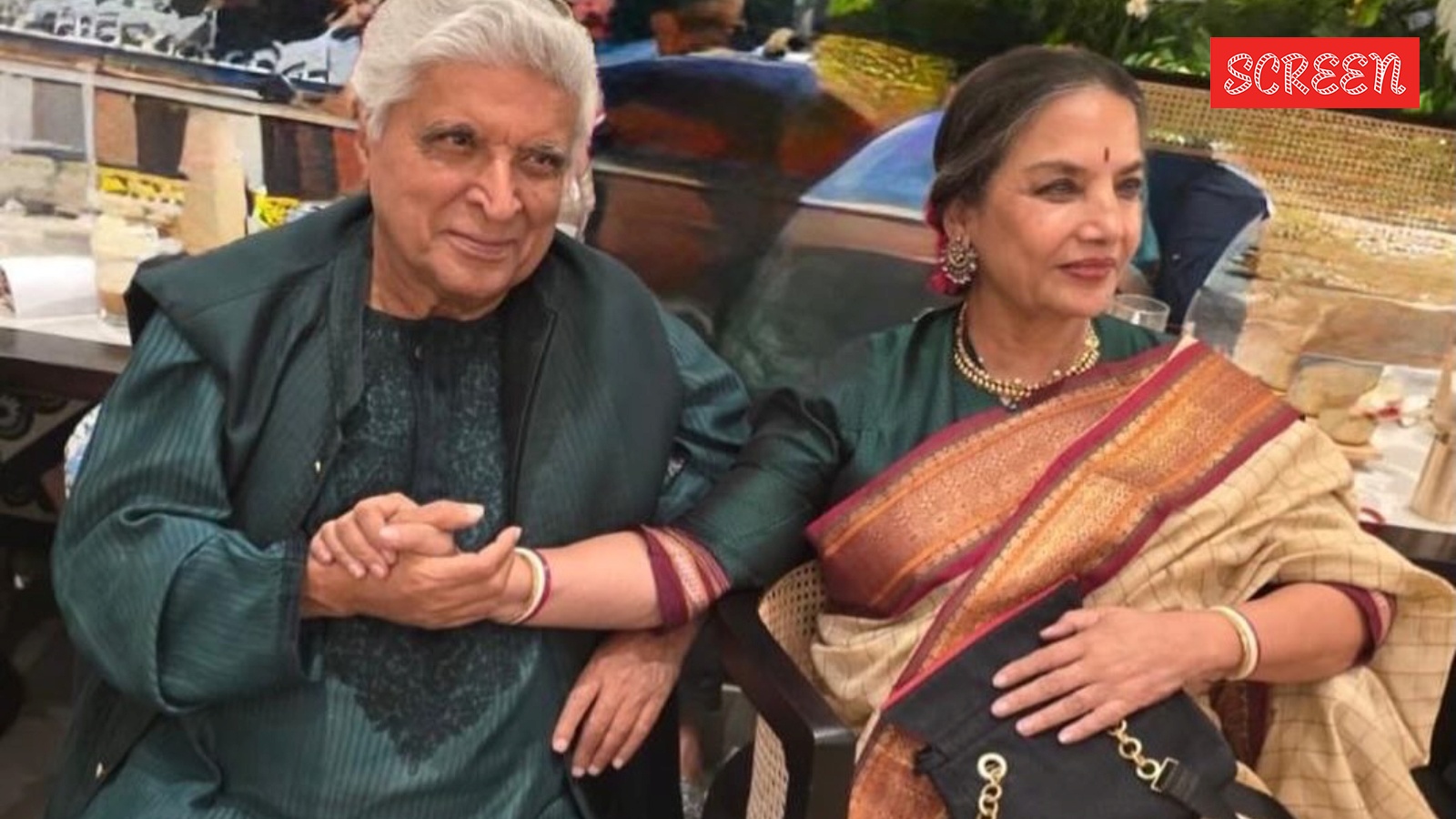
Shabana Azmi Says Liberalism, Not Religion, Defines India’s Divide
Mehbooba Mufti Says Hindu-Muslim Politics Masks India’s Governance Failures
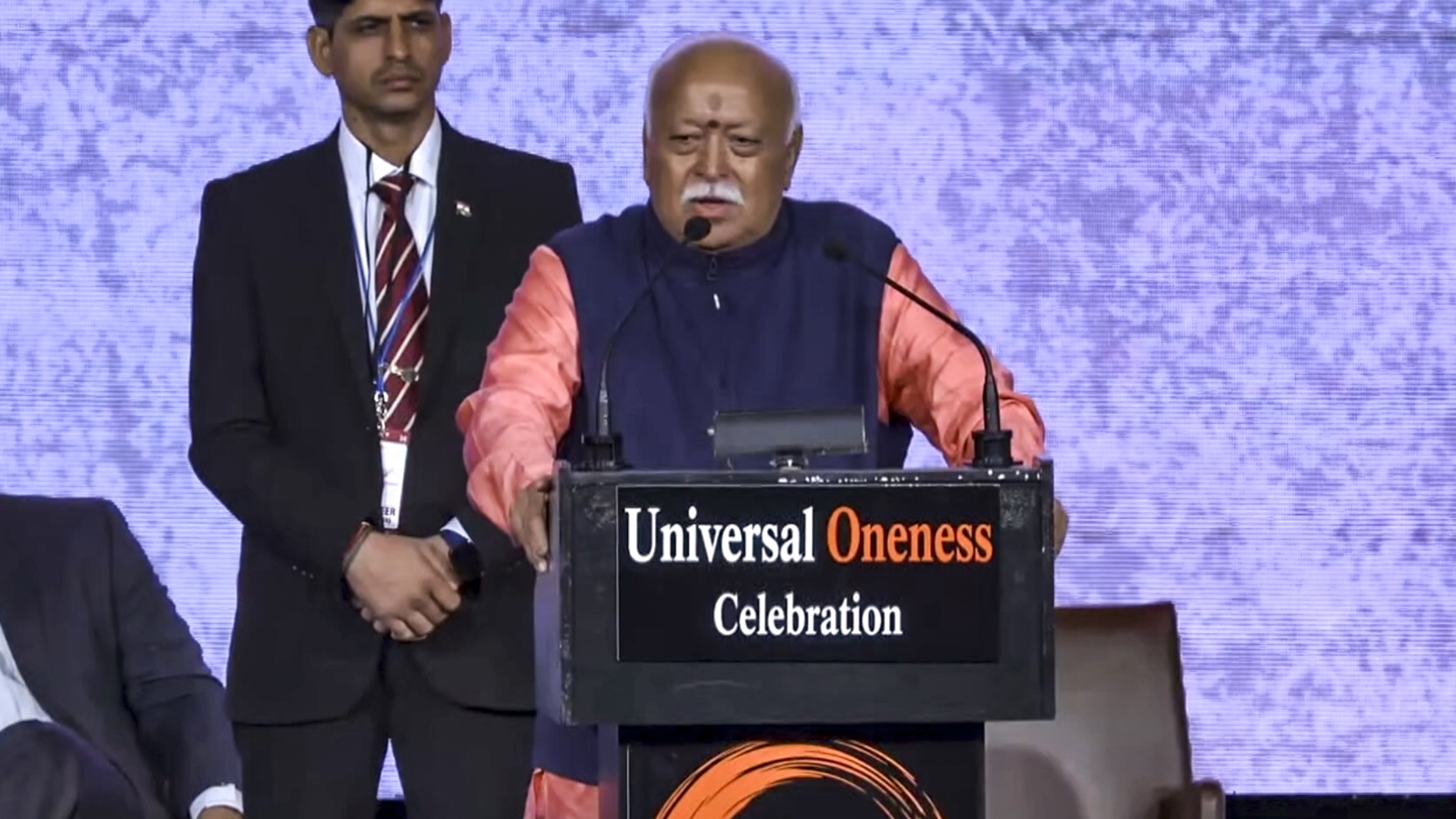
Bhagwat Presents RSS as India’s Inclusive Civilisational Movement
Bhagwat’s New York Speech Sparks Debate Over Hindutva
Delhi Discussion Reclaims Kazi Nazrul Islam’s Syncretic Legacy

Gen Z Movement Tests India’s Future Political Common Ground
Owaisi Rejects Namaz at Any Rebuilt Babri Masjid Site
Letter Urges Zohran Mamdani to Reconsider Mohan Bhagwat

India's democratic evolution: 8 decades, 18 Lok Sabha elections
