

3 weeks ago
Origins of famous historic sites remain shrouded in controversy

Some of the world's most famous old buildings and statues have stories that people argue about.
The Taj Mahal in India is a beautiful white marble building that most people think a king named Shah Jahan built.
But some people say it was really an old Hindu temple, and judges and experts say that is not true.
In the city of Ayodhya, an old mosque was torn down in 1992 by a big crowd, and the violence hurt many people.
Years later, in 2019, the highest court in India decided the land should be used for a new Hindu temple and gave another piece of land for a new mosque.
In Japan, a shrine called Yasukuni remembers soldiers who died in wars, but it also honors some people who did very bad things, which makes other countries angry.
In England, a tall column celebrates a hero named Admiral Nelson, but he also believed things that many people now think are wrong.
Even a giant pyramid in Egypt makes people argue about who built it and how.
When old monuments mean different things to different people, the arguments can last for a very long time.

The Taj Mahal's origins are disputed: some claim it was originally a Hindu temple called Tejo Mahalaya, but courts and the Archaeological Survey of India have dismissed such claims as lacking credible proof.
On December 6, 1992, kar sevaks organized by the Vishwa Hindu Parishad and Bharatiya Janata Party demolished the 16th-century Babri Masjid in Ayodhya, triggering riots that killed around 2,000 people.
In November 2019, the Supreme Court of India awarded the Ayodhya land to the Hindu community for a temple and allocated an alternative plot for a new mosque.
The Yasukuni Shrine in Tokyo, built in 1869, honors more than 2.5 million Japanese war dead, including 14 war criminals, which Koreans and Chinese find unacceptable.
London's Nelson's Column honors Admiral Horatio Nelson, a British hero who defeated Napoleon but also supported the slave trade and held racist views.
- Who
- Historians, archaeologists, religious groups, courts, and governments, along with historical figures such as Shah Jahan, Muhammad Quli Qutb Shah, Admiral Horatio Nelson, and Joseph Stalin.
- What
- The origins and meanings of famous monuments are disputed and remain subjects of ongoing controversy and contradictory narratives.
- Where
- Across the world: India (Agra, Varanasi, Ayodhya, Hyderabad, Delhi), Egypt (Giza), Chile (Easter Island), Mexico (Teotihuacán), Japan (Tokyo), London, and the Soviet Union.
- When
- Events span centuries: the Charminar was built in 1591 CE, the Taj Mahal in the 17th century, the Babri Masjid was demolished on December 6, 1992, and the Supreme Court ruled on Ayodhya in November 2019.
- Why
- Monuments carry deep religious, political, and cultural significance, and societies' interpretations change over time, producing conflicting narratives and animated debate.
Revisionist and critical narratives
Mainstream scholarship and official findings
Taj Mahal's original builder
Revisionist and critical narratives
Some groups claim the Taj Mahal was originally a Hindu temple called Tejo Mahalaya, not a mausoleum built by Shah Jahan.
Mainstream scholarship and official findings
Courts and the Archaeological Survey of India have dismissed such claims as lacking credible proof, with scholars relying on verifiable historical and architectural evidence.
Qutub Minar's religious origins
Revisionist and critical narratives
Some people claim the minaret sits on a primarily Hindu/Jain temple site and demand legal rights for worship restoration.
Mainstream scholarship and official findings
Established historians say the complex repurposed materials from destroyed local temples, but the 73-meter minaret itself was built as an Islamic victory tower by the early Delhi Sultanate.
Nelson's legacy in London
Revisionist and critical narratives
Admiral Horatio Nelson is celebrated as a British hero who defeated Napoleon and died at the Battle of Trafalgar in 1805.
Mainstream scholarship and official findings
Nelson supported the slave trade, was a 'white supremacist,' and firmly stuck to his racist views even as others raised voices against discrimination toward black people.
Key facts
- Taj Mahal
- 17th-century white marble mausoleum generally attributed to Moghul Emperor Shah Jahan
- Babri Masjid demolition
- December 6, 1992, by kar sevaks in Ayodhya
- Riots death toll
- Around 2,000 people across India
- Ayodhya verdict
- November 2019 Supreme Court ruling awarding land for a Hindu temple
- Yasukuni Shrine
- Built 1869; honors over 2.5 million war dead, including 14 war criminals
- Charminar
- Built in 1591 CE by Muhammad Quli Qutb Shah
- Qutub Minar
- 73-meter minaret built as an Islamic victory tower by the early Delhi Sultanate
- Kashi Vishwanath–Gyanvapi dispute
- Centers on historical temple demolition, ongoing legal battles over religious rights, and recent corridor developments
Sources
Related news
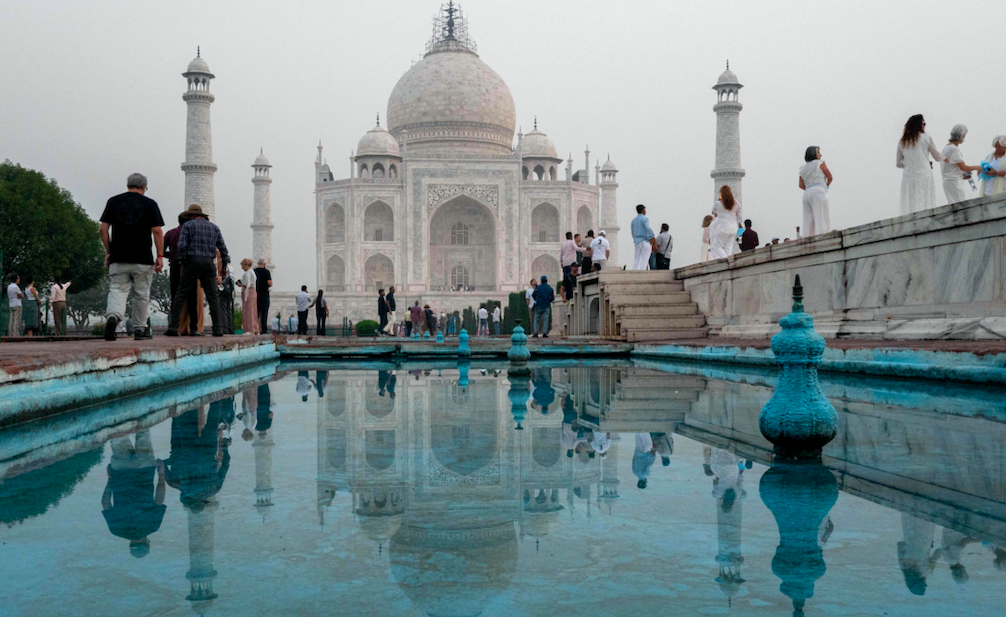
Respect the Taj Mahal's Deep Sacred Meaning, Not Just Architecture

Jains Fear Religious Encroachment at Sacred Sammed Shikharji

Time Erases Political Pretensions and Their Monumental Markers
Letter Urges Zohran Mamdani to Reconsider Mohan Bhagwat

Pakistan Temple Demolition Sparks Investigation and Restoration Demands
Owaisi Rejects Namaz at Any Rebuilt Babri Masjid Site

India's democratic evolution: 8 decades, 18 Lok Sabha elections

Uttar Pradesh Assembly Adjourned Amid Ram Mandir Donation Row
