

3 days ago
Mehbooba Mufti Says Hindu-Muslim Politics Masks India’s Governance Failures
Mehbooba Mufti says India is paying too little attention to basic government failures.
She points to unsafe buildings, damaged roads, delayed medical care and violence against women.
She says people often become upset only briefly before moving on to the next news story.
She believes religious arguments are distracting citizens from asking leaders to provide safety and good services.
She describes Muslim groups choosing courts and legal methods instead of street confrontations after a mosque demolition.
She says this caution comes from fear that protests could lead to arrests or more conflict.
She also describes Muslim leaders encouraging restraint over cow slaughter and public-road prayers.
Mufti asks whether this kind of division can build a developed India by 2047.
Her main message is that politicians may gain from the 80-20 Hindu-Muslim divide, but ordinary people lose.

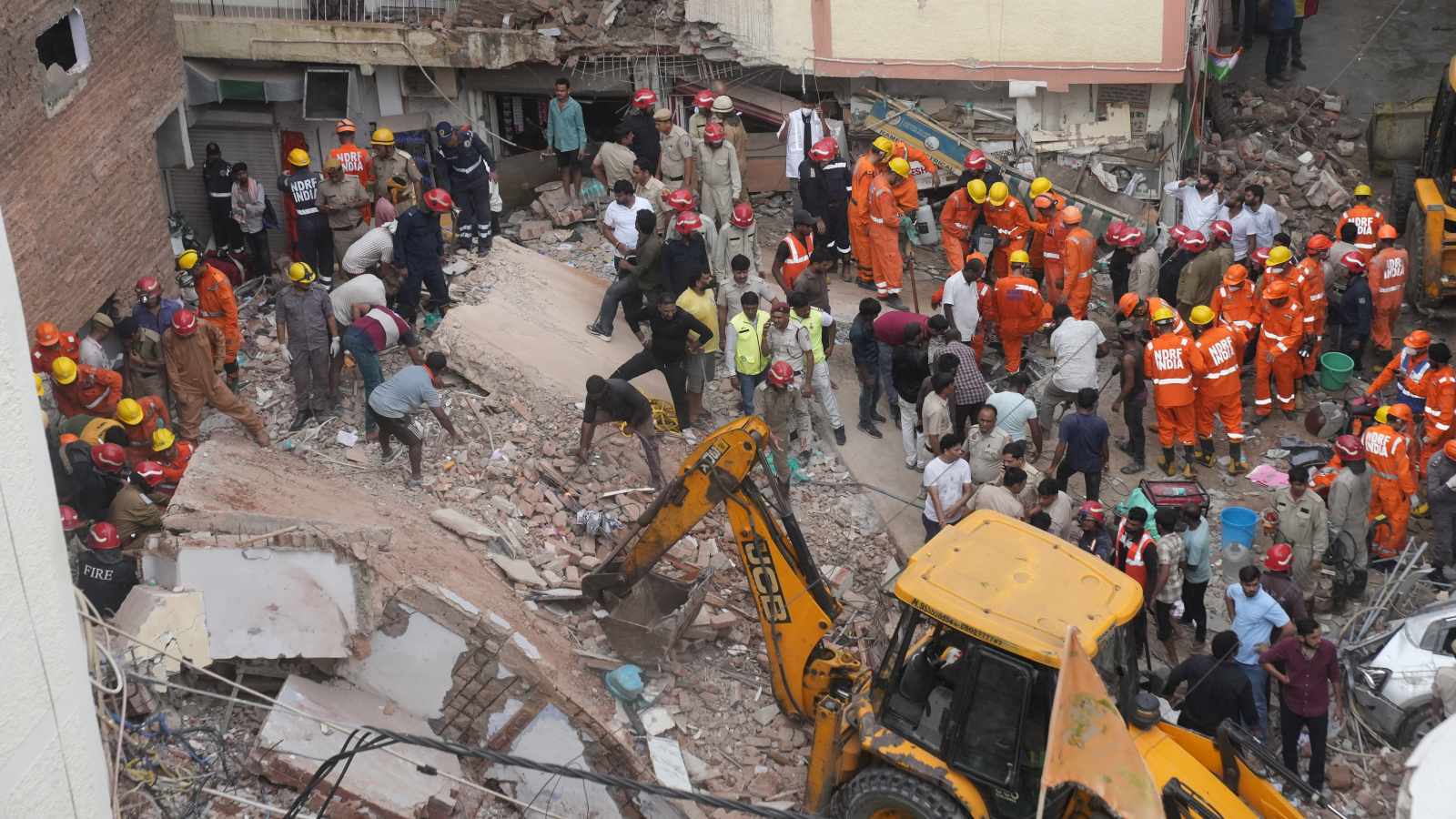
Mehbooba Mufti argues that collapsing governance is causing preventable deaths and leaving ordinary Indians without accountability.
She cites the Delhi building collapse, delayed ambulances, a child’s death, and a rape on a moving bus as examples of public indifference.
Mufti says religious polarization has displaced demands for better roads, healthcare, safety and justice.
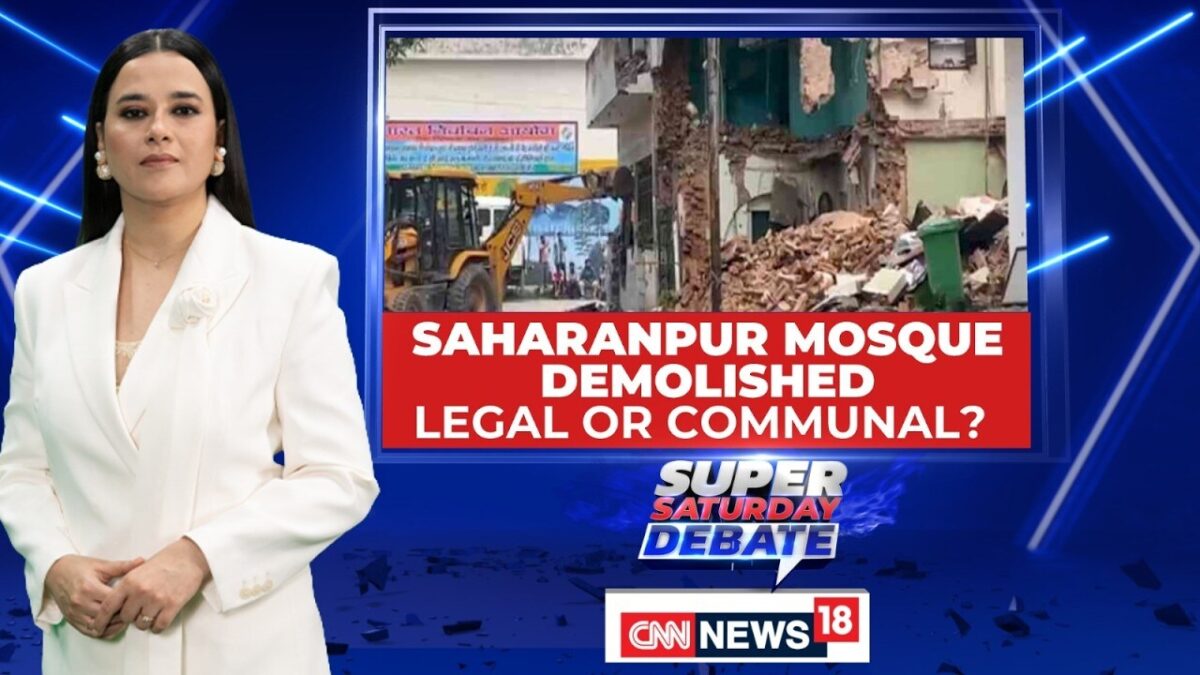
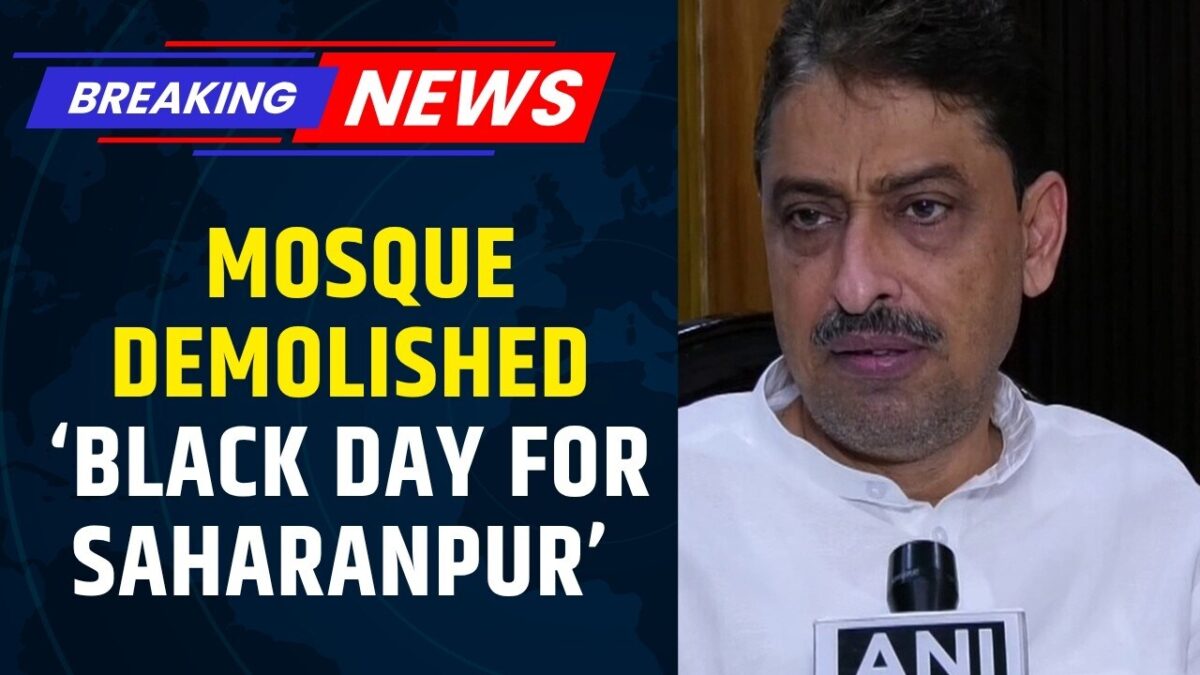
She highlights Muslim organizations’ preference for constitutional and legal remedies after a mosque demolition in Saharanpur.
She argues that the so-called 80-20 political strategy benefits politicians while leaving both Hindus and Muslims vulnerable.
- Who
- Mehbooba Mufti, the former chief minister of Jammu and Kashmir, discusses the effects of religious polarization and governance failures on ordinary Indians.
- What
- She argues that an alleged Hindu-Muslim 80-20 political strategy is distracting from collapsing public services, violence and a lack of accountability.
- Where
- The incidents cited occurred in Delhi, Agra, Pilibhit, Greater Noida, Saharanpur and West Bengal.
- When
- The article discusses recent incidents, including the Satya Niketan building collapse and the recent demolition of a mosque in Saharanpur.
- Why
- Mufti says political polarization and fear of confrontation are weakening public demands for governance, justice and accountability.
Key facts
- Author
- Mehbooba Mufti, identified as a former chief minister of Jammu and Kashmir
- Central argument
- Religious polarization is overshadowing failures in governance and public safety.
- Delhi building collapse
- A PG building collapse in Satya Niketan reportedly killed seven people, including students.
- Medical emergencies
- The article describes an ambulance delayed by a pothole in Agra and a child delayed on a damaged road in Pilibhit.
- Saharanpur mosque
- Mufti discusses the demolition of a mosque and Muslim organizations’ emphasis on legal remedies and communal peace.
- Muslim restraint
- The article cites appeals to avoid cow sacrifice during Eid ul Adha and to avoid prayers on public roads.
- Long-term goal referenced
- Mufti questions whether the 80-20 political approach can help build Viksit Bharat 2047.
Sources
Related news

Rahul Gandhi Accuses BJP Government After Satya Niketan Collapse
Saharanpur Mosque Demolition Sparks Row Over Encroachment and Rights
Nepal’s Communal Violence Tests Balendra Shah’s New Government
Saharanpur Mosque Demolished After Appeal Dismissed, MPs Protest
Saharanpur Mosque Demolition Sparks Congress, SP Criticism, UP Government Defense

Saharanpur Mosque Demolition Sparks Political Row Over Court Action

Uttar Pradesh Releases Rs 1 Crore for Pilibhit Leopard Safari

Four Men Sentenced to Life for Pilibhit Killing
Uttar Pradesh Scheme Supports Dignified Marriages for Economically Weaker Families
Uttar Pradesh Floods Worsen as Evacuations and Relief Expand