1 hr ago
Gen Z Movement Tests India’s Future Political Common Ground

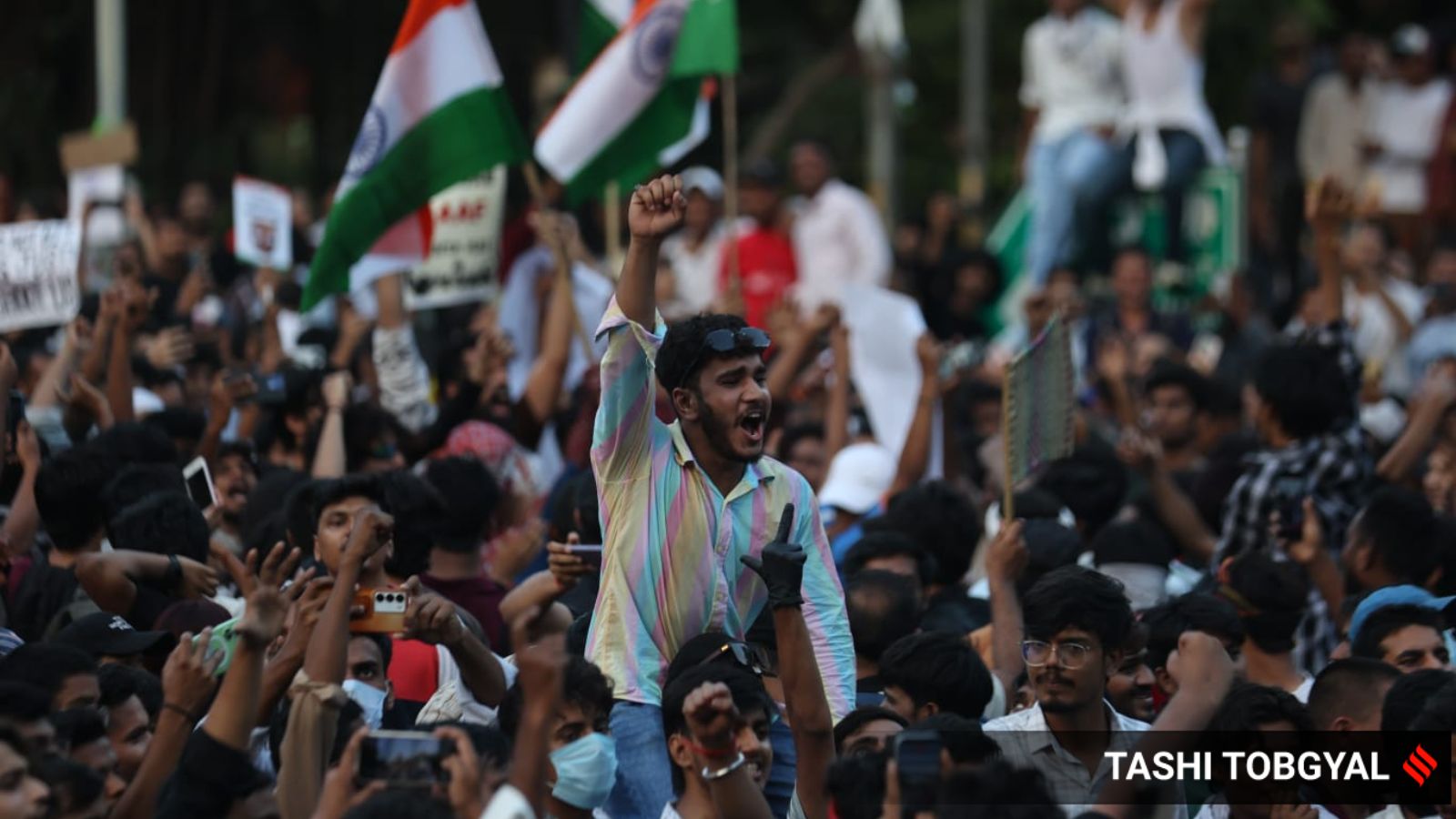
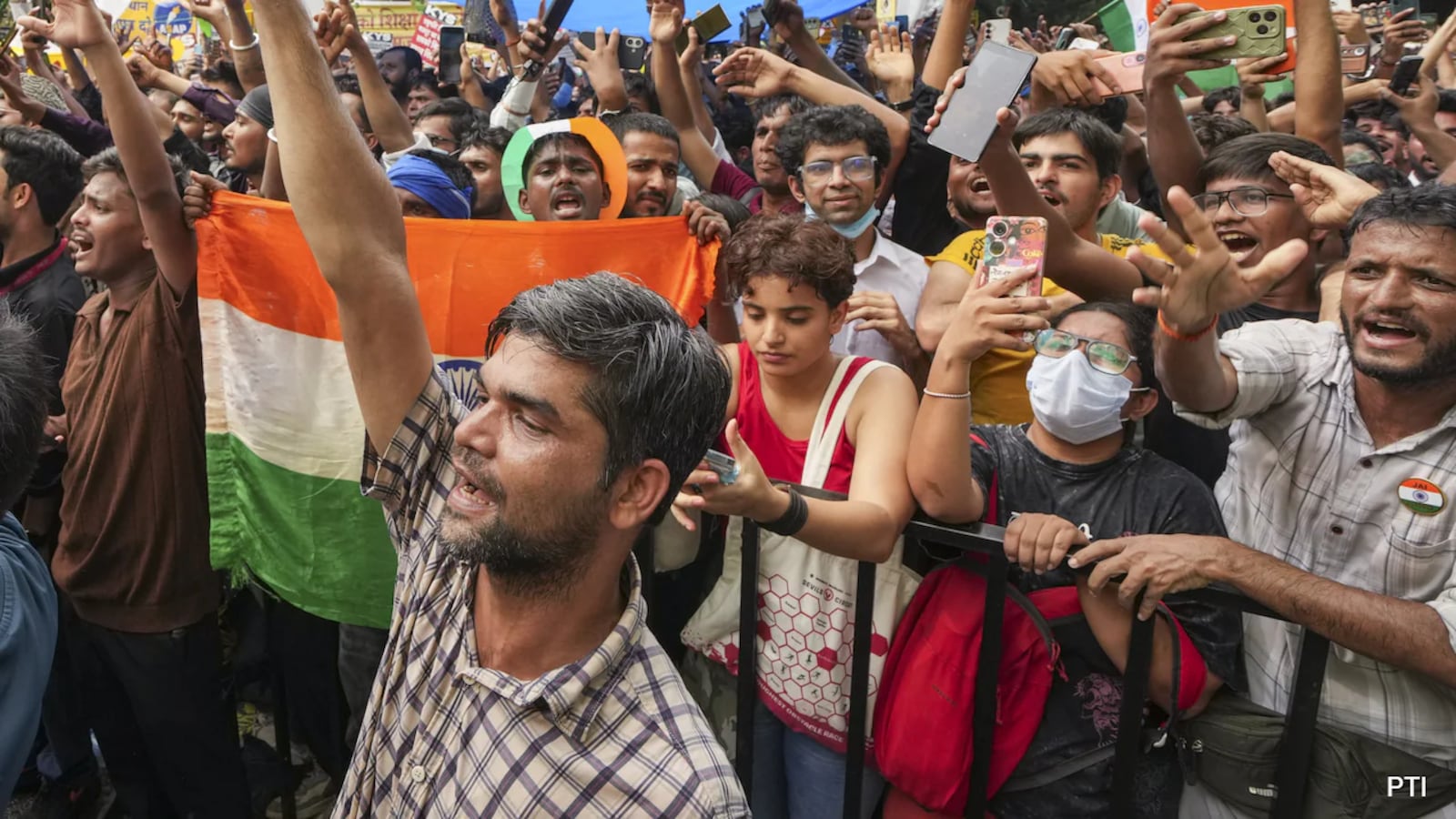
Young people in India have been protesting about education and jobs.
Their protests became important enough for the government to listen and change its position.
Many people now wonder whether this movement will last or disappear after social-media attention fades.
Indian politics has often divided people by caste, religion and other identities.
Some political leaders have tried to bring different groups together, but those efforts have had mixed results.
The article says young protesters may have a new way to unite people.
However, they still need to explain how they will deal with old problems such as caste inequality and minority concerns.
They also need to consider economic difficulties and disagreements between the central and state governments.
To survive, the movement must include people beyond young protesters.

A student-led movement focused on education and jobs has raised questions about whether young people can reshape Indian politics.
The movement’s social-media visibility may fade unless it develops lasting organisations, language and alliances.
The analysis contrasts the divisive legacies of Mandal and Mandir with newer efforts to build broader political communities.
Past cross-cutting projects by Mayawati, Nitish Kumar, the Aam Aadmi Party and others have faced significant limitations.
For the movement to endure, it must address caste inequality, minority concerns, economic stress and federal tensions while reaching beyond youth.
- Who
- Young protesters and students, alongside political parties and leaders discussed in the analysis.
- What
- A student movement focused on education and jobs is being assessed as a possible new form of inclusive Indian politics.
- Where
- India, including political examples from Uttar Pradesh, Bihar, Delhi and Tamil Nadu.
- When
- The discussion follows a Jantar Mantar sit-in and the movement’s recent visibility through social media.
- Why
- The movement’s supporters and observers are asking whether it can create lasting common ground beyond caste, religious and partisan divisions.
Inclusive Youth Politics
Established Political Divisions
Movement’s potential
Inclusive Youth Politics
The student movement may create new solidarities by bringing people together around education, jobs and a shared future.
Established Political Divisions
Its impact could remain temporary if it depends mainly on social-media attention, staged political outreach or election-time excitement.
Political strategy
Inclusive Youth Politics
A broader politics can acknowledge different communities while also building a common language and wider sense of belonging.
Established Political Divisions
Older caste- and religion-based divisions, described through the Mandal and Mandir legacies, may continue to shape alliances and constrain new movements.
Scope of inclusion
Inclusive Youth Politics
The movement can become durable by addressing caste, minority rights, economic inequality and federal concerns while reaching beyond young people.
Established Political Divisions
Without a clear way to negotiate these longstanding issues, a youth movement may be overwhelmed by established political frameworks.
Key facts
- Central issue
- Whether a youth-led movement can develop into lasting, inclusive politics.
- Movement focus
- Education and jobs.
- Political backdrop
- The analysis examines the legacies of the Mandal and Mandir projects.
- Key test
- The movement must address both broad national unity and specific inequalities.
- Issues identified
- Caste inequality, minority concerns, economic stress and federal tensions.
- Digital politics
- The movement’s visibility has been amplified by social media.
- Past examples
- Mayawati, Nitish Kumar, the Aam Aadmi Party, Narendra Modi, Prashant Kishor and Vijay are cited as efforts to build wider political communities.
Sources
Related news
After Jantar Mantar, BJP and Congress Face Internal Tests
Yogendra Yadav Urges Parties to Unite Behind Youth

Gen Z Protests Knock on India’s Democratic Door

Bhattacharya Says Gen Z Is Now a Political Constituency
India’s Parties Court Gen Z After Youth Protests

Jharkhand Youth Leader Demands Recruitment Reforms Beyond Political Dialogue
Owaisi Rejects Namaz at Any Rebuilt Babri Masjid Site
Letter Urges Zohran Mamdani to Reconsider Mohan Bhagwat

India's democratic evolution: 8 decades, 18 Lok Sabha elections

Origins of famous historic sites remain shrouded in controversy