

0 months ago
Turkey, Saudi Arabia Mecca Pact: From Strategic Suspicion to Necessity
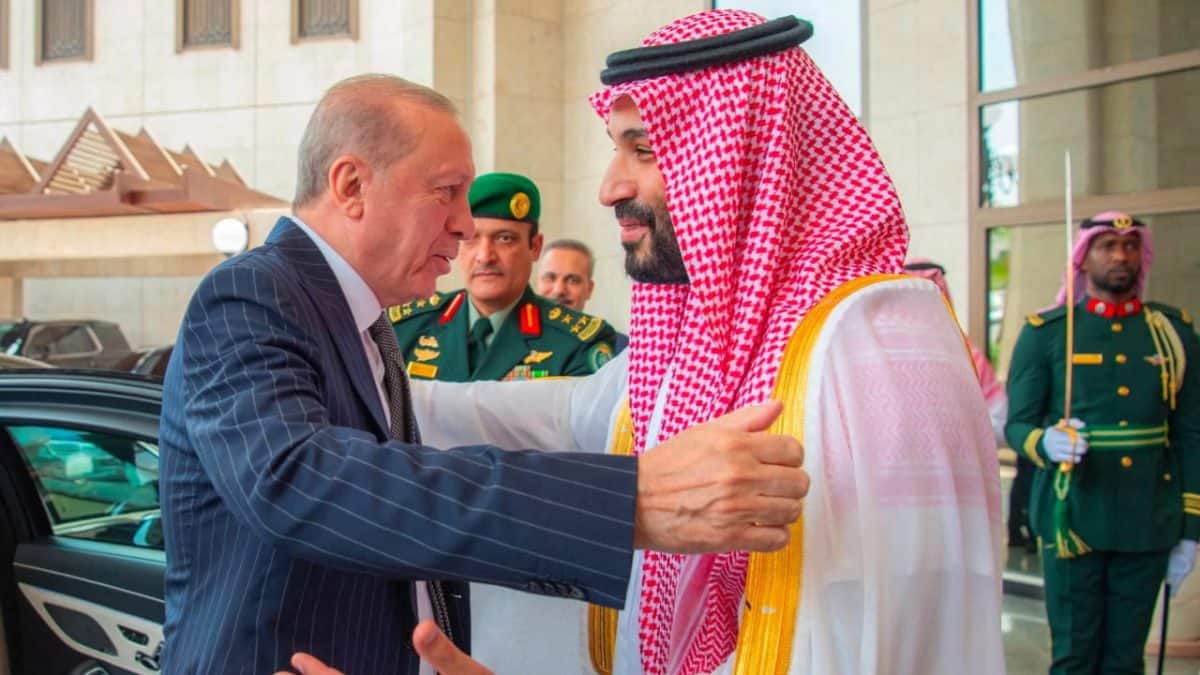
Turkey and Saudi Arabia are two powerful countries that were rivals for many years.
They disagreed about politics and supported different sides during the Arab Spring.
Turkey once backed Egypt's President Mohamed Morsi, which made Saudi Arabia suspicious of it.
Over time, both countries decided that staying rivals cost too much.
They made a security agreement called the Mecca Pact, with Pakistan as a third partner.
Turkey remains a member of NATO, the Western defence alliance, but also wants stronger ties with the Muslim world.
Saudi Arabia keeps its most important partnership with the United States, but wants extra security partners as a backup.
The pact gives Saudi Arabia more military capability and Turkey a stronger position in the Gulf.
The two countries still disagree on many issues, but they have decided that working together helps them both.

Turkey and Saudi Arabia, long viewed as regional rivals, have formalized a defence pact named the 'Mecca Pact' that also includes Pakistan.
President Recep Tayyip Erdogan has shifted Turkey's regional strategy from seeking influence through political Islam toward influence based on state power.
Saudi Arabia is diversifying its security ties beyond the United States, adding relationships with China, Turkey and Pakistan while keeping the US partnership fundamental.
Both governments now calculate that the cost of rivalry exceeds the cost of cooperation, even though they still differ on Iran, Syria, political Islam, Israel and regional order.
The author argues the 2026 events accelerated, but did not create, the convergence, and that the pact is less a 'Muslim NATO' than a marker of Turkey's expansion beyond the West.
- Who
- Turkey under President Recep Tayyip Erdogan, Saudi Arabia and Pakistan — the partners in the trilateral 'Mecca Pact' defence agreement.
- What
- Two former regional rivals formalized a security pact, the 'Mecca Pact,' reflecting a shift in their relationship from strategic suspicion to strategic necessity.
- Where
- Named for Mecca, the agreement spans Turkey, Saudi Arabia and Pakistan and the wider West Asian region.
- When
- In the context of 2026 developments, notably since February, building on a convergence that developed over the period from 2014 to 2026.
- Why
- Because both powers concluded that the cost of rivalry now exceeds the cost of cooperation: Turkey seeks strategic centrality beyond the West, and Saudi Arabia seeks security diversification.
Author's interpretation
Alternative interpretations
Roots of the pact
Author's interpretation
The Mecca Pact crystallized a convergence that had been developing for years, largely since 2014; the 2026 events accelerated but did not create the trend.
Alternative interpretations
Some read today's strategic developments almost entirely through the events of 2026, particularly those since February.
Nature of the pact
Author's interpretation
The pact is less a 'Muslim NATO' than a marker of a larger strategic transition in which Turkey expands beyond the West.
Alternative interpretations
The agreement can be seen as a 'Muslim NATO' — a bloc of Muslim-majority states forming a defensive alliance.
Turkey's relationship with the West
Author's interpretation
This is not a retreat from the West but an expansion beyond it; Turkey retains NATO membership and European economic links.
Alternative interpretations
Turkey has stopped believing that its strategic future can be defined by the West alone, which some could read as a drift away from the Western alliance.
Key facts
- Agreement
- The 'Mecca Pact' (also called the Mecca agreement), a security and defence framework
- Participating countries
- Turkey, Saudi Arabia and Pakistan
- Turkey's Western ties
- NATO member; European Union candidate with effectively stalled accession negotiations
- Saudi Arabia's key security partner
- United States, with diversification toward China, Turkey and Pakistan
- Root of earlier rivalry
- Turkey's support for Egypt's Mohamed Morsi and the Muslim Brotherhood; Morsi was overthrown in 2013
- Timeline
- Convergence shaped by events from 2014 to 2026; accelerated (not created) by 2026 developments
- Author
- Governor of Bihar and former Commander of the Indian Army's Chinar Corps
Sources
Related news
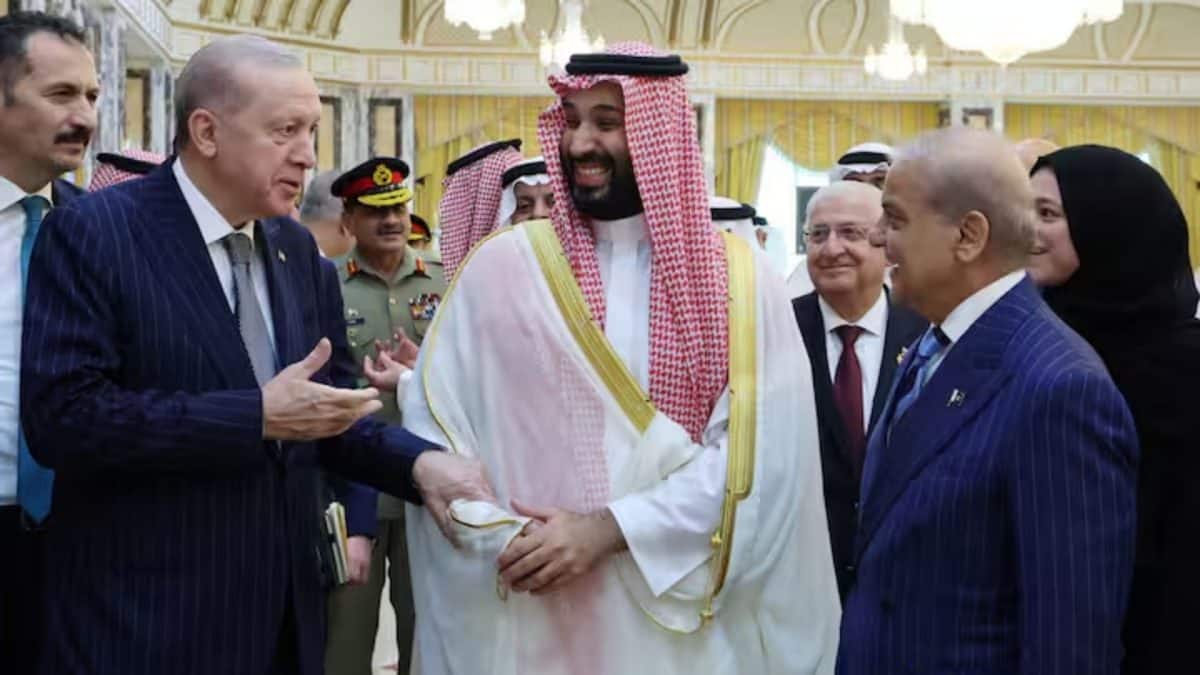
Mecca Defence Alliance Reshapes West Asian Security Calculus for India
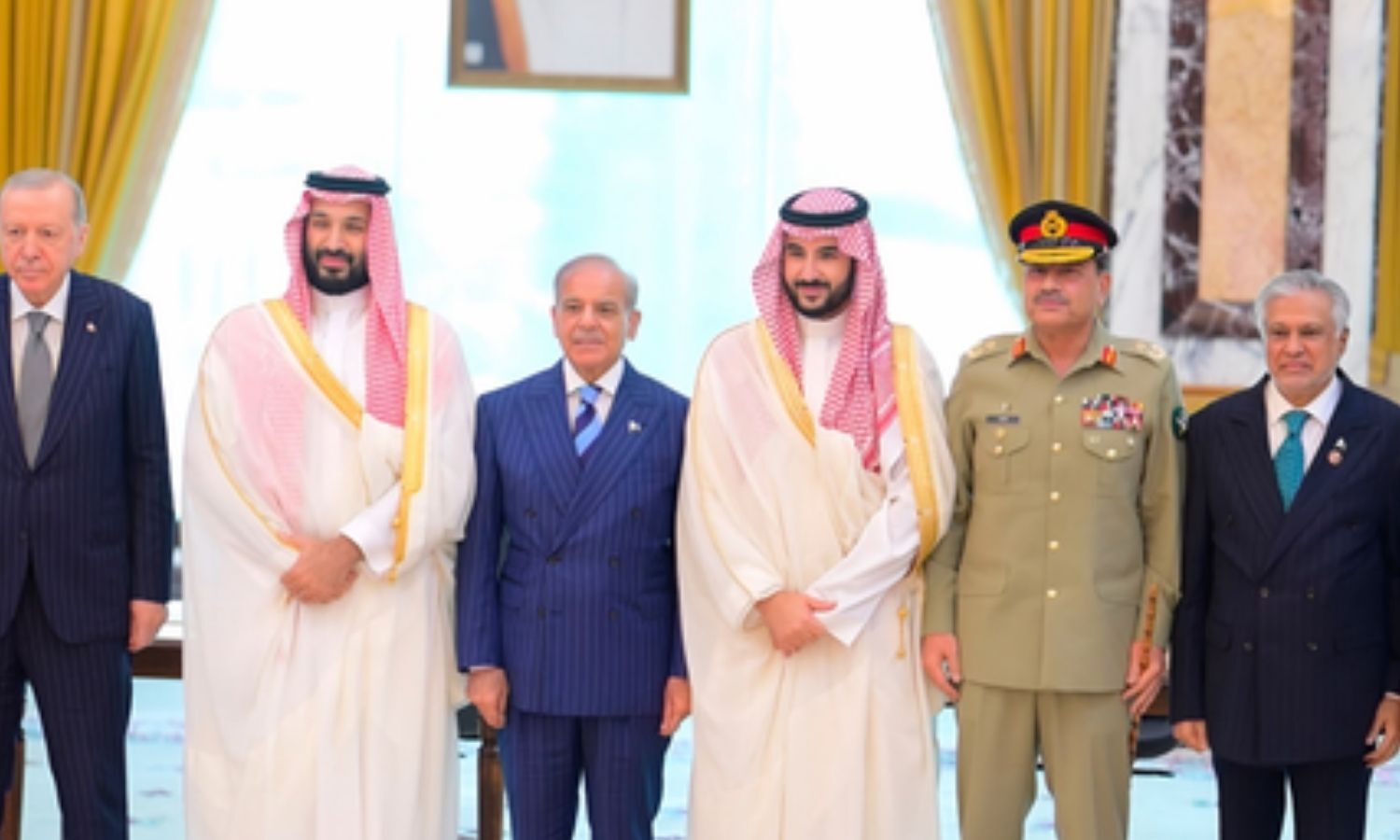
Mecca Defence Pact Faces Questions Over Its Political Cohesion
Erdogan Signals Egypt May Join Turkey-Saudi-Pakistan Defence Pact
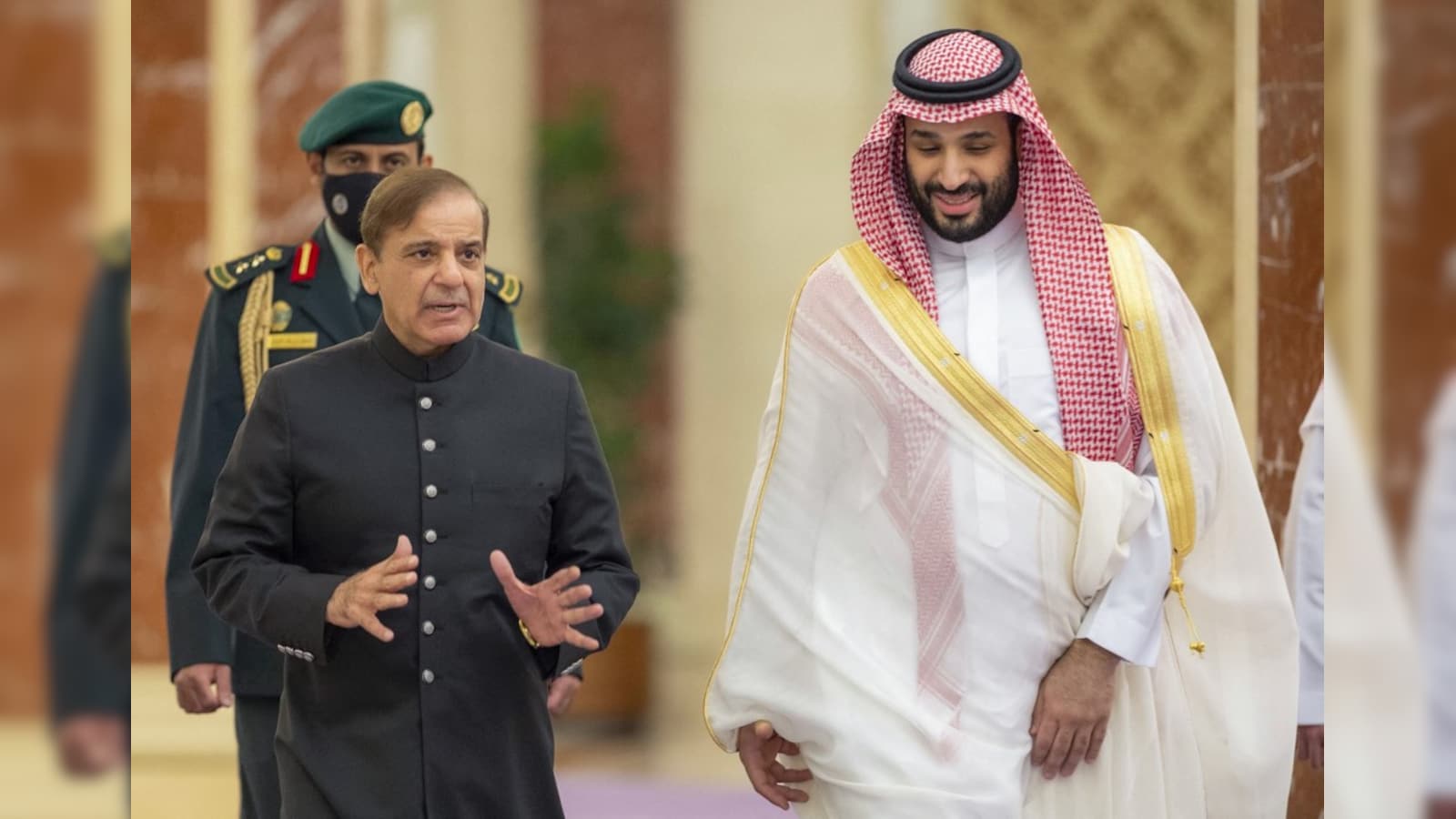
How Far Will Saudi Arabia Go for Pakistan's Mecca Pact?
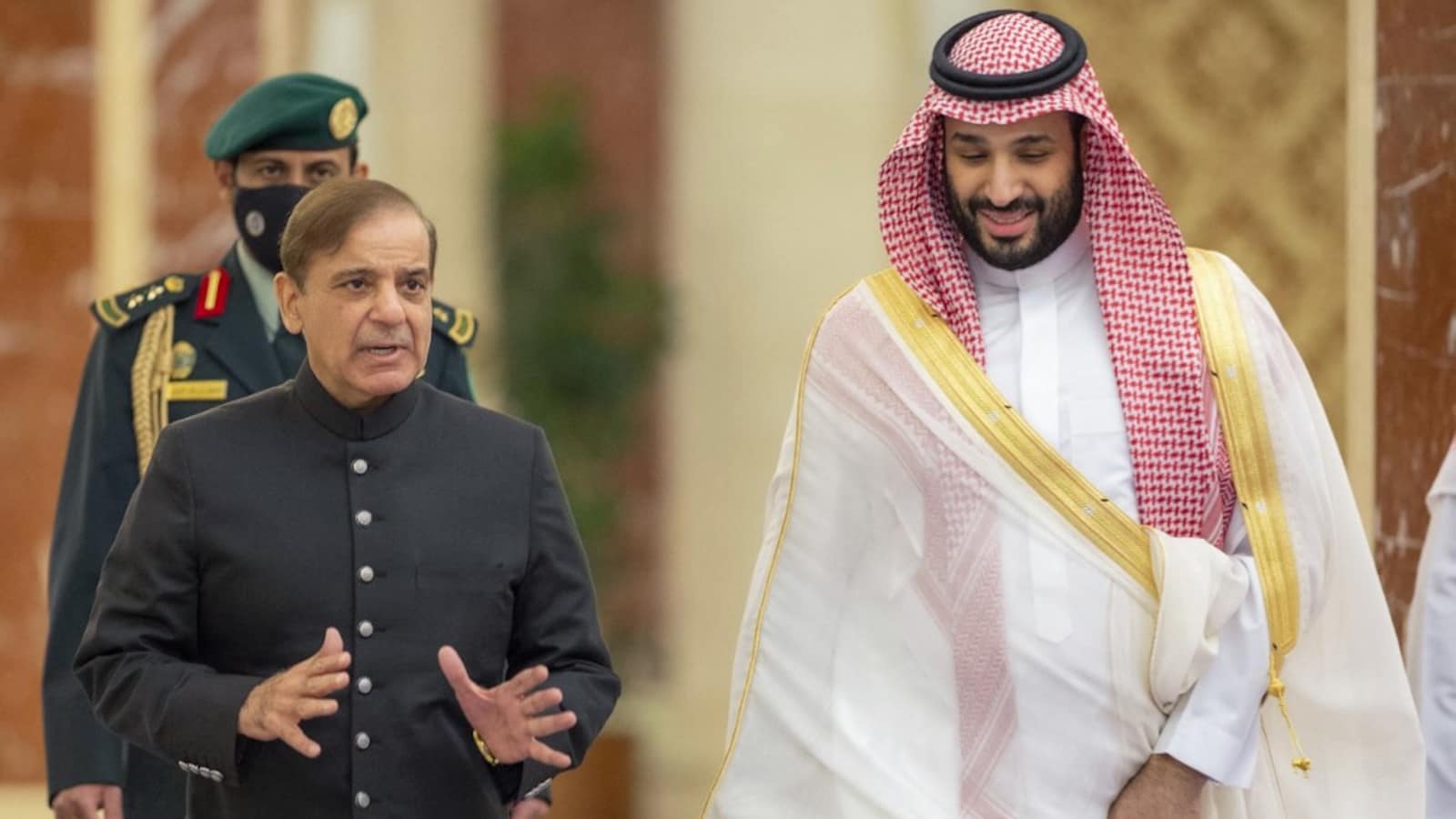
India's Response to Mecca Pact Faces Strategic Test
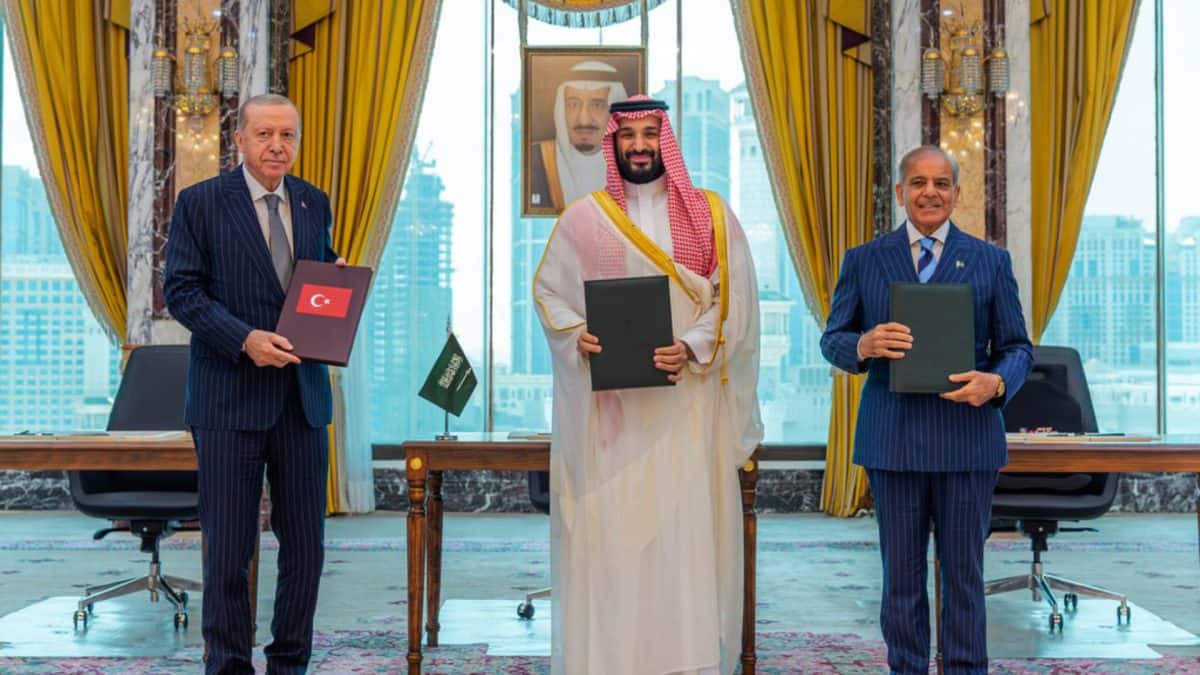
Mecca Pact Faces Questions Over Scope And Strategic Coherence
NATO Chief Warns China Could Coordinate Russia During Taiwan Attack

Why Sweden’s 2026 Election Matters So Much to India

Putin Blames NATO Expansion and Western Pressure for Ukraine War
Putin Warns European Troops in Ukraine Would Mean War

India's BRICS Presidency Faces Wars, Trade Tensions and Global Turmoil
