

1 week ago
ADB Loan Targets Chennai’s Water and Sewerage Crisis
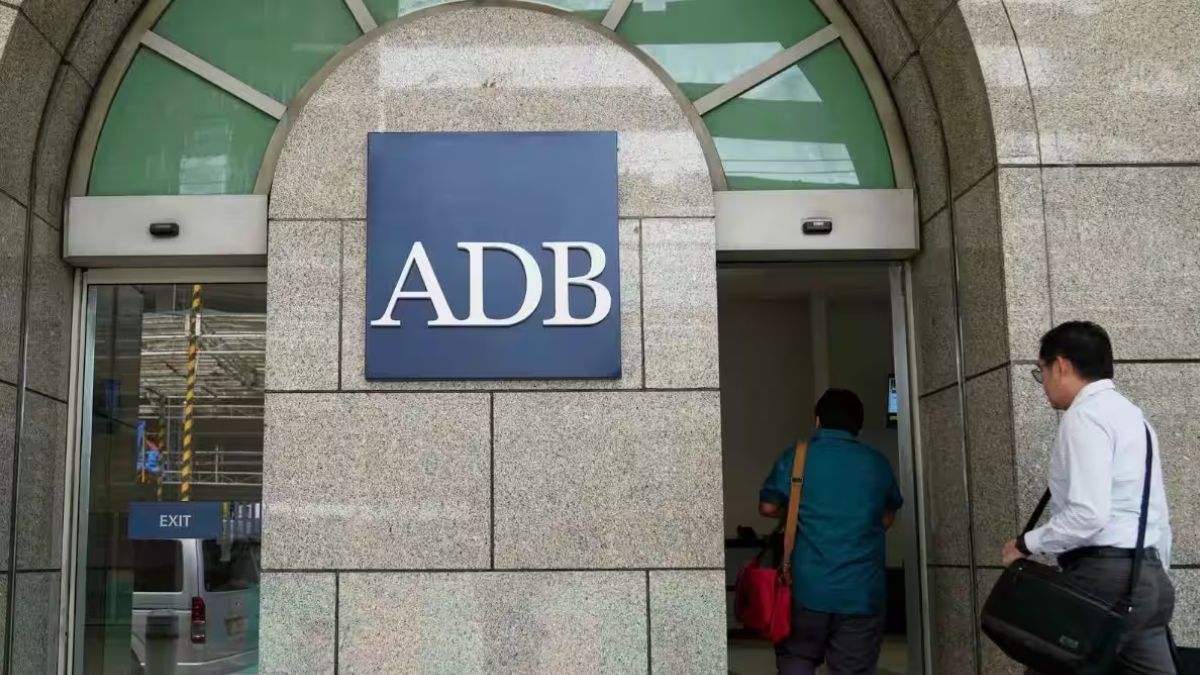
Chennai often faces both too much water from flooding and too little water during dry periods.
India and the Asian Development Bank are providing a $230 million loan to improve the city’s water and sewer systems.
The project will add more than 170 kilometres of pipes and upgrade many pumping stations.
It will also create a ring-shaped water network to help keep pressure more even.
Computers and real-time monitoring will help officials track the system.
The project is mainly about distributing existing water more reliably, not creating a completely new water source.
Chennai’s population growth and irregular rainfall have made shortages worse.
A serious shortage in 2019 showed how vulnerable the city can be.
Earlier infrastructure projects also show that careful planning and maintenance will be important.
The loan will be judged by whether people receive better services, not simply by how many assets are built.

India and the Asian Development Bank signed a $230 million loan agreement to modernise Chennai’s water and sanitation infrastructure.
The project will build more than 170 kilometres of water and sewer pipelines and upgrade 45 pumping stations.
A city-wide ring-main network, real-time monitoring and data-led management are intended to improve reliability and water pressure.
Chennai remains vulnerable because of population growth, erratic monsoons, groundwater depletion and seawater intrusion.
The project’s success will depend on preparation, coordination, maintenance and whether performance measures improve services rather than only adding assets.
- Who
- The Government of India and the Asian Development Bank signed the loan agreement for Chennai’s water and sewerage utility infrastructure.
- What
- A $230 million climate-resilient water security and sewerage project will modernise pipelines, pumping stations, monitoring systems and utility operations.
- Where
- Chennai, India.
- When
- The loan agreement was signed; the articles do not provide a specific date.
- Why
- To address persistent water shortages, ageing networks, sewerage-management gaps, uneven water pressure and the city’s vulnerability to erratic rainfall and other water stresses.
Case for the Investment
Reasons for Caution
Need for modern infrastructure
Case for the Investment
Chennai needs stronger water distribution and sewerage systems because it faces shortages, ageing networks, population growth, flooding and sanitation gaps.
Reasons for Caution
New infrastructure may not produce lasting improvements unless it is properly planned, coordinated and maintained.
Accountability and technology
Case for the Investment
Performance-based contracts, real-time monitoring and data-led management could strengthen accountability and improve service reliability.
Reasons for Caution
Digital systems and additional assets cannot compensate for weak project preparation or poor operational follow-through.
Lessons from past spending
Case for the Investment
The ADB-backed programme builds on earlier investments and is aligned with national urban infrastructure initiatives.
Reasons for Caution
A 2009 project involving Kolavoy Lake was abandoned after water availability was not confirmed, and the Comptroller and Auditor General identified Rs 1.35 crore in wasteful expenditure; the example highlights execution risks, though it does not establish that the new project will fail.
Key facts
- Loan value
- $230 million
- Project name
- Chennai Climate-Resilient Water Security and Sewerage Project
- New pipelines
- More than 170 kilometres of water supply and sewer pipelines
- Pumping stations
- Seven water pumping stations and 38 sewer pumping stations will be upgraded
- Network design
- A comprehensive city-wide ring-main network will be introduced
- Monitoring
- The project includes real-time monitoring and data-led utility management
- Earlier crisis
- Chennai’s main reservoirs nearly dried up during the 2019 water shortage known as the “Day Zero” crisis
Sources
Related news

India and ADB Sign $230 Million Chennai Water Loan
Delhi Plans Water Network Overhaul With Rs 2,500-Crore Loan

Delhi Plans Major Water and Sewerage Infrastructure Transformation

Vijay Announces Major Desalination Plant and Urban Infrastructure Projects

Thane Water Crisis: Mayor Orders Probe Into Contractors' Lapses
NGT Flags Sewage Gap as 18 Madhya Pradesh Rivers Fail BOD

Ongole Water Project Promises 135 Litres Per Person Daily

Odisha Unveils Plans for Cleaner, Safer, Better-Planned Cities
Ten Diarrhoea Cases Reported Across Vuyyuru Mandal in Three Days
