

1 day ago
NGT Flags Sewage Gap as 18 Madhya Pradesh Rivers Fail BOD
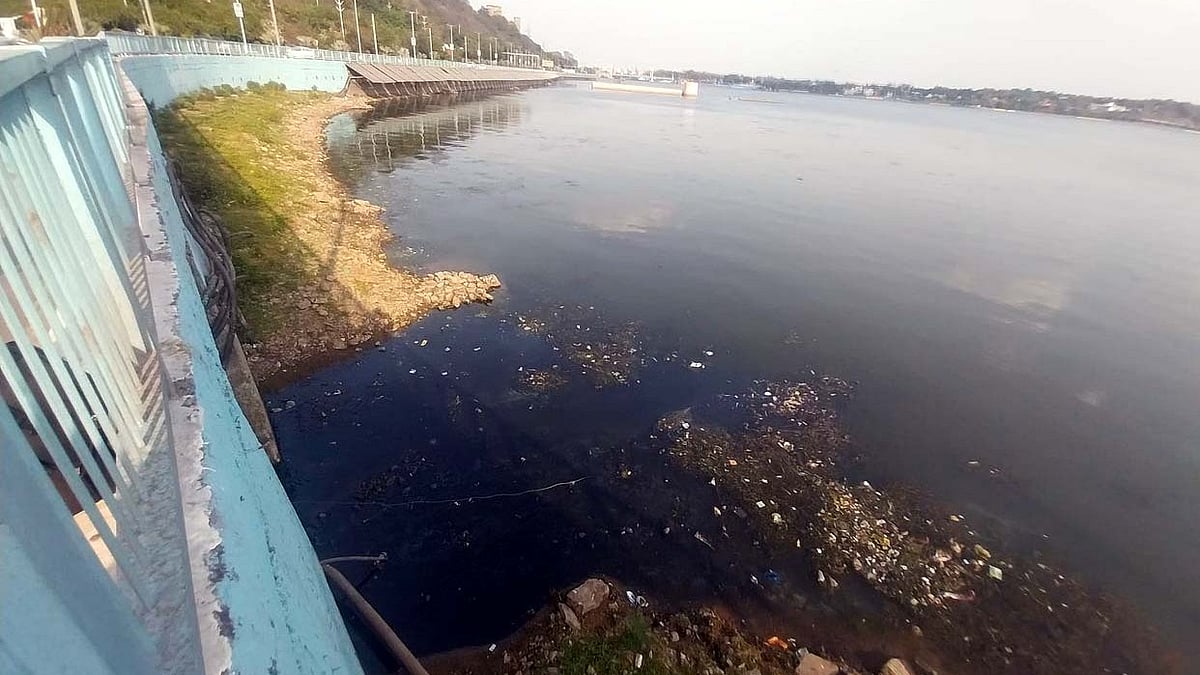
The National Green Tribunal is worried that dirty sewage is entering rivers in Madhya Pradesh.
The state produces a very large amount of sewage every day.
It has treatment plants, but they treat only about one-third of all the sewage produced.
Water tests found pollution problems at 36 locations on 18 rivers.
The rivers mentioned include the Narmada, Chambal, Betwa and Tapi.
Madhya Pradesh also needs more sewer pipes and household connections.
A large sewer expansion planned under AMRUT 2.0 had not yet been completed.
The Tribunal wants officials to explain the problem district by district.
It also wants better monitoring and steps to stop untreated sewage from reaching rivers and other water bodies.

The National Green Tribunal raised concerns about untreated sewage entering major Madhya Pradesh rivers, including the Narmada, Chambal, Betwa and Tapi.
Madhya Pradesh generates about 2,183.7 million litres of sewage daily, while only 696.03 MLD is currently treated.
Central Pollution Control Board data found 36 monitoring locations across 18 of 48 rivers non-compliant with biochemical oxygen demand standards.
The state has 3,629.65 kilometres of sewer network, while 7,166.93 kilometres is planned under AMRUT 2.0; none of the planned network had been completed.
The Tribunal ordered district-wise action plans and improved monitoring, with replies due from state departments and the pollution board within four weeks.
- Who
- The National Green Tribunal, Madhya Pradesh government departments and the Madhya Pradesh Pollution Control Board are involved.
- What
- The Tribunal flagged untreated sewage, river pollution and gaps in sewage-treatment and sewer infrastructure.
- Where
- Madhya Pradesh, including the Narmada, Chambal, Betwa and Tapi river systems.
- When
- Water-quality monitoring cited covered 2022 and 2023; the next hearing is scheduled for September 28.
- Why
- The state generates more sewage than it treats, while inadequate connections, ageing infrastructure, maintenance problems and project delays contribute to pollution.
Key facts
- Daily sewage generation
- 2,183.7 million litres per day
- Installed treatment capacity
- 1,311.99 MLD
- Currently utilised capacity
- 696.03 MLD
- Monitoring coverage
- 164 locations across 48 rivers during 2022 and 2023
- Non-compliant findings
- 36 locations across 18 rivers failed prescribed BOD standards
- Existing sewer network
- Approximately 3,629.65 kilometres
- Planned sewer network
- 7,166.93 kilometres under AMRUT 2.0; none had been completed at the time of the report
Sources
Related news

NGT Orders Kshipra Rejuvenation, Stops Untreated Sewage Discharge
NGT flags major waste management lapses in West Bengal

NGT Orders Bhopal Lake Sewage Mapping, Zero Untreated Discharge Plan

UP Plans 45-Drain Sewage Network to Clean Lucknow's Gomti River

Eight Delhi Sewage Plants Fail Prescribed Discharge Standards in July

NGT orders action over Bhopal tree damage, sewage, wetlands

Ongole Water Project Promises 135 Litres Per Person Daily

Odisha Unveils Plans for Cleaner, Safer, Better-Planned Cities

Ten Diarrhoea Cases Reported Across Vuyyuru Mandal in Three Days

ADB Loan Targets Chennai’s Water and Sewerage Crisis
