12 hrs ago
Bessent Warns G20 Subsidies and Export Dependence Fuel Tensions
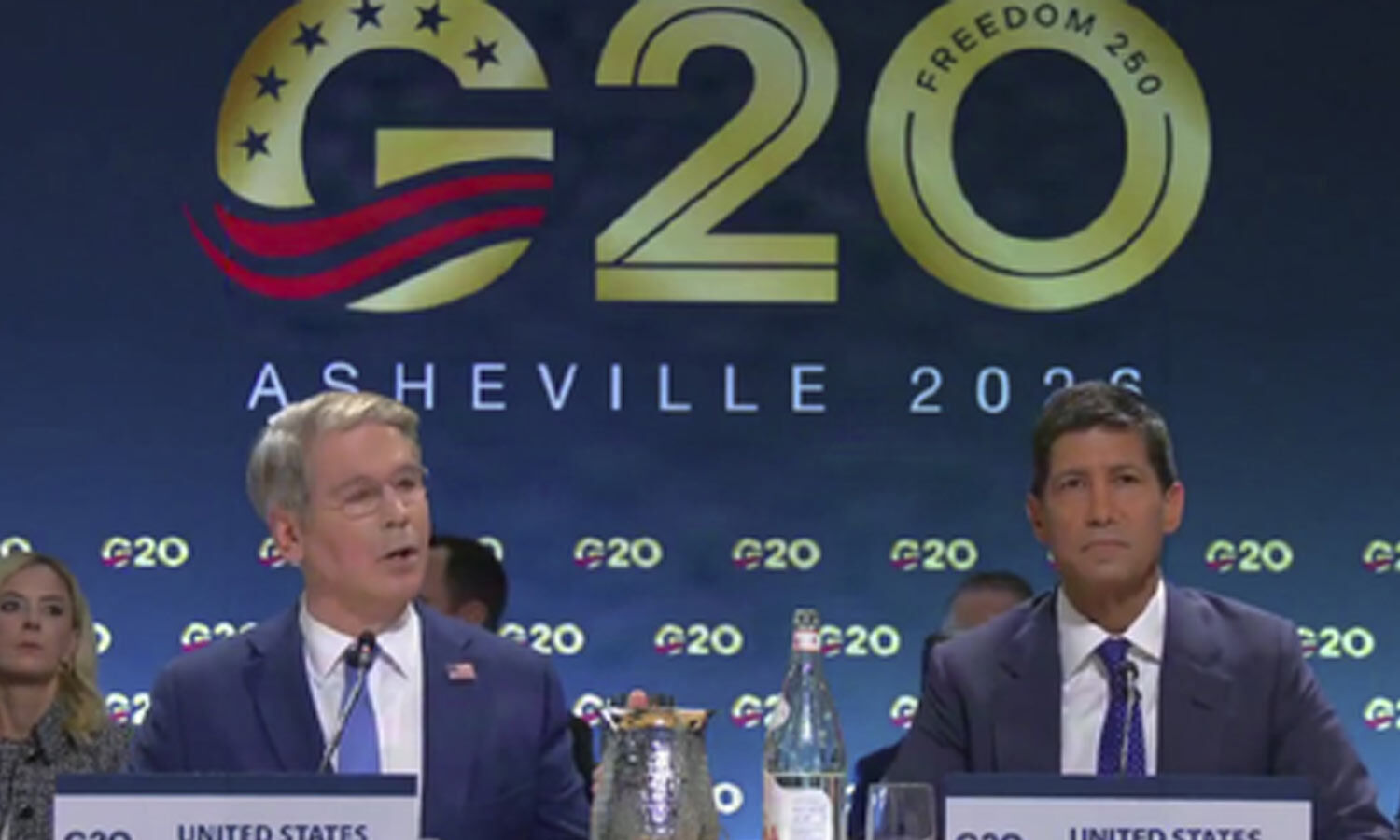
Scott Bessent told the G20 that some countries rely too heavily on selling goods to other countries.
He said subsidies and limits on market access can make competition unfair.
These policies may weaken businesses and workers in other countries.
They can also make supply chains less dependable.
Bessent said economic imbalances come from government policy choices, not by accident.
He said both countries with large surpluses and countries with large deficits should help fix the problem.
The G20 is studying when these imbalances become dangerous and how their effects spread.
The International Monetary Fund and Organisation for Economic Co-operation and Development are expected to help monitor the situation.

United States Treasury Secretary Scott Bessent warned that subsidies, restricted market access and export dependence are intensifying global economic tensions.
He said excessive and persistent imbalances can hurt workers, weaken supply-chain resilience and increase economic vulnerabilities.
Bessent argued that imbalances result from cumulative government policies involving savings, consumption, investment, subsidies, market access and exchange rates.
G20 officials agreed that imbalances are most concerning when they are excessive, persistent and unsupported by economic fundamentals.
He called for stronger monitoring and policy advice from the International Monetary Fund and Organisation for Economic Co-operation and Development.
- Who
- United States Treasury Secretary Scott Bessent, G20 economies, and officials from the International Monetary Fund and Organisation for Economic Co-operation and Development.
- What
- A G20 discussion examined how subsidies, restricted market access and export dependence contribute to excessive global economic imbalances.
- Where
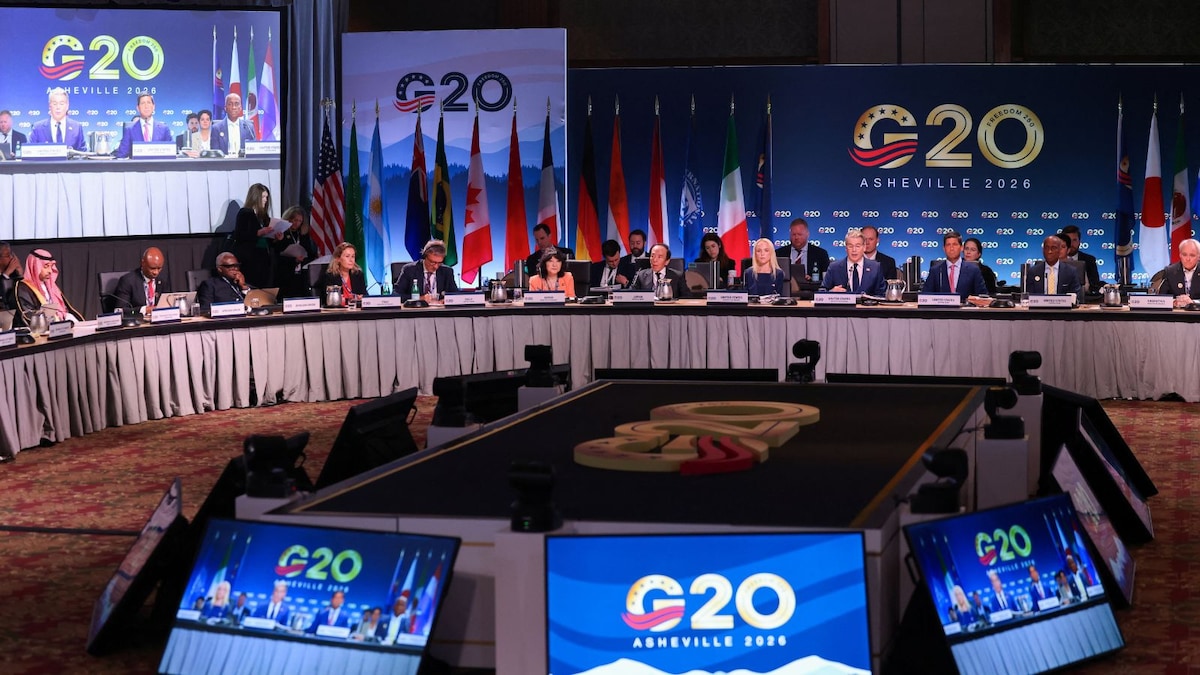
- At a G20 meeting in Asheville.
- When
- G20 deputies and technical officials have worked on the issue since April; the specific meeting date is not stated.
- Why
- To develop a common understanding of harmful imbalances and identify policies to reduce their effects on growth, workers, supply chains and financial stability.
Key facts
- Main warning
- Persistent global imbalances can hurt workers, weaken supply-chain resilience and create economic tensions.
- Policies cited
- Subsidies, restricted market access, export dependence, savings, consumption, investment and exchange-rate policies.
- Most concerning imbalances
- Those that are excessive, persistent and larger than underlying macroeconomic fundamentals justify.
- Shared responsibility
- Both surplus and deficit economies have a common interest and responsibility in addressing imbalances.
- International institutions
- The International Monetary Fund and Organisation for Economic Co-operation and Development have roles in monitoring imbalances and recommending policies.
- G20 participants
- The Group of Twenty includes major economies such as India, the United States, China, Japan, Germany and Brazil.
- Financial risks
- Bessent urged continued vigilance over possible risks to the financial sector.
Quotes

Scott Bessent
US Treasury Secretary addressing a G20 discussion on global imbalances
“Global imbalances do not arise by accident. They're cumulative, they're the cumulative result of policy choices on savings, consumption, investment, subsidies, market access, and exchange rates.”
 thehansindia.com
“That worked the strongest when these institutions remain disciplined around their mission instead of devoting disproportionate time and resources to ideological excursions.”
thehansindia.com
Sources
Related news

G20 Finance Meeting to Address Growth, Imbalances and Iran Sanctions
G20 Finance Chiefs Back Action on Trade Distortions, Except China
Bessent Urges G20 to Consider More Trade Barriers on China
Bessent Faces G20 Test Over Tariffs, Iran War, Debt
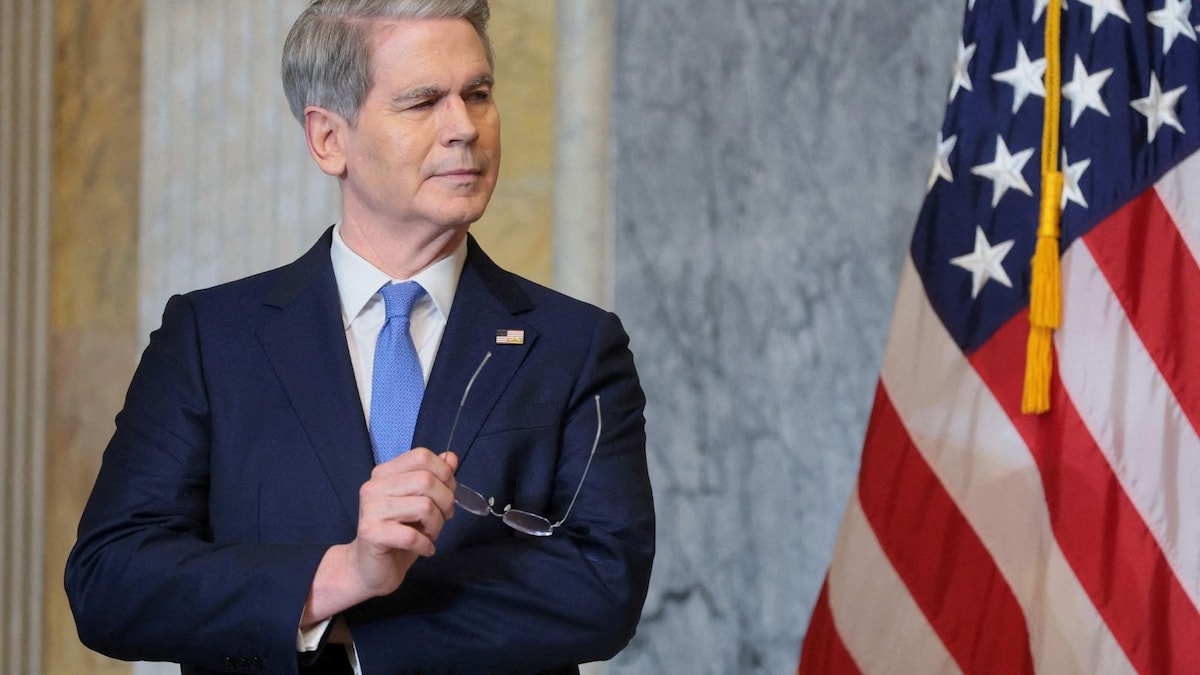
Bessent Presses G20 on China Trade and Iran Sanctions

RBI Governor Meets US Fed Chief Kevin Warsh at G20
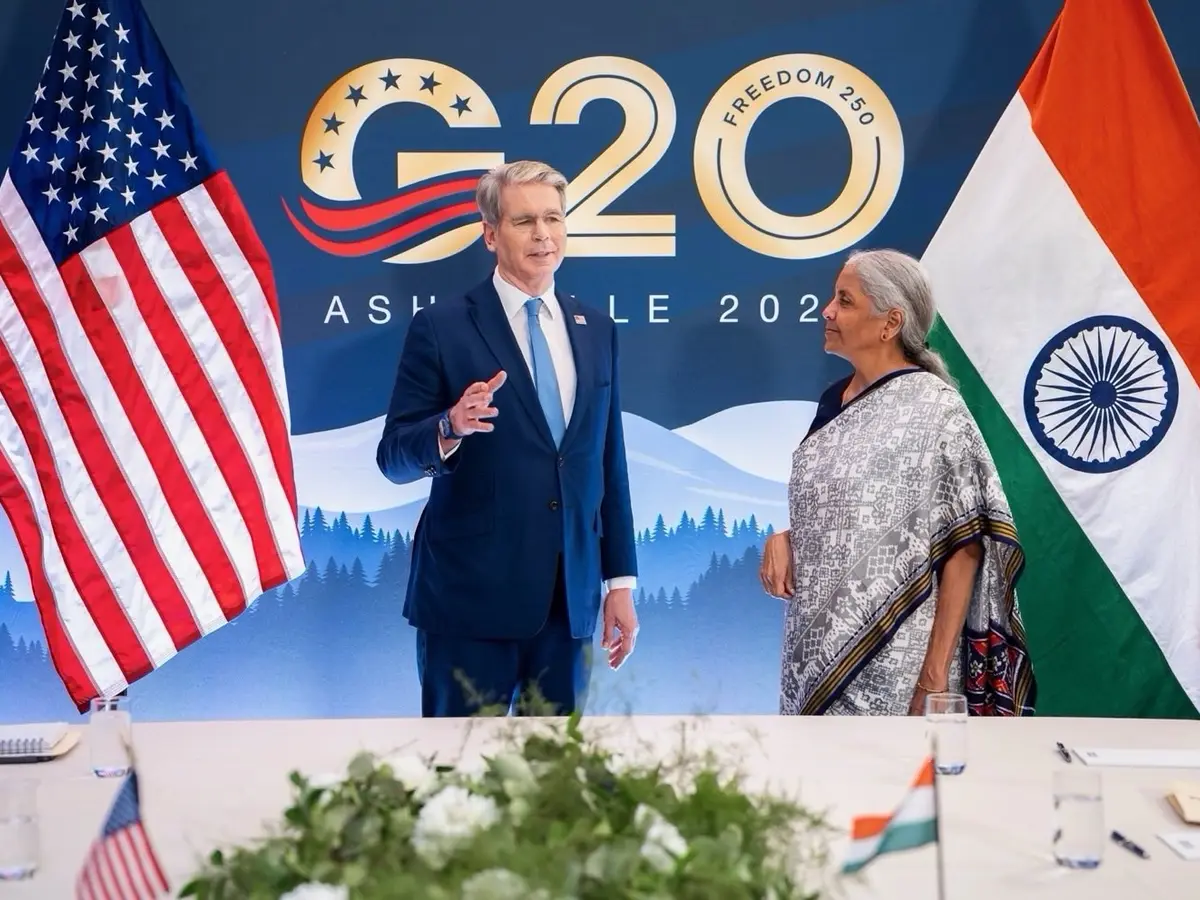
Indian Firms Invest $40 Billion in U.S., Supporting Jobs
Trump Aides Seek Quiet Iran War Before Midterm Elections
Global Bond Sell-Off Pushes Japan Yields To 30-Year High

US and China Hold Quiet Talks Over Iran Conflict