

3 weeks ago
Congress Slams Government, Alleging UPI Dilution to Favor US Firms
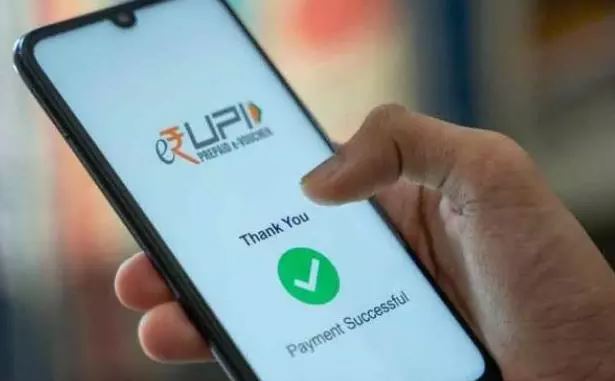
In India, many people use a free digital payment system called UPI to send money with their phones.
The government passed a new law that could change how UPI works.
Congress, one of India's main political parties, says this law could make UPI not free anymore.
If that happens, shops and customers might have to pay extra fees to use it.
Congress says ordinary people would end up paying these costs.
The government says the change is needed to keep UPI running and pay for its upkeep.
Congress thinks the real reason is pressure from the United States.
US companies like Visa and MasterCard could not compete with free UPI and RuPay in India.
The US Trade Representative wrote a report criticizing free UPI and RuPay.
Congress is asking if Prime Minister Modi changed the rules to please his friend, US President Donald Trump.

Congress attacked the Taxation and Other Laws (Amendment) Bill, 2026, saying it removes the statutory guarantee that keeps UPI transactions free.
Jairam Ramesh said the bill opens the door to Merchant Discount Rate (MDR) charges that could later expand to all payments, with costs borne by ordinary users.
Congress argued the RBI can fund the UPI ecosystem from its surplus, citing a Rs 2.86 lakh crore transfer to the government in 2025-26, and called the sustainability claim a lie.
Ramesh alleged the amendment follows the U.S. Trade Representative's 2026 report criticizing free UPI and RuPay, and asked if PM Modi is acting under pressure from President Donald Trump.
The Lok Sabha passed the bill without debate due to Opposition sloganeering; the government says it provides process certainty, attracts foreign capital, and eases foreign cloud firms' use of Indian data centres.
- Who
- Congress general secretary Jairam Ramesh leveled the accusations; Prime Minister Narendra Modi and US President Donald Trump are central to the allegations.
- What
- Congress attacked the Taxation and Other Laws (Amendment) Bill, 2026, alleging it dilutes UPI and opens India's digital payments sector to American firms by allowing MDR charges.
- Where
- New Delhi, in the Lok Sabha, the lower house of India's Parliament.
- When
- On Thursday, after the Lok Sabha passed the bill without debate; the bill replaces the June 5 ordinance.
- Why
- Congress claims the amendment follows the US Trade Representative's 2026 report criticizing free UPI and RuPay and suggests pressure from President Trump; the government says the bill provides process certainty and attracts foreign capital.
Congress (Opposition)
Modi Government
UPI fees and financial sustainability
Congress (Opposition)
The bill removes the guarantee that keeps UPI free, opens the door to MDR charges that could expand to all payments, and the cost will be borne by ordinary people. The RBI has the financial capacity to fund the UPI ecosystem from its surplus, so the 'sustainability' claim is a lie.
Modi Government
The bill is the only route to keep UPI financially sustainable, allowing the government to decide which electronic payment modes must remain free.
Motive: US pressure versus process certainty
Congress (Opposition)
The real reason is the US Trade Representative's 2026 report criticizing free UPI and RuPay; PM Modi is diluting UPI under pressure from his friend Donald Trump, who has claimed credit for pressuring India on Operation Sindoor and Russian oil imports, and for a 'grossly unfair' Indo-US trade deal.
Modi Government
The bill provides 'process certainty' to attract more foreign capital, promote domestic electronics manufacturing, and make it easier for foreign cloud companies to use Indian data centres.
Key facts
- Bill
- Taxation and Other Laws (Amendment) Bill, 2026
- Act amended
- Payment and Settlement Systems Act, 2007 (Section 10A)
- Core change
- Removes statutory zero-MDR guarantee on UPI and RuPay transactions; lets the Central government notify which payment modes stay free
- RBI surplus transfer (2025-26)
- Rs 2.86 lakh crore
- Replaces ordinance dated
- June 5
- Passage
- Lok Sabha, without debate amid Opposition sloganeering
- Government's stated goals
- Attract foreign capital, promote domestic electronics manufacturing, ease foreign cloud companies' use of Indian data centres
Quotes
Congress General Secretary Jairam Ramesh
Leader of the Indian National Congress
“Is the Prime Minister seeking to dilute UPI and open the digital payments sector to American businesses under pressure from his good friend Donald Trump?”
 deccanchronicle.com
“The Modi Government's claim that this is the only route to keep UPI financially sustainable is a lie.”
deccanchronicle.com
Sources
Related news
Parliament Passes UPI Fee Bill Amid Tax Misinformation Row
India's UPI MDR Debate Raises Questions of US Trade Pressure
Parliament clears taxation bill; Sitharaman says UPI remains free
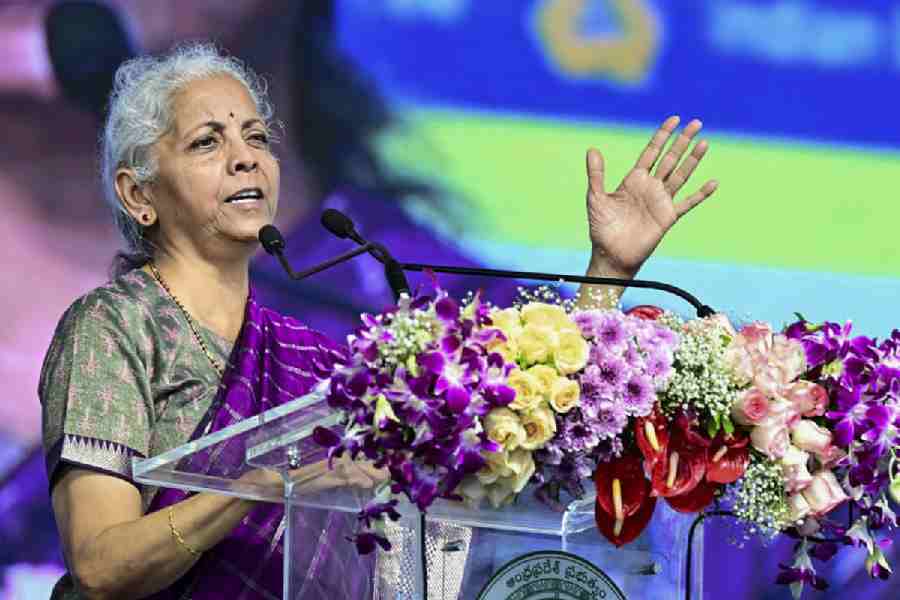
Sitharaman clarifies UPI charges apply to merchants, not customers

FM Sitharaman rejects UPI charge claims, accuses Ramesh of canard

Lok Sabha passes Bill allowing UPI charges and tax breaks
India's 7.8% GDP Growth Sparks Questions Over Economic Reality
Congress Questions Haryana’s Falling Sex Ratio Despite Beti Bachao
Three Killed, Several Injured in Rewa Bus Collision

West Bengal Plans Mega Durga Puja Show at Eden Gardens
NVIDIA CEO urges Indian startups to build local AI economy
