1 week ago
Karnataka High Court Protects Independence Day Procession Rights
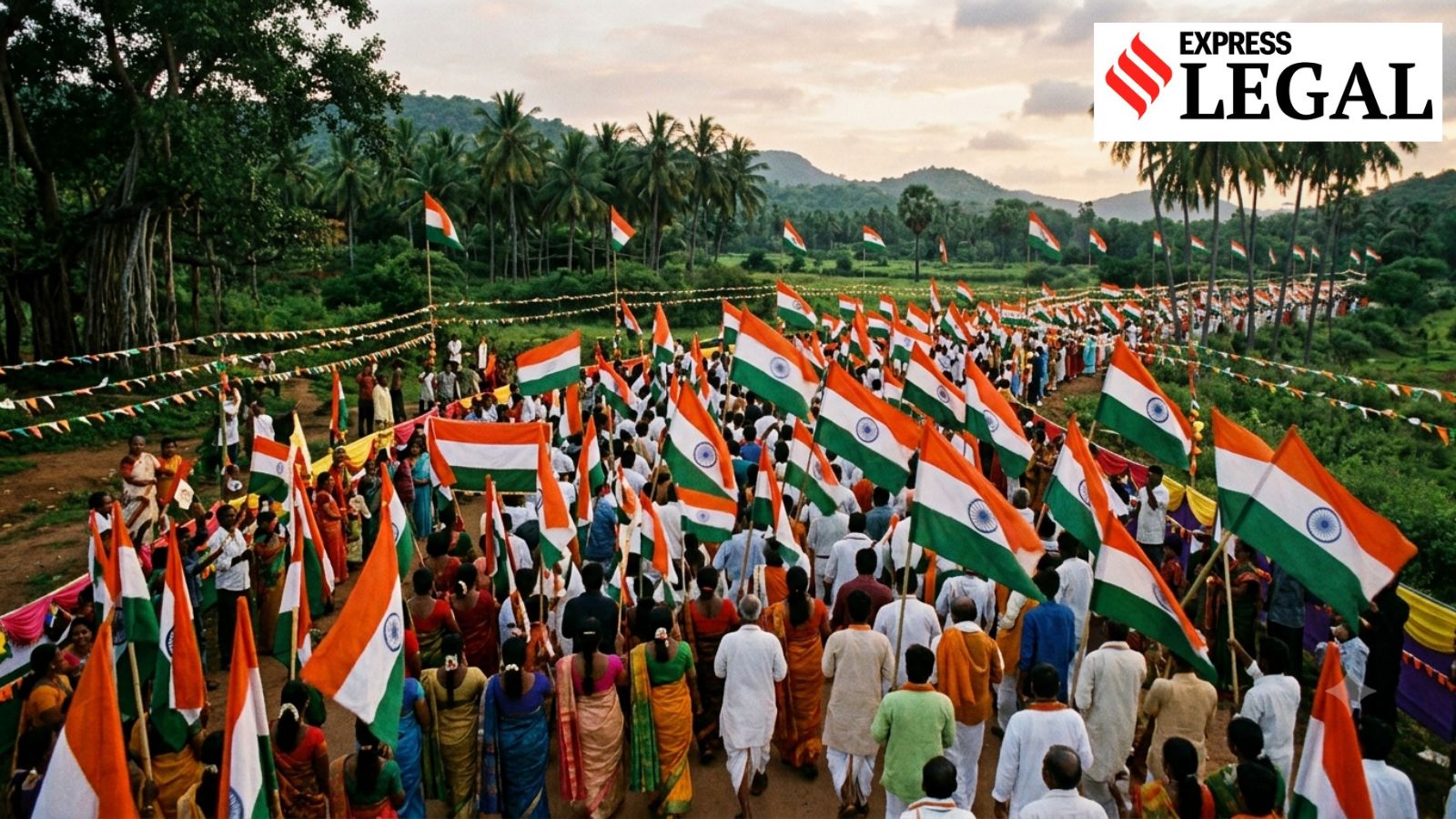
A group in Mysuru wanted to hold a march before Independence Day.
Police refused permission because they were worried about safety, traffic and possible trouble.
Some organisers also had criminal cases that were still being decided.
The High Court said having a pending case does not mean someone is guilty.
It said people cannot lose their right to celebrate a national occasion for that reason alone.
The police must show clear evidence of a real danger before stopping a procession.
The court allowed the march, while permitting police to set reasonable safety rules.
The organisers still needed separate permission for a stage programme.

The Karnataka High Court said pending criminal cases alone cannot bar people from participating in Independence Day celebrations.
The ruling concerned a proposed August 14 torchlight march by Hindu Jagrana Vedike in Mysuru.
Police had denied permission, citing possible communal tension, traffic disruption and hospitals along the route.
The court said restrictions must rely on objective material, not general or speculative apprehensions.
The court ordered permission for the procession with reasonable conditions, but not automatically for its proposed stage programme.
- Who
- The Karnataka High Court, Hindu Jagrana Vedike, its office-bearer Vasanth Kumar A Y, and Karnataka police authorities.
- What
- The court quashed the police refusal and directed authorities to permit an Independence Day-eve torchlight procession, subject to reasonable conditions.
- Where
- The procession was to travel from RMC Ganesha Temple to Dodda Gadiyara Circle in Mysuru.
- When
- The court issued its ruling on August 14; the procession was scheduled for August 14 from 5:30 pm to 7:30 pm.
- Why
- The court found that pending criminal proceedings and general concerns about communal tension or disruption were not, by themselves, sufficient grounds to deny permission.
Organisers and Court
Police and State
Pending criminal proceedings
Organisers and Court
The organisers argued that pending cases should not remove their right to participate in an Independence Day celebration, and the court agreed that accused persons are presumed innocent until found guilty.
Police and State
The state argued that cases and chargesheets involving some organisers created a risk that unlawful activities or disturbances could occur.
Communal tension and public order
Organisers and Court
The court held that linking the procession to Independence Day did not by itself establish a risk of communal tension and required clear, specific supporting material.
Police and State
Police refused permission because they apprehended communal tension and possible disruption to public peace.
Traffic and disruption
Organisers and Court
The court said an orderly, moving procession could leave space for vehicles and that temporary inconvenience alone was not enough to deny permission.
Police and State
Police cited traffic disruption and hospitals along the route as reasons for rejecting the request, while retaining authority to impose reasonable conditions.
Key facts
- Court
- Karnataka High Court, Justice Suraj Govindaraj
- Petitioners
- Hindu Jagrana Vedike, Mysuru City, and Vasanth Kumar A Y
- Procession
- An ‘Akhanda Bharatha Sankalpa Dhina’ torchlight march
- Route
- RMC Ganesha Temple to Dodda Gadiyara Circle, approximately four kilometres
- Scheduled time
- August 14, from 5:30 pm to 7:30 pm
- Expected attendance
- Around 100 participants
- Separate permission
- The ruling did not itself authorize the proposed stage programme
Quotes
Justice Suraj Govindaraj
Judge of the Karnataka High Court
“The right to participate in such a celebration is available to every citizen. That right cannot be denied only because criminal proceedings are pending against a person.”
 indianexpress.com
Sources
Related news

Karnataka HC Allows Mysuru Torchlight March on Independence Day Eve

Supreme Court Leaves CJP September 5 March To Authorities

Supreme Court Declines Ban on CJP’s September 5 Delhi March
Calcutta High Court Assigns Separate Venues to TMCP Factions
Supreme Court Declines to Halt CJP September 5 March

Karnataka Minister Priyank Kharge Reviews Security for Independence Festival
Karnataka High Court Quashes Suryanagar Phase IV Land Acquisition

Kumaraswamy Questions Kharge Over AEE Recruitment Irregularities
Court defers approver Pradosh’s statement in Renukaswamy murder case
Orissa High Court Says Brothel Customers Cannot Face Trafficking Charges
Karnataka High Court Restores Mosque Loudspeaker Licence, Faults Police Action